Farming on the Berkshire Downs and in the Kennet Valley
Agriculture remains a defining feature of West Berkshire. The district's landscape divides broadly into the free-draining chalk of the Berkshire Downs, ideal for combinable crops, and the heavier, wetter ground of the Kennet and Lambourn valleys, better suited to grassland and livestock. This contrast has produced an unusually varied farming sector for southern England, with large arable estates operating alongside grazing enterprises, dairy units, market gardens and world-renowned racehorse training establishments.
Scale varies widely. Some businesses farm several thousand acres with sophisticated machinery and grain storage, while others run intensive small-acreage operations selling directly to consumers through farm shops and box schemes. What unites the strongest operators is a willingness to treat farming as a professionally managed business, balancing agronomy, environmental stewardship, diversification income and increasingly complex regulation.
What Defines the Best Farming Companies
Reputation in local agriculture is earned through consistency across several dimensions. Agronomic performance matters, but so do soil health management, water stewardship in a chalk-stream catchment, animal welfare standards, employment practice and community relationships. Farms recognised as leaders in West Berkshire tend to combine measurable productivity with credible environmental commitments and genuine transparency about how food is produced.
Commercial resilience is the other marker. With support structures shifting towards environmental outcomes, the businesses thriving here have diversified thoughtfully, whether through contracting services, storage and haulage, renewable energy, tourism, events or direct retail. Those revenue streams smooth the volatility inherent in commodity production.
The Top 10 Best Farming Companies in West Berkshire
1. Berkshire Downs Arable Estates. A large-scale combinable crop business growing wheat, barley, oilseed rape and pulses across the chalk downland. It is respected for precision agronomy, variable-rate input management and substantial on-farm storage that allows flexible marketing of grain.
2. Kennet Valley Livestock Farms. Running beef and sheep enterprises on valley grassland and downland grazing, with an emphasis on grass-fed finishing systems and rotational grazing. Strong health planning and traceability have made it a dependable supplier to regional butchers and processors.
3. Lambourn Equestrian and Stud Farming Group. Reflecting Lambourn's status as a centre of racehorse training, this enterprise combines stud management, forage production and grassland care to exacting standards. Paddock management and bespoke haylage production are core competencies.
4. Thatcham Dairy Enterprises. A modern dairy operation focused on herd health, milk quality and efficient forage conversion. Investment in cow comfort, monitoring technology and slurry management has improved both productivity and environmental performance.
5. Hungerford Mixed Farming Company. Integrating arable rotation with livestock to build soil organic matter and reduce reliance on purchased inputs. Its rotational approach is often cited locally as a practical model of regenerative principles applied commercially.
6. Greenham Organic Growers. Certified organic vegetable and salad production supplying farm shops, box schemes and regional caterers. Careful crop planning delivers continuity of supply across a long season, which is the hardest part of organic horticulture.
7. Downland Regenerative Agriculture Co. Built explicitly around minimum tillage, cover cropping, diverse rotations and reduced synthetic inputs. It has become a reference point for growers in the district interested in soil-first management and carbon measurement.
8. West Berkshire Poultry and Egg Producers. Free-range egg and table poultry production with strong biosecurity and welfare protocols. Local supply into independent retailers and hospitality has insulated the business from some of the pressures of national contract supply.
9. Thames Valley Contract Farming Services. Providing cultivation, drilling, spraying, harvesting and baling under contract and share-farming agreements. For landowners without machinery or labour, it offers professional management while retaining farming status and flexibility.
10. Newbury Farm Shop and Direct Producers. A vertically integrated business combining production with on-site retail, butchery and hospitality. Direct sales capture far more of the retail margin and have built a loyal customer base across Newbury and surrounding villages.
Trends Shaping Agriculture in the District
Environmental land management now sits at the centre of farm business planning. Payments tied to soil health, habitat creation, hedgerow management and water quality have replaced area-based support, and farms in the chalk-stream catchments of the Kennet and Lambourn face particular scrutiny over nutrient and sediment run-off. The most successful businesses have integrated these schemes into their rotations rather than treating them as marginal add-ons.
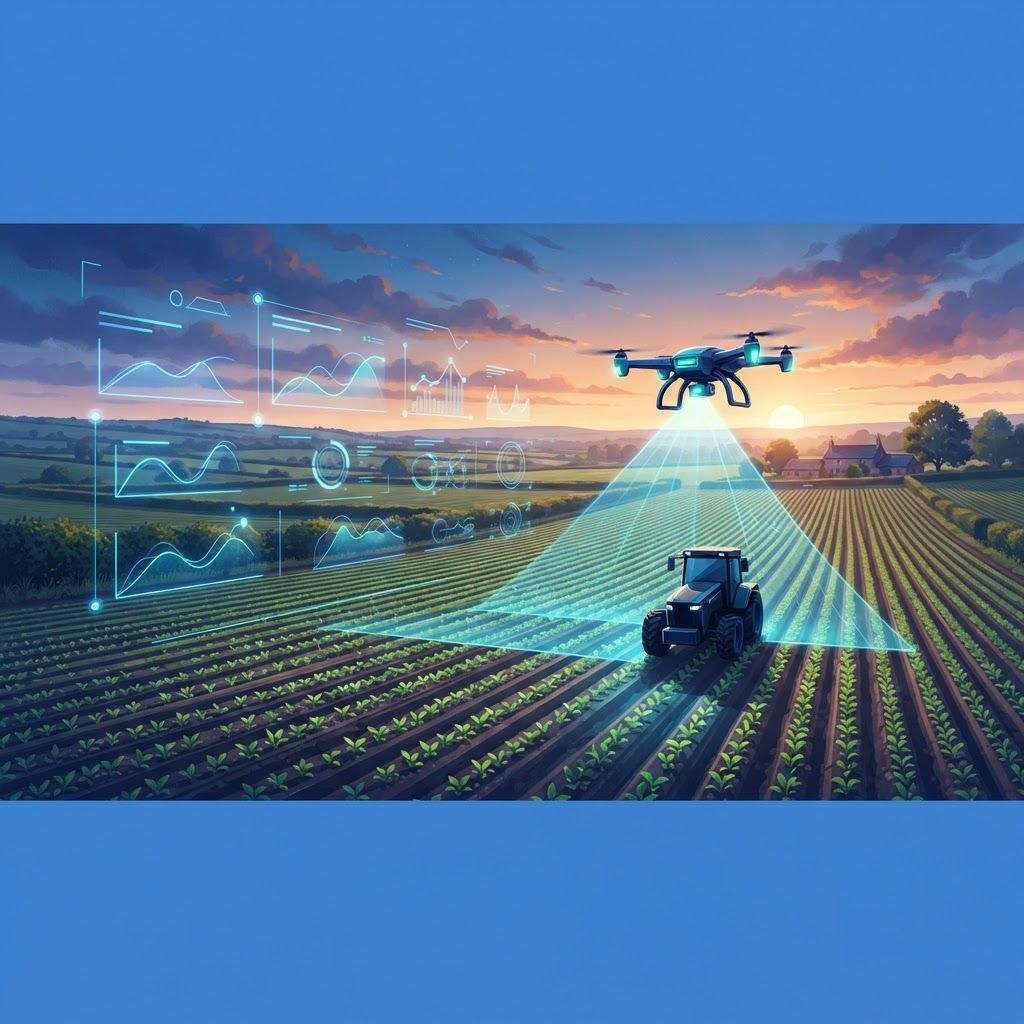
Technology adoption continues to accelerate. Satellite and drone imagery, yield mapping, variable-rate application, soil scanning and livestock monitoring collars are increasingly commonplace. The gain is not simply higher output but reduced input waste, which improves both margin and environmental outcomes simultaneously.
Labour availability and succession remain persistent structural challenges. Skilled staff are difficult to recruit, particularly for livestock and horticultural work, prompting investment in automation and in better employment terms. Meanwhile, an ageing farmer demographic is driving more contract farming, joint ventures and share-farming arrangements as a route to orderly transition.
Working With Local Farming Businesses
For buyers, caterers and retailers, sourcing from West Berkshire farms offers traceability and freshness that distant supply chains cannot match, but it requires realistic planning. Seasonality, weather-driven variability and finite volumes need to be accommodated in menus and ranges. Farms that communicate their cropping and finishing calendars in advance make excellent long-term partners.
For landowners, the choice between farming in hand, letting land, or entering a contract or share arrangement depends on appetite for risk, capital availability and tax position. Independent professional advice is essential, as is careful documentation of environmental scheme obligations that may outlast any single agreement.
Ultimately, the farming companies that stand out in West Berkshire are those managing land for the long term. They combine commercial discipline with genuine stewardship of soil, water and habitat, and in doing so they secure both the productivity of their own businesses and the character of the countryside that makes the district distinctive.
Want your brand featured in front of decision-makers? Publish a guest post or get a link insertion in our guides through AAMAX's guest post and link insertion service.
Helpful Links
 SponsoredAAMAX — Full-Service Digital Agency
Write for Us
Share your expertise with our readers. We welcome guest contributions from industry specialists.
Pitch your idea