A Distinctive Island Aesthetic
Home decor on the Isle of Wight has a recognisable character. It draws on the sea, the chalk cliffs, the sailing heritage of Cowes and the rural landscape of the west wight, producing interiors that favour natural light, layered textures, soft muted palettes and handmade objects over mass-produced uniformity. That aesthetic is not accidental. The island supports an unusually dense community of artists, ceramicists, textile makers, furniture builders and glass artists, many of whom sell through independent galleries and interiors shops rather than national retail chains.
The result is a decor market where the strongest brands are often small studios and family-run retailers. For residents and second-home owners furnishing coastal cottages, converted barns, beach huts and contemporary new builds, these makers offer something that a mainland catalogue cannot: pieces genuinely rooted in place.
Categories of Home Decor Brands on the Island
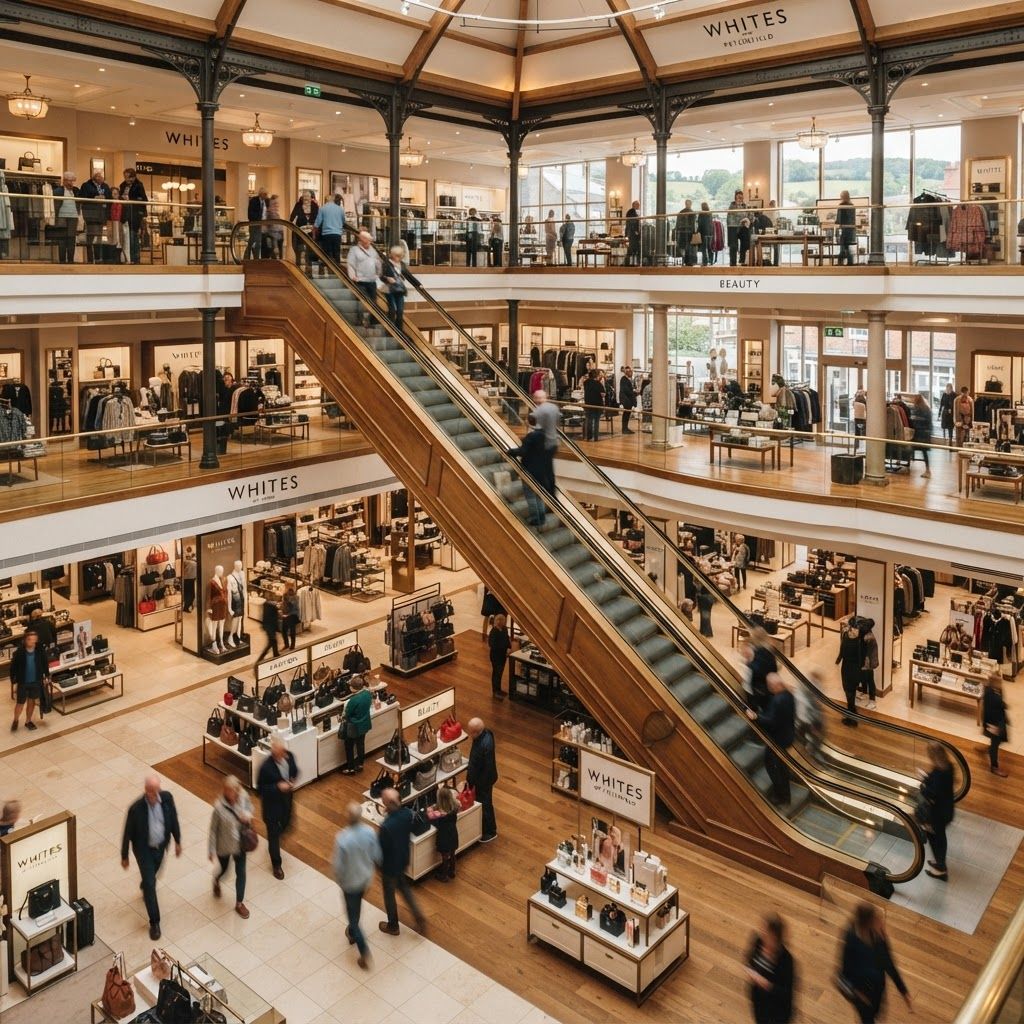
Independent interiors and lifestyle stores form the backbone of the sector. Typically located in Cowes, Yarmouth, Newport, Ryde and Bembridge, these shops curate furniture, lighting, cushions, throws, tableware, candles and accessories, mixing island makers with carefully chosen British and European brands. Their value lies in editing: a well-curated shop saves customers hours of browsing and produces more coherent interiors.
Ceramic and pottery studios are particularly strong on the island, producing tableware, vases, lamp bases and decorative pieces often glazed in sea-inspired blues, sand tones and stoneware neutrals. Many operate open studios where customers can commission bespoke sets.
Textile and soft furnishing makers create cushions, throws, blinds, upholstery and wall hangings, frequently using coastal motifs, botanical prints drawn from island flora, and natural fibres such as linen, wool and hemp.
Bespoke furniture workshops and joinery businesses build kitchens, dining tables, shelving, window seats and storage tailored to the awkward dimensions of period island properties. Reclaimed timber, including old boat and dock timber, features regularly and carries real narrative appeal.
Art, print and photography studios supply framed works, limited edition prints and photographic pieces capturing the Needles, Tennyson Down, the Solent and island wildlife, which are among the most popular decorative purchases for both homes and holiday accommodation.
Vintage, antique and reclamation dealers occupy an important niche, supplying period fireplaces, doors, lighting and furniture that suit the island's older housing stock far better than modern reproductions.
What Defines a Strong Home Decor Brand
Quality of materials is the first marker. Solid timber rather than veneered board, natural fibre textiles, lead-free glazes and durable finishes all indicate products designed to last rather than to photograph well.
Provenance and transparency matter increasingly. Buyers want to know who made an item, where the materials came from and how it was produced. Island makers who are open about their process command loyalty and justify premium pricing.
Consistency and service complete the picture. Reliable lead times on commissions, clear delivery arrangements, repair and restoration support, and interior consultation services distinguish established brands from hobby operations.
Design Trends in Island Interiors
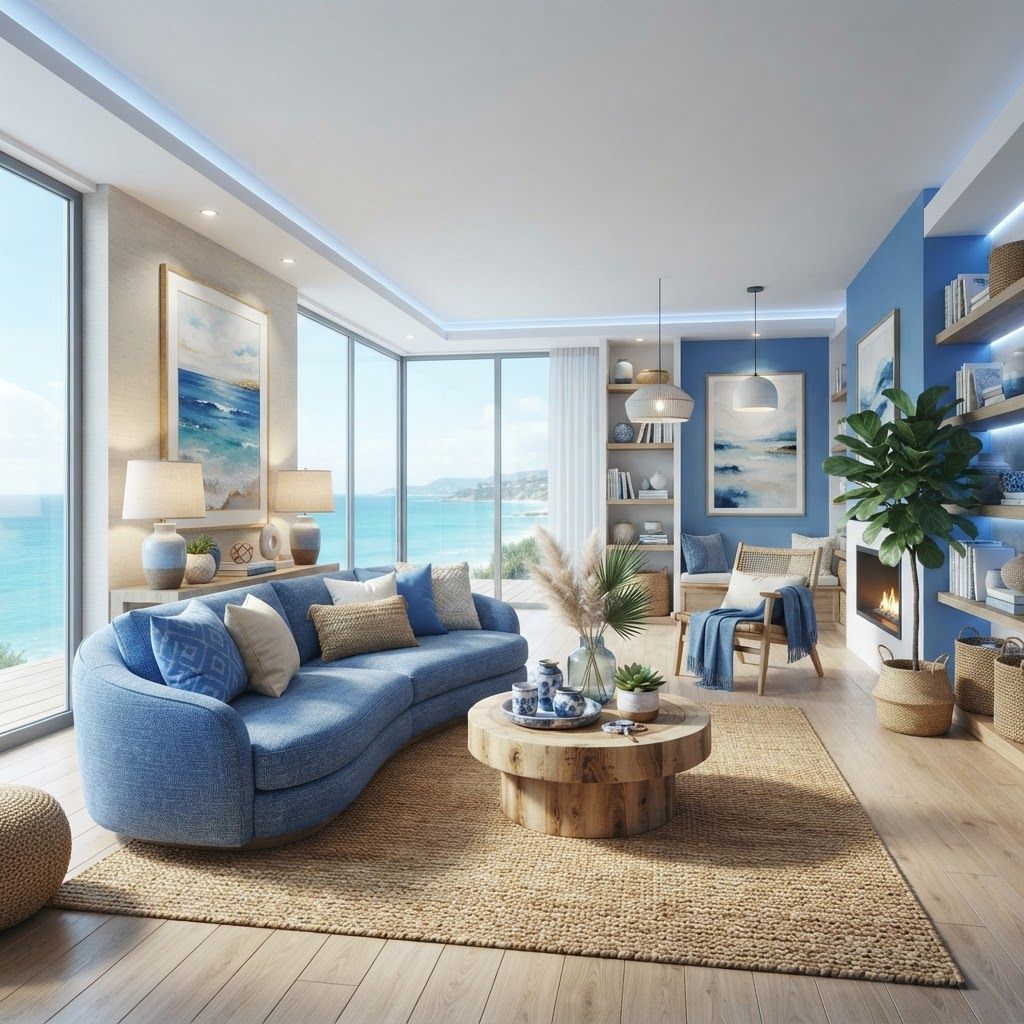
Coastal design has matured well beyond nautical cliches. Rope, anchors and stripes have given way to a subtler palette of chalk whites, sea greens, weathered greys, soft ochres and deep navy accents, combined with natural textures such as rattan, jute, linen and oak.
Sustainability is a defining trend. Reclaimed and recycled materials, refinished vintage furniture, natural paints with low volatile organic compound content, and locally made goods with short supply chains all reflect the environmental consciousness associated with the island's Biosphere status.
Biophilic design, meaning the deliberate integration of plants, natural light and organic forms, suits island homes particularly well, as does the continued popularity of garden rooms and conservatories used as year-round living space.
Finally, there is strong demand for decor that photographs well for holiday-let listings. Owners increasingly invest in distinctive statement pieces, quality bedding and coherent styling because visual appeal directly affects booking performance in a competitive accommodation market.
Practical Buying Advice
Start with the architecture. Low ceilings, small windows and thick walls in older island cottages reward light colours, mirrors and slim-profile furniture, while modern coastal builds with large glazing can carry darker tones and bolder pieces.
Consider environmental durability. Salt air and humidity affect untreated metals and certain finishes, so look for marine-grade or properly protected hardware for anything near open windows or outdoor areas. Natural fibres cope well with humidity but benefit from good ventilation.
Buy fewer, better pieces. A single commissioned dining table or a handmade light fitting will define a room more effectively than many inexpensive accessories. Commissioning also allows exact sizing, which is often the only practical solution in irregular period spaces.
Where possible, visit studios and shops in person. Colour, weight and texture are difficult to judge online, and island makers are generally happy to discuss customisation, which rarely costs as much as buyers expect.
Supporting the Local Creative Economy
Buying from island decor brands has a measurable community effect. It sustains studio spaces, supports craft training, and keeps traditional skills such as upholstery, joinery and ceramics viable. Open studio events and seasonal craft markets across the island provide direct access to makers and often reveal emerging brands before they reach retail.
Final Thoughts
The best home decor brands in the Isle of Wight succeed by pairing genuine craftsmanship with a clear sense of place. Whether furnishing a permanent home, a renovation project or a holiday let, choosing island makers and well-curated independent retailers produces interiors with character, durability and a story that mass-market furnishing simply cannot replicate.
Want your brand featured in front of decision-makers? Publish a guest post or get a link insertion in our guides through AAMAX's guest post and link insertion service.
Helpful Links
 SponsoredAAMAX — Full-Service Digital Agency
Write for Us
Share your expertise with our readers. We welcome guest contributions from industry specialists.
Pitch your idea