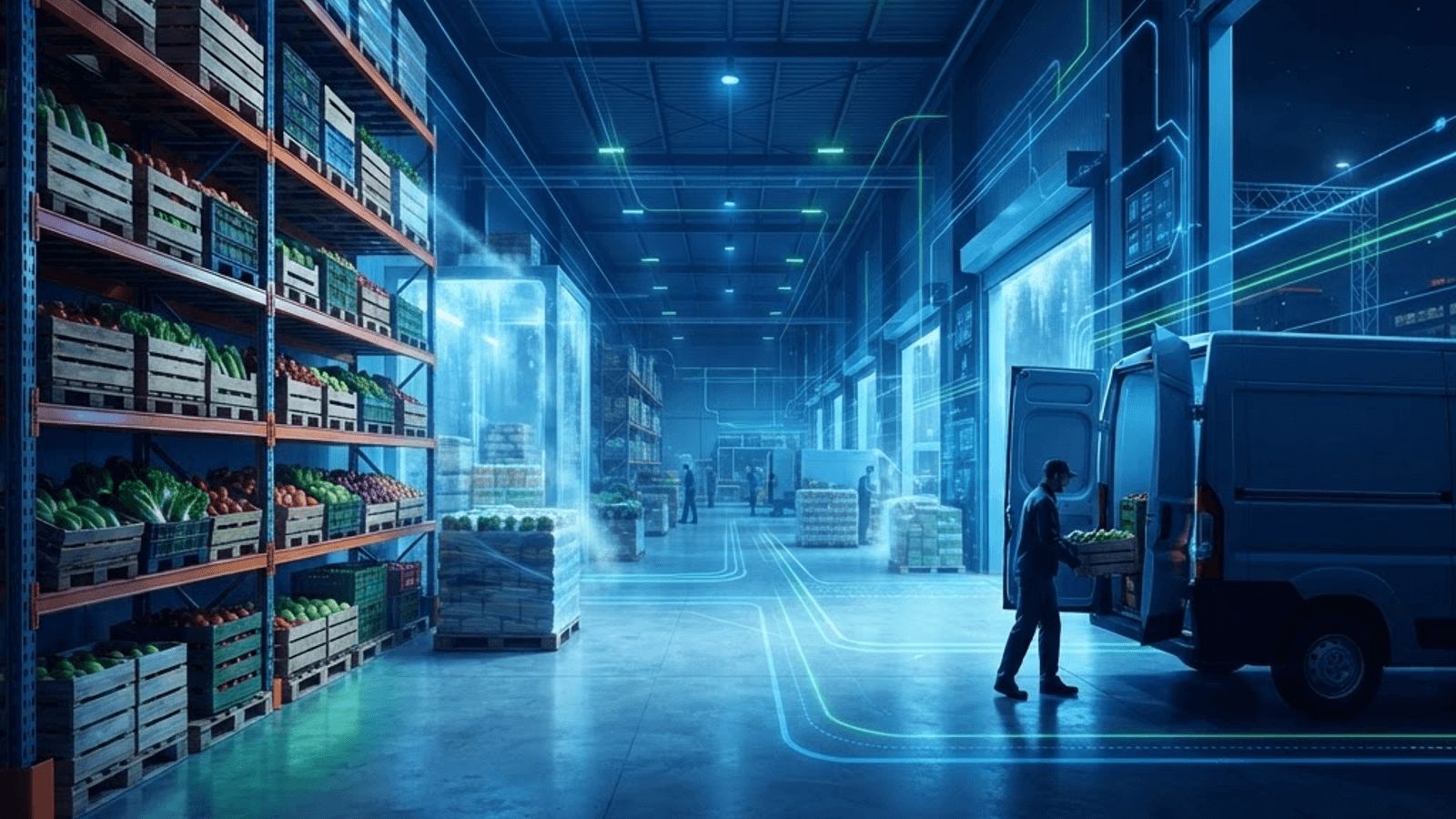
Delivery in a Dense, Demanding Borough
Kensington and Chelsea is close to an ideal delivery market. It is compact, densely populated, affluent and ringed by an extraordinary concentration of restaurants. Journey distances are short, which keeps food hot and courier economics viable. The consequence is that residents here have access to a wider and higher-quality delivery selection than almost anywhere else in the country.
That abundance brings its own problem: choosing between platforms. The major aggregators compete on breadth, but specialist services often win on quality, dietary precision or cost per meal. Understanding what each type is optimised for saves both money and disappointment.
Ten Platforms and What They Do Best
1. Deliveroo. The strongest general-purpose option across the borough, with deep restaurant coverage including many higher-end kitchens. Its editions model, using dedicated delivery-only kitchens, extends the range of cuisines available even in quieter hours. Reliable tracking and good customer service resolution.
2. Uber Eats. Comparable breadth with particularly strong late-night and convenience-store coverage. Frequently competitive on promotional pricing, and the integration with ride-hailing accounts makes checkout simple for existing users.
3. Just Eat. Historically stronger on independent takeaways than on premium restaurants, which makes it valuable for traditional categories such as pizza, kebabs, Indian and Chinese food. Often the only platform carrying long-established neighbourhood establishments.
4. Gousto. A recipe-box service rather than hot delivery, shipping pre-portioned ingredients with instructions. Strong for households wanting to cook more without meal planning, and notably good at reducing food waste through exact portioning.
5. HelloFresh. The other major recipe-box operator, with a broader weekly menu and flexible plan sizes. Suits families and couples who want structured variety, with options spanning quick meals, vegetarian plans and calorie-controlled choices.
6. Mindful Chef. A health-focused recipe box emphasising lower-carbohydrate, gluten-free and high-protein meals with clearly stated nutritional information. Popular in a borough with high engagement in fitness and nutrition.
7. Ocado. Primarily a grocery service, but its scheduled delivery, extensive chilled range and prepared-meal selection make it a practical alternative to restaurant delivery for planned eating. Strong on specialist and international ingredients.
8. Getir-style rapid grocery services. Ultra-fast convenience delivery covering snacks, drinks, dairy and household basics in very short windows. Best used as a top-up service rather than a full shop, since unit prices are higher.
9. Supper London. A premium restaurant delivery service focused on high-end kitchens, using insulated transport and trained drivers to preserve presentation. Considerably more expensive, but the only realistic way to get certain restaurants delivered intact.
10. Direct restaurant ordering platforms. Many independent restaurants in Chelsea and Notting Hill now run their own ordering systems. Prices are usually lower than on aggregators because commission is avoided, and loyalty rewards tend to be more generous.
Comparing Cost Structures
Delivery pricing has four components: menu markup, delivery fee, service fee and optional tip. Aggregators often inflate menu prices relative to dine-in to offset commission, so a meal can cost noticeably more than the restaurant's own price even before fees. Ordering directly from the restaurant frequently saves ten to twenty percent.
Subscription schemes change the maths considerably. If you order more than a few times a month, a delivery subscription that waives per-order fees usually pays for itself. If you order occasionally, subscriptions rarely make sense and promotional codes are the better lever.
Recipe boxes should be compared on cost per portion rather than headline weekly price, and against the realistic alternative. Compared with restaurant delivery they are dramatically cheaper; compared with supermarket shopping and cooking from scratch they are usually more expensive, with convenience as the trade-off.
Reliability and Food Quality
Short distances in the borough mean most deliveries arrive quickly, but certain food types travel badly regardless. Fried items lose crispness in sealed containers, delicate pasta overcooks in residual heat and composed plates rarely survive transit. Dishes designed for delivery, such as curries, stews, pizzas built for reheating and bowl foods, hold up far better.
Building access is a real factor here. Mansion blocks, gated developments and buildings with concierge desks can add several minutes. Clear delivery notes with entrance details, buzzer numbers and any porter instructions materially improve outcomes and reduce cold arrivals.
Peak timing matters too. Friday and Saturday evenings between seven and nine are the busiest windows across every platform. Ordering slightly earlier or later reduces wait times and improves the chance that the restaurant's kitchen is not overwhelmed.
Trends Shaping the Market
Delivery-only kitchens have expanded the range of available cuisines without requiring physical restaurant space, though quality varies widely and brand names can be misleading. Checking reviews for the specific kitchen rather than the brand is worthwhile.
Sustainability is an increasing focus, with more platforms offering cutlery opt-out by default, recyclable packaging and bicycle-first delivery in dense areas like this borough. Some services now display emissions estimates per order.
Dietary filtering has improved substantially. Allergen information, calorie labelling and vegan filters are now standard on the major platforms, though anyone with a serious allergy should still confirm directly with the restaurant rather than relying on app metadata alone.
Getting Better Value
Compare the same restaurant across two platforms and its own site before ordering, since prices frequently differ. Use scheduled ordering for planned meals, which often avoids surge pricing. Order for the household rather than individually, because fees are per order rather than per person.
For regular weekday eating, a recipe box or grocery delivery almost always beats restaurant delivery on both cost and nutrition. Reserve restaurant delivery for occasions when you genuinely want a specific kitchen's cooking.
With sensible platform selection, residents of Kensington and Chelsea can access an exceptional range of food without overpaying. The key is matching the service to the occasion rather than defaulting to a single app for everything.
Want your brand featured in front of decision-makers? Publish a guest post or get a link insertion in our guides through AAMAX's guest post and link insertion service.
Helpful Links
 SponsoredAAMAX — Full-Service Digital Agency
Write for Us
Share your expertise with our readers. We welcome guest contributions from industry specialists.
Pitch your idea