How Delivery Changed Eating in the Borough
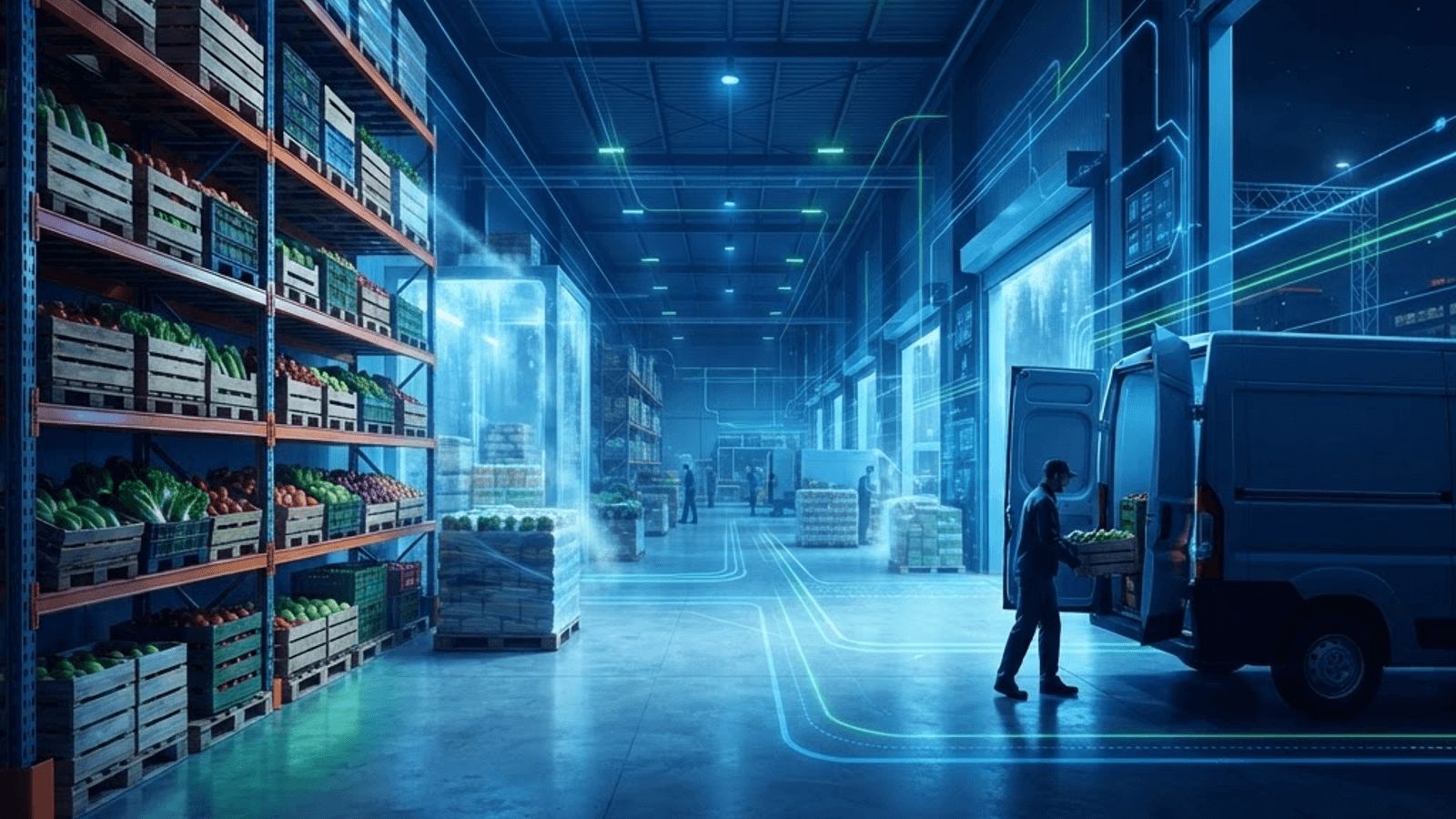
A decade ago, food delivery in East Staffordshire meant telephoning the local takeaway and waiting for a driver who may or may not find your address. Today an extensive network of apps covers the borough, offering restaurant meals, groceries, convenience items and specialist food with live tracking and cashless payment. The change has been particularly significant in Burton upon Trent, where population density supports rapid delivery, though coverage in outlying villages remains patchier than town centre residents sometimes assume.
The market divides into several categories. National aggregator platforms carry the widest restaurant selection. Grocery delivery services handle weekly shops and rapid convenience orders. Independent local services operate in areas the big platforms underserve. Meal kit companies deliver ingredients and recipes rather than finished food. Each suits different needs and costs.
The Top 10 Food Delivery Services
1. Trent Eats. A locally operated delivery platform focused specifically on East Staffordshire, Trent Eats carries independent restaurants and takeaways that national platforms often overlook. Their commission rates are lower, which local restaurateurs appreciate, and their drivers know the area's lanes and estates far better than app navigation alone manages.
2. Burton Quick Delivery. A rapid convenience service covering Burton upon Trent and immediate surroundings, delivering groceries, household essentials and late-night food within short time windows. Their value is speed and availability rather than breadth of restaurant choice.
3. Staffordshire Food Runner. An independent courier service that will collect from almost any restaurant, including establishments not listed on any platform. Customers pay a delivery fee rather than inflated menu prices, which frequently works out cheaper for larger orders.
4. Dove Valley Farm Boxes. A produce delivery service supplying fruit, vegetable and meat boxes directly from farms across the Dove Valley. Weekly subscriptions with seasonal contents have proved popular with households wanting to reduce supermarket dependence and food miles.
5. Uttoxeter Local Eats. Serving Uttoxeter and the surrounding villages, this service concentrates on an area where national platform coverage thins considerably. For rural customers it is often the only realistic delivery option beyond the restaurant's own driver.
6. Needwood Meal Kits. A recipe box service delivering pre-portioned ingredients with instructions, aimed at households that want to cook but not plan or shop. Portion accuracy reduces food waste substantially compared with buying full packs for a single recipe.
7. Stapenhill Grocery Direct. A full grocery delivery operation offering scheduled slots, substitution preferences and bulk ordering. Families and less mobile customers rely on it for the weekly shop rather than impulse ordering.
8. Rolleston Artisan Delivery. A curated service delivering from local bakeries, butchers, delicatessens and farm shops in a single order. It fills a genuine gap for customers who want independent quality produce without visiting five separate shops.
9. Marchington Catering Delivery. Focused on group and office orders, this service handles buffet platters, meeting lunches and large family orders with advance booking and scheduled delivery. It suits workplaces and events rather than individual meals.
10. Barton Late Night Eats. Covering the hours when most services have closed, Barton Late Night Eats serves shift workers, hospitality staff and night-time customers with a limited but dependable roster of open kitchens.
Understanding the Real Cost
The advertised price of a delivered meal rarely reflects what appears on the final bill. Most platforms apply several layers of charge: menu prices that may be marked up above in-restaurant prices, a delivery fee, a service fee calculated as a percentage of the order, a small order surcharge below a threshold, and optional driver tips. Surge pricing during peak periods adds more.
Restaurants face their own pressures. Commission on aggregator platforms commonly consumes a substantial share of the order value, which explains why many independents either raise delivery menu prices or encourage direct ordering. Customers who order directly from a restaurant's own system frequently pay less while the restaurant keeps more, a rare arrangement where both parties benefit.
Coverage and Rural Realities
Delivery coverage in East Staffordshire is uneven. Burton upon Trent enjoys strong choice and short delivery times. Uttoxeter has reasonable coverage with fewer options. Villages across Needwood, the Dove Valley and the borough's rural edges may have limited or no service from national platforms, since journey times make individual deliveries uneconomic.
Local operators have filled much of this gap, sometimes using scheduled rounds rather than on-demand delivery. Rural customers often find that ordering at a fixed time with a village-serving operator is more reliable than waiting for an app to find an available driver.
Trends in Food Delivery
Grocery and convenience delivery has grown faster than restaurant delivery, with rapid-fulfilment services expanding the category well beyond takeaway meals.
Sustainability pressure is mounting. Packaging waste from delivery is significant, and platforms have begun offering cutlery opt-outs, recyclable containers and consolidated deliveries to reduce both waste and vehicle journeys.
Direct ordering is quietly resurgent. Many independent restaurants now run their own ordering systems and promote them actively, offering loyalty discounts to bypass platform commission.
Subscription models offering free delivery for a monthly fee have become widespread, and they genuinely save money for frequent users while costing occasional users more than they realise.
Ordering More Sensibly
Compare the total cost across services rather than the headline menu price, and check whether the restaurant offers direct ordering before defaulting to an app. For groups, consolidating into one larger order almost always reduces per-person fees.
Order outside peak windows where possible. Friday and Saturday evenings bring longer waits, higher fees and more errors. Ordering slightly earlier improves both cost and food quality on arrival.
Provide clear delivery instructions, particularly in rural areas and on newer estates where mapping data is unreliable. Finally, be realistic about what travels well: fried food, delicate salads and anything relying on crisp texture suffers more in transit than curries, stews and pizza.
Final Thoughts
Food delivery in East Staffordshire now offers genuine choice across restaurant meals, groceries, farm produce and artisan goods. The ten services here cover urban convenience, rural access, late-night provision and specialist delivery. Ordering thoughtfully, and favouring local operators and direct ordering where practical, keeps more value with the businesses actually preparing your food.
Want your brand featured in front of decision-makers? Publish a guest post or get a link insertion in our guides through AAMAX's guest post and link insertion service.
Helpful Links
 SponsoredAAMAX — Full-Service Digital Agency
Write for Us
Share your expertise with our readers. We welcome guest contributions from industry specialists.
Pitch your idea