Car Culture in South Norfolk
Hampton Roads has a deep and varied automotive culture, and South Norfolk sits in the middle of it. The military community brings enthusiasts from across the country, each carrying regional preferences from lifted trucks to import tuning. The maritime and construction workforce needs functional modifications for work and towing. Nearby beaches and rural backroads support off-road and overland builds. And a strong classic car scene sustains restoration and restomod work on vehicles decades old.
That diversity means customization here is rarely one thing. A good shop understands the difference between a show build judged on finish, a track car judged on lap time, an overland rig judged on reliability far from pavement and a work truck judged on payload and durability.
Planning a Build Before You Start
The most expensive customization mistake is proceeding without a plan. Define the vehicle's primary purpose honestly, set a total budget including labor and unexpected discoveries, and sequence work so that early modifications do not have to be undone later. Suspension geometry, for example, should be settled before wheels and tires are purchased. Power increases should be matched with braking, cooling and drivetrain capacity. And every modification should be checked against Virginia inspection requirements and insurance implications before money is spent.
1. Full-Service Custom Fabrication Shops
Fabrication shops handle work that cannot be bought from a catalog: custom roll cages, one-off exhaust routing, chassis reinforcement, bumper and rack fabrication, sheet metal repair and body modification. Their capabilities rest on welding certification, tube bending and metal forming equipment, and design experience. For unique projects, heavily modified builds and anything structural, a shop with genuine fabrication skill is essential. Portfolio review and weld quality inspection are the best indicators of competence.
2. Performance Tuning and Engine Shops
Performance specialists focus on power output and drivability through engine management calibration, forced induction installation, intake and exhaust optimization, camshaft and cylinder head work and supporting fuel system upgrades. The best shops operate a chassis dynamometer, which allows tuning under measurable load rather than by guesswork, and provide before-and-after data. Reputable tuners also insist on supporting modifications such as improved cooling and stronger clutches before adding significant power, because a build that fails is not a fast build.
3. Suspension and Lift Kit Installers
Suspension work covers both directions. Lift installations on trucks and sport utility vehicles for off-road capability and larger tires require attention to steering geometry, driveline angles, brake line length and alignment specification. Lowering springs and coilovers on cars demand corner balancing and alignment tuned to intended use. Air suspension adds complexity with compressors, tanks and management systems. Given local road quality and the region's mix of highway commuting and off-road recreation, matching spring rate and damping to real use matters more than ride height alone.
4. Vinyl Wrap and Paint Protection Shops
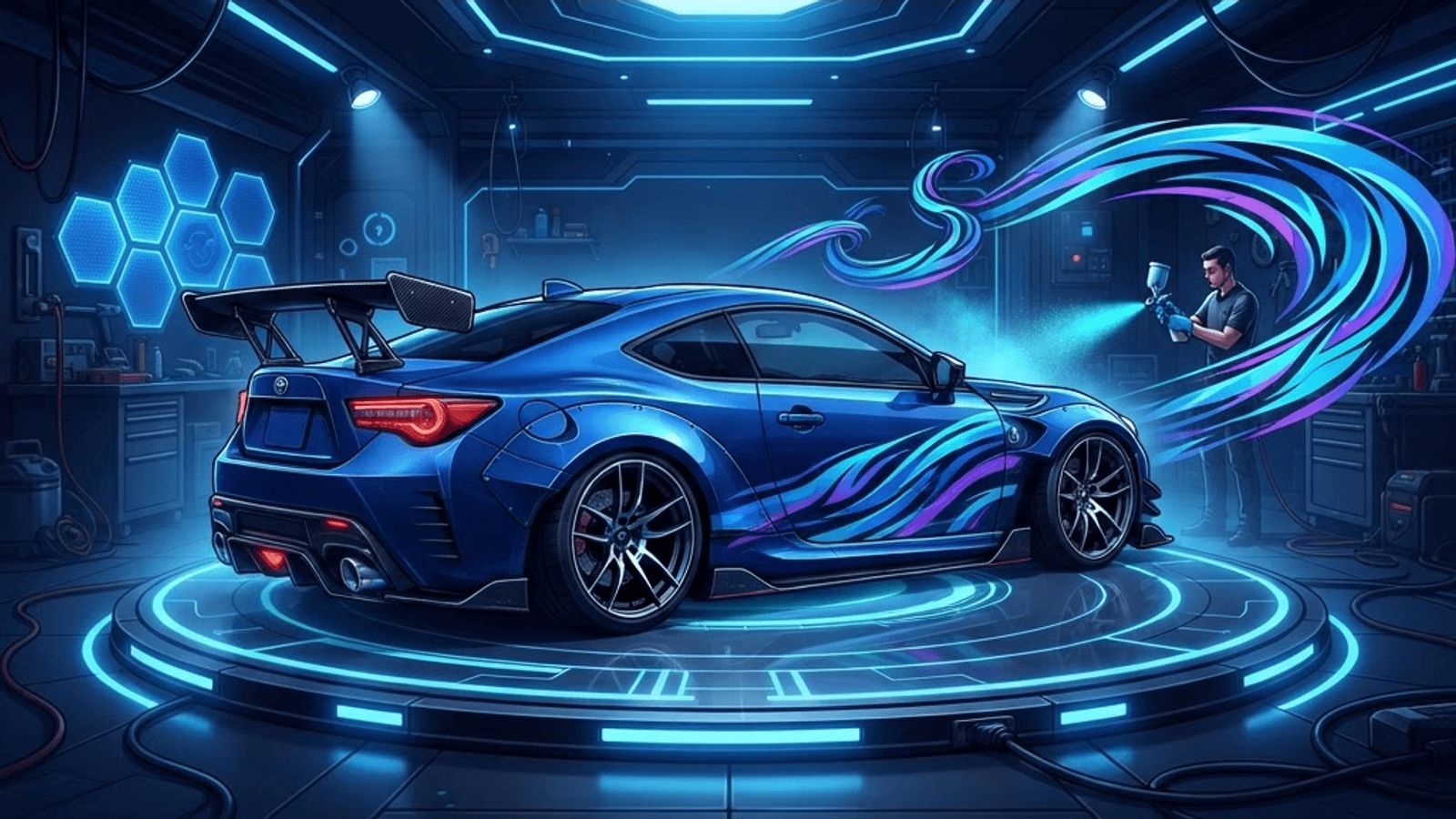
Vinyl wrapping has largely displaced repainting for color changes because it is reversible, protects original paint and costs less than quality paint work. Shops apply full color changes, chrome deletes, roof and accent wraps, and commercial fleet graphics. Paint protection film installation, often on the front clip and high-impact areas, guards against stone chips. Quality depends almost entirely on installer skill: proper panel disassembly, seamless edge wrapping and clean relief cuts distinguish professional work from wrap that lifts within months in coastal humidity.
5. Custom Audio and Electronics Installers
Audio and electronics shops handle amplifier and speaker installation, subwoofer enclosure fabrication, sound deadening, head unit upgrades with modern connectivity, backup and dash cameras, remote start and security systems, and lighting upgrades. Modern vehicles complicate this work considerably, since factory systems integrate with vehicle networks and steering wheel controls. Skilled installers use proper interface modules rather than cutting factory harnesses, which preserves resale value and prevents electrical faults.
6. Wheel and Tire Specialists
Wheel and tire selection affects appearance, handling, ride quality and speedometer accuracy simultaneously. Specialists advise on diameter, width, offset and backspacing to ensure proper clearance, then handle mounting with touchless equipment that protects finishes, road force balancing for smoothness and torque specification. In coastal Virginia, wheel finish durability matters: salt air pits inexpensive finishes quickly, so quality coatings and regular cleaning are worth prioritizing.
7. Off-Road and Overland Outfitters
Off-road outfitters build vehicles for the sandy backroads, forest tracks and beach access areas found throughout coastal Virginia and North Carolina. Typical work includes armor and skid plates, winch and recovery point installation, auxiliary lighting, roof racks and rooftop tents, dual battery systems, air compressors and long-range fuel or water storage. The distinguishing feature of good overland work is reliability engineering, since a failure fifty miles from pavement is a serious problem rather than an inconvenience.
8. Classic Car Restoration Shops
Restoration shops return older vehicles to original condition or build restomods that combine vintage appearance with modern drivetrains, brakes, suspension and climate control. Work spans metal fabrication and rust repair, which is extensive on coastal vehicles, media blasting, panel alignment, period-correct paint, upholstery and trim restoration and mechanical rebuilding. Projects run long and costs accumulate, so clear written scope, documented milestones and regular photographic updates protect both parties.
9. Truck Accessory and Upfitting Shops
Given the region's construction, marine service and logistics activity, upfitters serve a large commercial and personal truck market. Work includes bed liners and covers, tonneau systems, service bodies, ladder and pipe racks, gooseneck and fifth wheel hitch installation, brake controllers, toolboxes, auxiliary lighting and lift gates. For business vehicles, upfitters also handle weight distribution planning and commercial regulatory compliance, which general customization shops typically do not address.
10. Interior Customization and Upholstery Shops
Interior specialists reupholster seats in leather or performance materials, fabricate custom door panels and consoles, install racing seats and harnesses with proper mounting, wrap trim in alternative materials, replace headliners and carpet and repair sun-damaged dashboards. In a humid coastal climate, upholstery choice matters practically: breathable and moisture-resistant materials outlast cheaper vinyl substantially, and proper sealing prevents mildew in seat foam.
Legal and Insurance Considerations in Virginia
Virginia maintains an annual safety inspection program, and modifications must comply. Attention areas include maximum bumper and headlight heights, window tint limits with specific visible light transmission thresholds, exhaust noise and emissions equipment requirements, tire coverage by fenders, lighting color and placement restrictions, and suspension modification limits. Shops that work in the state routinely should know these rules; ask directly whether a proposed modification will pass inspection.
Insurance deserves equal attention. Standard policies typically cover only factory equipment, meaning thousands of dollars in aftermarket parts could go uncompensated after a loss. Custom parts coverage endorsements or agreed-value policies for specialty vehicles solve this. Notify the insurer of significant performance modifications, since undisclosed changes can create claim complications.
Choosing the Right Shop
Review portfolios of work similar to your project rather than general galleries. Ask to see a vehicle currently in progress, which reveals workshop organization and process discipline. Request references from customers whose builds are two or three years old, since the real test of customization is how it holds up. Insist on a written scope with itemized parts and labor, a change order process and clear timeline expectations. Confirm what warranty covers installation workmanship separately from part manufacturer warranties.
Be skeptical of quotes dramatically below others, which usually signal shortcuts in preparation, hardware quality or labor hours. In customization, preparation is where quality lives and where it is easiest to hide savings.
Final Thoughts
South Norfolk's customization landscape spans fabrication and performance shops, suspension and wheel specialists, wrap and audio installers, off-road outfitters, classic restoration houses, truck upfitters and interior craftsmen. Successful builds start with a clearly defined purpose, a realistic budget, a sequenced plan and a shop whose past work matches your goals. Verify inspection compliance and insurance coverage early, and prioritize durability over the fastest visible result.
Want your brand featured in front of decision-makers? Publish a guest post or get a link insertion in our guides through AAMAX's guest post and link insertion service.
Helpful Links
 SponsoredAAMAX — Full-Service Digital Agency
Write for Us
Share your expertise with our readers. We welcome guest contributions from industry specialists.
Pitch your idea