

Agriculture on Halton's Rural Edge
Halton is often described through its industry, yet a substantial portion of the borough remains open countryside. Between Runcorn, Widnes and the Cheshire border lies productive farmland supporting arable cropping, dairy and livestock enterprises, horticulture and increasingly diversified rural businesses. The proximity of large urban populations across Merseyside and Cheshire gives Halton farmers an advantage that many remote agricultural areas lack: direct access to consumers, farm shops, restaurants and short local supply chains.
Farming here operates under real pressure. Land values, planning constraints, volatile input costs and changing agricultural support arrangements all shape decisions. The businesses that prosper tend to be those combining strong agronomic practice with commercial creativity, whether that means adding value on-farm, diversifying into tourism or investing in technology that improves yield and reduces waste.
What Defines a Well-Run Farming Business
Soil health sits at the foundation. Farms investing in organic matter, rotation discipline and careful cultivation consistently outperform those chasing short-term yield at the expense of structure. Financial management matters equally, since agricultural margins can be thin and cash flow is highly seasonal.
Increasingly, environmental stewardship is also a commercial consideration rather than a cost. Hedgerow management, buffer strips, wildlife habitat and water protection attract support payments and satisfy the sustainability requirements of buyers further along the supply chain.
The Top 10 Farming Companies in Halton
1. Mersey Valley Farms
Operating a mixed arable and livestock enterprise on land overlooking the Mersey, Mersey Valley Farms is known for careful rotation planning and consistent grain quality. The business has invested in precision application equipment that reduces fertiliser use while maintaining output, and it supplies both regional grain merchants and local livestock feed customers.
2. Halton Dairy Company
A long-established dairy operation, this business runs a well-managed herd with strong emphasis on animal welfare, grassland management and milk quality. Investment in cow comfort, health monitoring and efficient parlour systems has produced reliable yields, and the farm supplies both regional processors and a small doorstep delivery round that has grown in popularity.
3. Runcorn Arable Partnership
Focusing on cereals and oilseeds, this partnership farms a substantial acreage with modern machinery and data-led agronomy. Yield mapping, variable rate application and soil sampling inform every decision, and the business has reduced cultivation intensity to protect soil structure while controlling fuel and labour costs.
4. Widnes Market Garden Produce
Supplying salads, vegetables and soft fruit to local greengrocers, restaurants and farmers markets, this horticultural business capitalises on Halton's proximity to urban consumers. Short supply chains mean produce reaches customers within hours of harvest, and the freshness advantage supports premium pricing that commodity growers cannot access.
5. North West Livestock Enterprises
Specialising in beef and sheep production, this business emphasises grass-fed systems, careful genetics and low-stress handling. Its stock is well regarded at regional markets, and direct sales of boxed meat have created an additional revenue stream that connects the farm directly with local households.
6. Silver Jubilee Organic Farm
Certified organic and firmly committed to regenerative practice, this farm uses diverse rotations, cover cropping, composting and minimal intervention to build soil biology. Yields are managed rather than maximised, and the premium commanded by organic produce combined with lower input costs has produced a resilient business model.
7. Castlefields Poultry and Egg Producers
Free range egg production and poultry rearing form the core here, with strong biosecurity, welfare standards and flock management. Eggs supply local retailers, farm shops and catering customers across Halton, and the business has developed a recognisable local identity that supports consistent demand.
8. Ditton Agricultural Contracting
While not a farm in the traditional sense, this contracting business is central to local agriculture. It provides cultivation, drilling, spraying, silage, baling and harvesting services to farms that cannot justify owning specialist machinery. Its reliability during narrow weather windows makes it a critical partner during peak season.
9. Halton Equestrian and Grassland Estate
Combining grassland management, hay and haylage production with equestrian livery and land management services, this diversified estate demonstrates how rural businesses adapt. Quality forage production supports both its own operation and sales to horse owners across the borough and neighbouring Cheshire.
10. Mersey Gateway Agri-Tech Growers
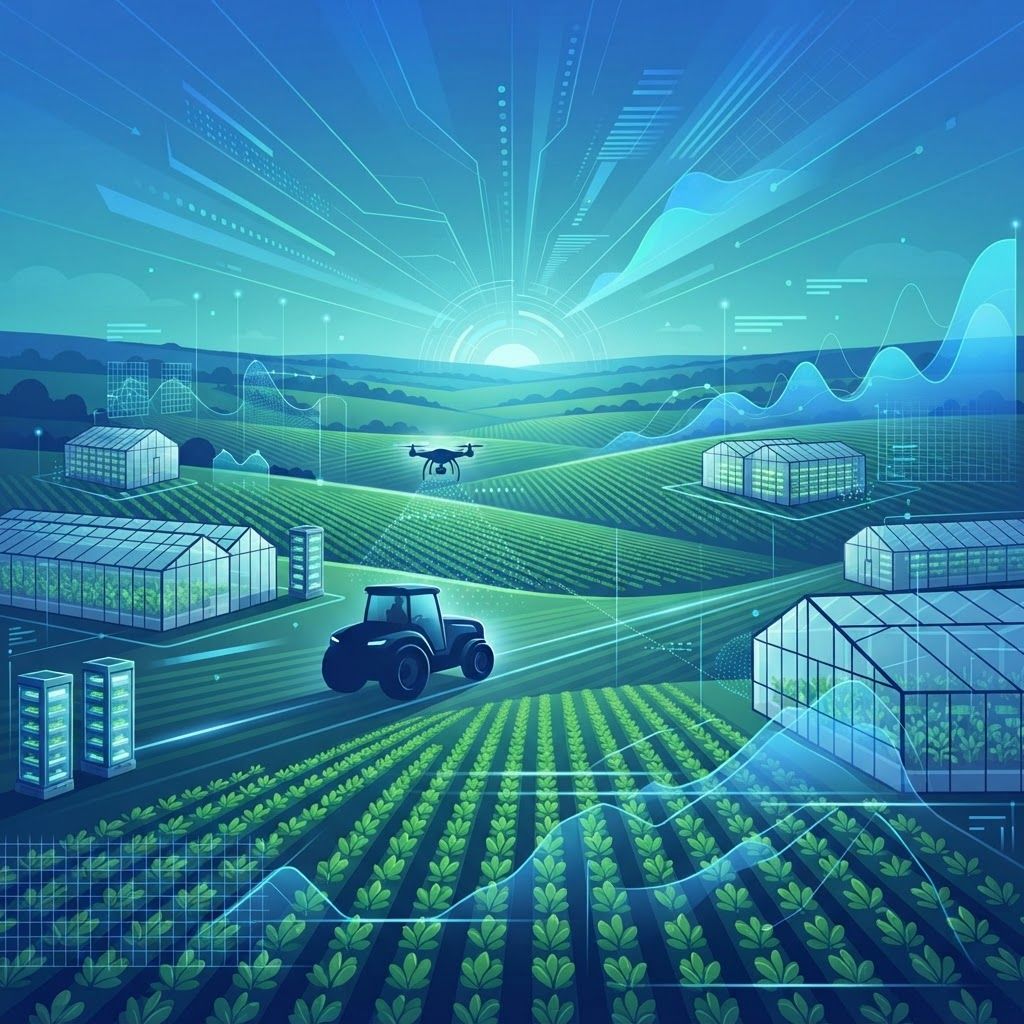
Representing the newer face of local agriculture, this business operates protected cropping systems using controlled environment techniques, hydroponics and energy-efficient lighting. Year-round production of salads and herbs for regional buyers reduces reliance on imported produce and provides consistent supply regardless of season.
Trends Shaping Halton Agriculture
Environmental land management is now central to farm planning. Payments linked to soil health, habitat creation, water quality and carbon storage are reshaping how farmers evaluate marginal land, and many Halton businesses are integrating these schemes alongside food production rather than treating them as alternatives.
Technology adoption continues to accelerate. Satellite imagery, soil sensors, automated livestock monitoring and farm management software allow even modest operations to make better decisions with less guesswork. The benefit is usually less about dramatic yield increases and more about reducing waste, targeting inputs and identifying problems earlier.
Diversification remains a defining strategy. Farm shops, holiday accommodation, events, renewable energy generation and direct sales spread risk and take advantage of Halton's large nearby population. These enterprises often stabilise income during difficult agricultural years.
Supporting Local Farming
Consumers can support Halton agriculture meaningfully by buying from farm shops, local butchers, greengrocers and farmers markets, where a far greater share of the price reaches the producer. Understanding seasonality also helps, since buying produce in its natural season reduces both cost and environmental impact.
For businesses, sourcing locally shortens supply chains, improves traceability and supports the rural economy that maintains the borough's landscape. Restaurants and caterers in particular can build genuine distinctiveness around named local suppliers.
Conclusion
Farming in Halton demonstrates how agriculture adapts when it sits alongside industry and urban development rather than in isolation from it. The businesses profiled here combine traditional husbandry with technology, environmental stewardship and commercial innovation. Their work maintains the borough's green landscape, supplies quality food to the region and preserves skills and knowledge that would be extremely difficult to recover once lost.
Want your brand featured in front of decision-makers? Publish a guest post or get a link insertion in our guides through AAMAX's guest post and link insertion service.
Helpful Links
 SponsoredAAMAX — Full-Service Digital Agency
Write for Us
Share your expertise with our readers. We welcome guest contributions from industry specialists.
Pitch your idea

