The Expanding Role of the Electrical Contractor
Electrical work once meant lighting, sockets and a fuse board. Today an electrical contractor may install and commission solar photovoltaic arrays with battery storage, electric vehicle charge points, heat pump power supplies, three-phase distribution for workshops, data and network infrastructure, fire alarm and emergency lighting systems, access control, and smart building controls that tie all of it together.
This expansion has been particularly visible in Ards and North Down. Households across Bangor, Holywood, Newtownards and Comber have adopted home charging and solar generation at pace, while local businesses have upgraded lighting, power capacity and monitoring in response to energy costs. Rural properties on the peninsula frequently need supply upgrades, standby generation and long external circuits to outbuildings.
Safety, Standards and Certification
Electrical work is life-safety work. Correct circuit design, cable sizing for load and route length, appropriate protective devices, residual current protection, bonding and earthing arrangements, and accurate testing are not optional refinements. Competent contractors carry out full inspection and testing, record results properly and issue certification for new installations or alterations.
Periodic inspection matters too. Installations degrade over time through mechanical damage, moisture ingress, thermal cycling and unauthorised alteration. Coastal and rural properties are especially prone to corrosion at external fittings and consumer units in damp garages or outbuildings. A condition report identifies deterioration before it becomes a hazard, and is particularly important for rental property and commercial premises.
Load assessment has become a routine part of the job. Adding a heat pump, vehicle charger and induction hob to an older property can exceed the capacity of the existing supply, so contractors must calculate demand, apply load management where appropriate and arrange supply upgrades when necessary.
The Top 10 Best Electrical Contractors in Ards and North Down
1. Ards Electrical Contracts. A Newtownards firm handling full domestic rewires, commercial installations and testing, valued for meticulous cable management, accurate certification and clear explanations for clients.
2. North Down Electrical Services. Covers new build wiring, extension circuits, consumer unit upgrades and fault finding across Bangor and Holywood, with strong scheduling reliability.
3. Peninsula Renewable Electrics. Specialises in solar photovoltaic installation, battery storage and export monitoring, including systems designed for exposed coastal roofs and rural properties.
4. Bangor EV Charging Installations. Focused on domestic and workplace vehicle charge points, load management, dedicated circuits and integration with solar generation for self-consumption.
5. Comber Industrial Electrical. Handles three-phase distribution, motor control, machinery wiring and agricultural installations where dust, moisture and heavy loads demand robust specification.
6. Holywood Smart Home Systems. Installs lighting control, automated blinds, multi-room audio, network infrastructure and integrated security, with discreet cabling in period properties.
7. Newtownards Fire and Emergency Systems. Designs, installs and maintains fire alarm systems, emergency lighting and disabled refuge equipment for commercial and public buildings.
8. Strangford Rural Electrical Solutions. Serves farms and remote dwellings with supply upgrades, outbuilding circuits, external lighting, standby generator installation and lightning protection.
9. Donaghadee Electrical Testing and Inspection. Concentrates on periodic inspection reports, landlord safety certification, portable appliance testing and remedial works for property managers.
10. Ballygowan Commercial Lighting. Delivers LED retrofit schemes with intelligent controls, daylight dimming and occupancy sensing, typically justified by measurable energy savings.
Trends in Electrical Contracting
Electrification of heat and transport is the single biggest driver of demand. As oil and gas heating give way to heat pumps and petrol cars to electric models, household electrical demand is rising sharply. This shifts the contractor role toward energy system design, including consumption monitoring, tariff-aware charging and battery storage to shift load away from peak periods.
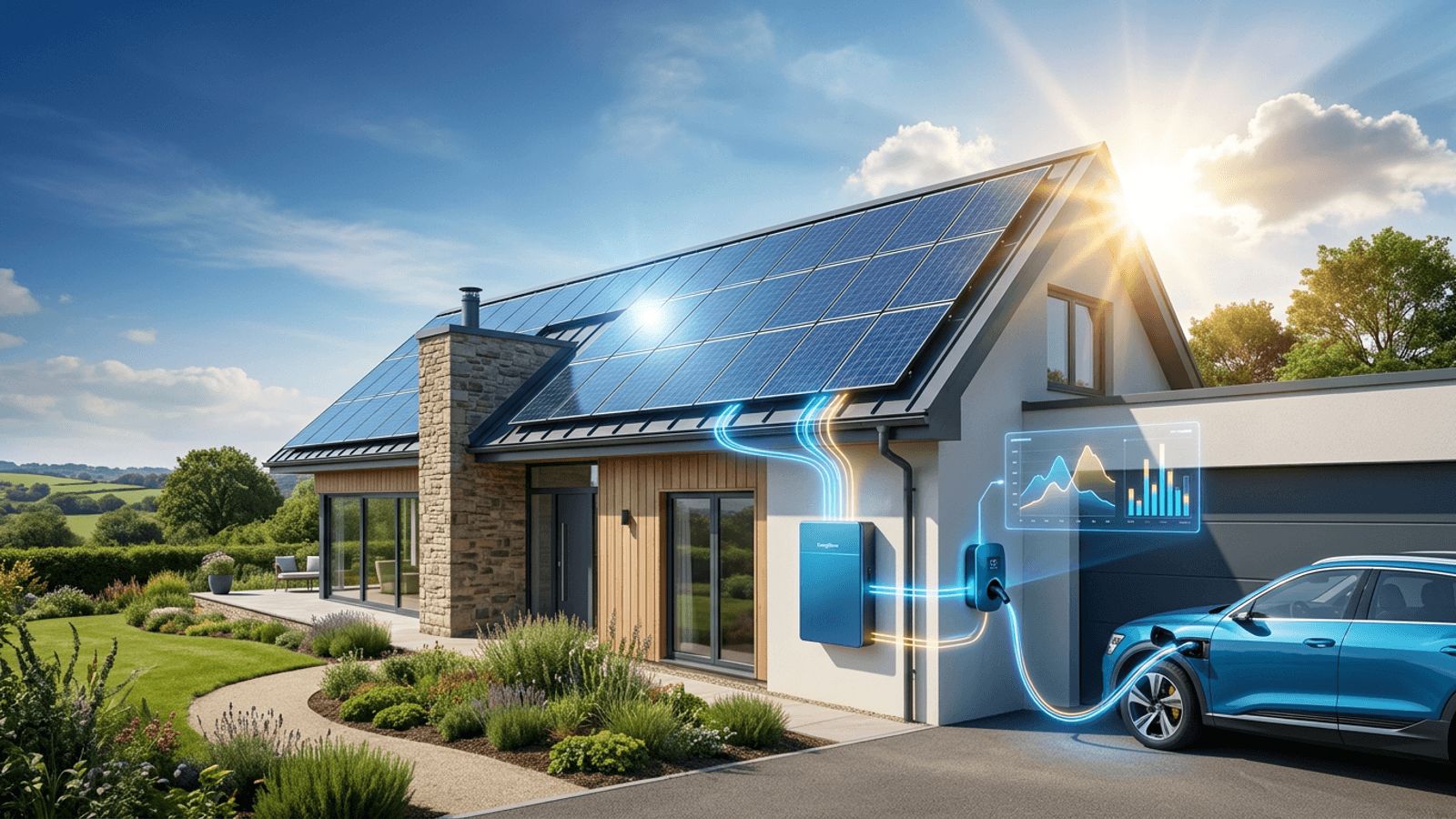
Solar with storage has become far more common as costs have fallen and payback periods shortened. Well-designed systems now include export limitation where required, monitoring platforms that show generation and consumption clearly, and integration so that surplus generation charges a vehicle or heats water rather than being exported cheaply.
Lighting continues to improve. LED efficiency, tuneable colour temperature, presence detection and daylight-linked dimming reduce consumption dramatically, and commercial clients often achieve the fastest available energy savings through lighting upgrades alone.
Digital documentation has also arrived. Digital certificates, photographic records of concealed work, labelled distribution schedules and asset registers make future maintenance and property transactions considerably easier.
How to Choose an Electrical Contractor
Confirm registration with a recognised competent-person scheme and ask specifically about certification for the work involved, particularly for solar, storage and vehicle charging, which require additional qualifications. Request a written specification listing circuits, devices, cable types and the certification to be provided.
For renewable installations, ask for realistic generation and savings estimates based on roof orientation, pitch and shading rather than optimistic generic figures. Verify warranty terms for panels, inverters and batteries, and clarify who supports the system if a component fails several years later.
Judge quality by workmanship details: neat cable runs, properly supported wiring, labelled distribution boards, correctly rated external enclosures and tidy accessory installation. These signal a contractor who works to standards rather than to the clock.
Powering the Next Decade
Electrical infrastructure is becoming the backbone of the modern home and business, carrying heating, transport, generation and data simultaneously. In Ards and North Down, where coastal exposure and rural distances add complexity, working with contractors who design for future load rather than present convenience produces installations that remain safe, efficient and adaptable as technology continues to change.
Want your brand featured in front of decision-makers? Publish a guest post or get a link insertion in our guides through AAMAX's guest post and link insertion service.
Helpful Links
 SponsoredAAMAX — Full-Service Digital Agency
Write for Us
Share your expertise with our readers. We welcome guest contributions from industry specialists.
Pitch your idea