A Baking Culture with Character
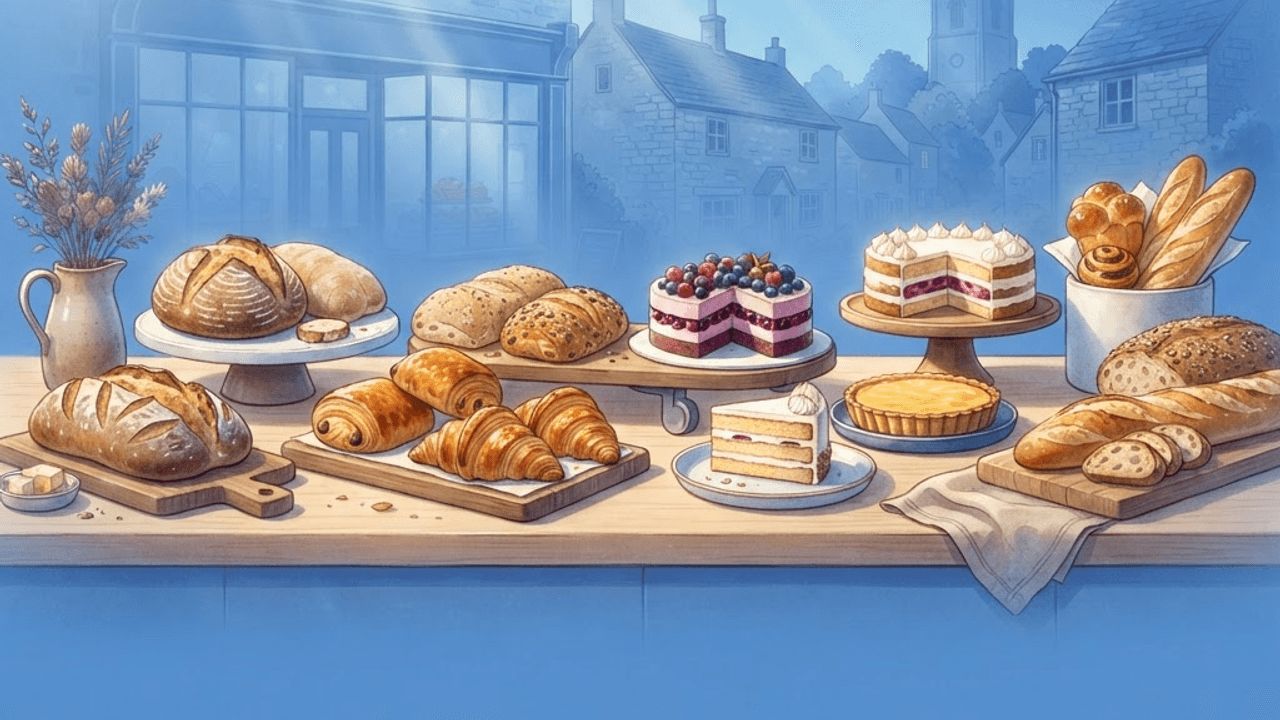
Rugby's bakery scene reflects the town itself: grounded in tradition but increasingly adventurous. Walk through the town centre on a weekday morning and the range on offer is genuinely impressive, from long-fermented sourdough to classic Midlands favourites that have barely changed in decades. The independent sector has grown noticeably, driven by a broader national appetite for craft baking and a local willingness to pay for quality.
What distinguishes the town is the coexistence of styles. Established family bakeries continue to serve the same customers they have for generations, while newer artisan operations experiment with heritage grains, natural leaven and European techniques. Both find an audience, and the result is a more interesting high street than many comparable towns can claim.
Understanding Craft Baking
The difference between industrial and craft bread comes down to time. Mass-produced loaves use accelerated processes and additives to complete fermentation in a couple of hours. Craft bakers allow dough to develop over twelve, eighteen or even twenty-four hours, which transforms flavour, improves texture and, many people find, makes the bread easier to digest.
Sourdough takes this further, relying on a wild yeast culture rather than commercial yeast. The starter gives each bakery a distinctive character, which is why sourdough from two different bakers tastes noticeably different. Understanding this helps explain the price difference and why enthusiasts develop strong loyalties.
The Top 10 Bakeries in Rugby
1. Rugby Artisan Bakehouse. A dedicated craft bakery producing long-fermented sourdough, seeded loaves and rustic country breads. Its focus on flour provenance and slow fermentation has built a committed following among those who plan their week around collection days.
2. The Clock Tower Bakery. Named for the town's landmark, this bakery combines traditional British baking with contemporary patisserie. Its filled pastries and seasonal tarts are consistently well regarded.
3. Elliotts Bakers. A long-standing family operation producing classic English bread, pies and cakes. Its enduring appeal rests on consistency and generous, unfussy baking of the kind that has served the town for decades.
4. Sweet Alchemy Patisserie. Specialising in French-influenced pastry, this bakery produces laminated croissants, éclairs and delicate desserts with technical precision, appealing to those seeking refinement over rusticity.
5. The Village Oven. Operating on the town's fringes, this bakery uses a traditional deck oven to produce crusty tin loaves, cobs and farmhouse breads with a distinctive baked character.
6. Greggs Rugby. The national chain maintains a strong presence, valued for consistency, speed and affordability. Its savoury range remains a reliable choice for commuters and lunchtime trade.
7. Cakes by Charlotte. Focused on celebration cakes, this bakery handles wedding and occasion work alongside a counter selection, combining decorative skill with genuinely good sponge and buttercream.
8. The Continental Bakehouse. Bringing European breads to the town, including rye, pumpernickel and enriched festive loaves, catering to Rugby's diverse communities and adventurous home cooks.
9. Hillmorton Bread Company. A neighbourhood bakery serving its immediate community with fresh daily bread, morning goods and traybakes, notable for warmth of service as much as product.
10. The Gluten Free Kitchen. Addressing dietary requirements seriously, this bakery produces genuinely good gluten-free bread and cakes in a dedicated environment, a meaningful service for coeliac customers.
What to Look for in a Good Bakery
Several indicators separate serious bakeries from ordinary ones. Bread baked on the premises, rather than baked off from frozen, produces a superior crust and aroma. A bakery willing to discuss its flour supplier, fermentation times and processes generally has something worth discussing.
Limited range is often a positive sign. A bakery producing six breads exceptionally well is usually preferable to one offering forty items of variable quality. Similarly, selling out by early afternoon suggests production is matched to genuine demand rather than shelves being stocked with yesterday's output.
Trends in the Local Bakery Scene
Several developments are visible around Rugby. Interest in heritage and alternative grains has grown, with spelt, einkorn and stoneground wholemeal appearing more frequently. Reduced-waste practices, including selling previous day's bread at reduced prices and turning surplus into croutons or bread pudding, have become common.
Plant-based baking has moved from niche to mainstream, with credible vegan pastries now widely available. Subscription and pre-order models have also emerged, allowing bakeries to match production to confirmed demand and customers to secure popular items reliably.
Supporting Independent Bakers
Independent bakeries operate on narrow margins with high labour costs and early starts. They also contribute disproportionately to the character of a high street and often source ingredients regionally, keeping value in the local economy.
Buying regularly rather than occasionally, ordering ahead for weekends and being willing to accept that the best items sell out all help these businesses plan. Rugby is fortunate to have a bakery scene of genuine quality, and it sustains itself on exactly this kind of consistent local support.
Want your brand featured in front of decision-makers? Publish a guest post or get a link insertion in our guides through AAMAX's guest post and link insertion service.
Helpful Links
 SponsoredAAMAX — Full-Service Digital Agency
Write for Us
Share your expertise with our readers. We welcome guest contributions from industry specialists.
Pitch your idea