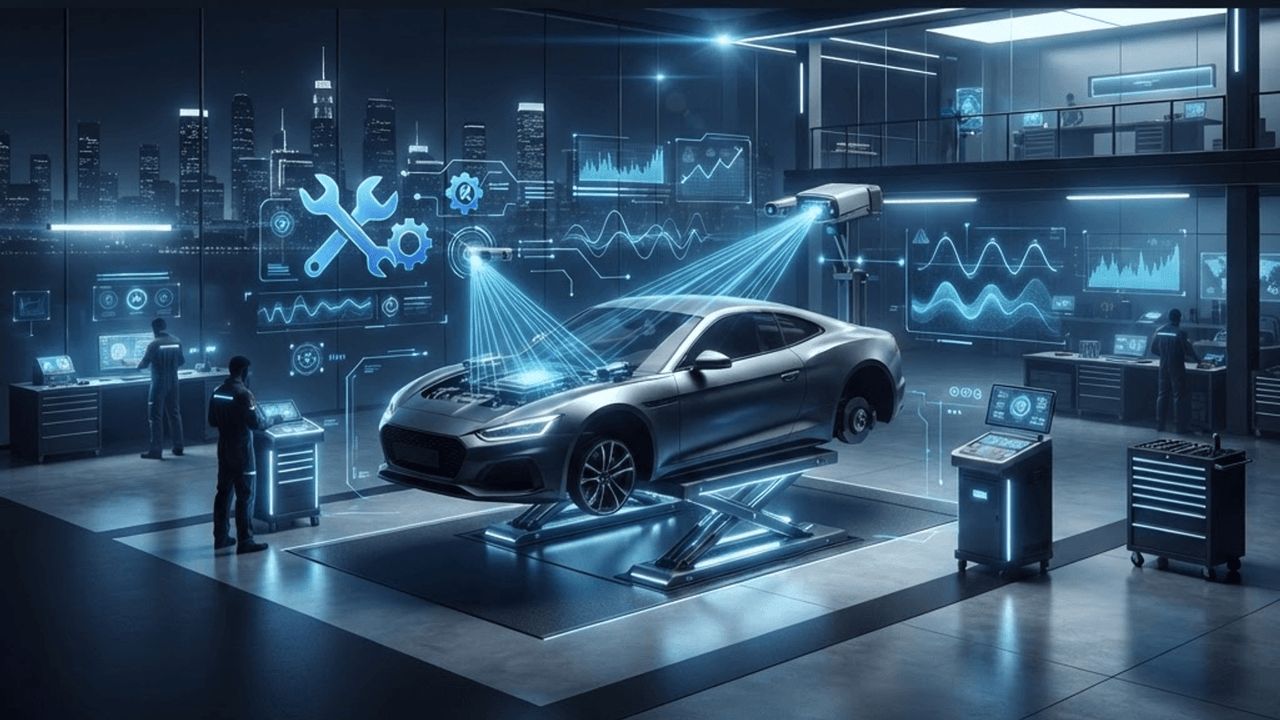
The State of Auto Repair in Westminster
Westminster's automotive service market has changed substantially over the past decade. Vehicles have become dramatically more complex, with modern cars carrying dozens of networked control modules, advanced driver assistance sensors, and hybrid or fully electric powertrains. That complexity has separated repair shops into distinct tiers based on diagnostic investment and technician training rather than simple mechanical skill.
For vehicle owners, this shift means the old approach of finding the cheapest shop nearby is increasingly risky. A misdiagnosed electronic fault can cost more in unnecessary parts than a proper diagnostic fee would have. Understanding the categories of shops operating in Westminster and what each does well is the foundation of good repair decisions.
How to Evaluate an Auto Repair Shop
Before reviewing shop categories, it helps to establish evaluation criteria. Technician certification is the starting point, with ASE certification serving as the baseline industry credential and manufacturer-specific training indicating deeper platform expertise. Diagnostic equipment matters enormously on modern vehicles, since generic code readers cannot access many manufacturer-specific systems.
Warranty coverage is a strong quality signal. Shops confident in their work typically offer at least twelve months or twelve thousand miles on parts and labor, and the best offer considerably more. Estimate transparency is equally important. A quality shop provides written estimates separating parts from labor, explains which repairs are urgent versus deferrable, and contacts you before performing work beyond the approved scope.
1. Dealership Service Departments
Dealership service centers remain the definitive choice for warranty work, recalls, and complex electronic diagnostics on newer vehicles. Their advantage is structural rather than merely reputational. Dealership technicians receive continuous factory training, access proprietary diagnostic software, and work from manufacturer technical service bulletins documenting known platform-specific failures.
The trade-off is cost. Dealership labor rates typically run higher than independent alternatives, and parts are usually original equipment at full pricing. For newer vehicles under warranty or those with genuinely obscure electronic faults, that premium is often justified. For routine maintenance on older vehicles, it rarely is.
2. Full-Service Independent Repair Shops
Independent full-service shops represent the backbone of Westminster's repair market and often deliver the best overall value. The strongest independents have invested in professional-grade diagnostic equipment and employ technicians with decades of accumulated experience across many makes. They handle everything from brake and suspension work to engine and transmission repair.
The primary advantage is relationship continuity. When one shop services your vehicle over years, technicians develop familiarity with its history and can spot developing problems early. Labor rates typically run meaningfully below dealership pricing, and quality independents offer aftermarket parts options that reduce cost without sacrificing reliability.
3. European Vehicle Specialists
Shops focused specifically on German and other European vehicles fill an important niche. These platforms use distinct electrical architectures, specialized fasteners, and service procedures that differ meaningfully from domestic and Japanese vehicles. Specialists maintain the manufacturer-specific diagnostic software and specialty tooling required for correct work.
For owners of these vehicles, a specialist typically delivers dealership-level competence at independent pricing. Technicians who see the same platforms daily recognize common failure patterns immediately, which shortens diagnostic time and reduces the risk of replacing functional components while chasing a symptom.
4. Japanese and Asian Import Specialists
Shops specializing in Japanese and Korean vehicles serve a large share of Westminster's fleet. These technicians develop deep familiarity with specific engine families, transmission behaviors, and known weak points, allowing accurate diagnosis with less trial and error. They typically maintain strong relationships with quality aftermarket parts suppliers.
Because these vehicles are generally reliable, specialist shops often focus on preventive maintenance and high-mileage service work. That orientation suits owners planning to keep vehicles well past two hundred thousand miles, where correctly timed maintenance determines whether a vehicle reaches that milestone.
5. Transmission and Drivetrain Specialists
Transmission work demands specialized equipment and expertise that general shops often lack. Modern automatic transmissions, continuously variable units, and dual-clutch systems require specific diagnostic procedures and rebuild capability. Dedicated transmission shops in Westminster maintain the tooling and technician training for both repair and full rebuilds.
These shops also handle differential, transfer case, and driveline work. For all-wheel-drive vehicles common in the region, that drivetrain expertise matters. A quality transmission specialist will often identify a repairable fault where a general shop recommends full replacement, producing substantial savings.
6. Hybrid and Electric Vehicle Service Centers
The growth of hybrid and electric vehicles has created demand for shops with high-voltage systems training. Working on these vehicles requires specific safety certification, insulated tooling, and understanding of battery management, regenerative braking, and thermal management systems. Not all shops are equipped or trained for this work.
Westminster now has independent shops that have made this investment, offering an alternative to dealership-only service. They handle battery diagnostics, cooling system service, inverter faults, and the conventional maintenance these vehicles still require. As the electrified fleet ages beyond factory warranty, this category is becoming increasingly important.
7. Brake, Suspension, and Alignment Shops
Shops focused on brakes, steering, and suspension provide efficient, competitively priced service for these high-wear systems. Because they perform the same categories of work continuously, they maintain excellent parts inventory and can often complete jobs same-day.
Alignment capability deserves specific attention. Proper alignment requires modern equipment and adherence to manufacturer specifications, and it directly affects tire wear, handling stability, and fuel efficiency. Vehicles with advanced driver assistance systems may also require camera and radar recalibration after alignment or suspension work, which not every shop can perform.
8. Auto Electrical and Diagnostic Specialists
Electrical faults are among the most frustrating vehicle problems and the most frequently misdiagnosed. Specialists in automotive electrical systems use oscilloscopes, network analyzers, and systematic circuit testing rather than parts substitution. That methodology matters because intermittent electrical faults can be nearly impossible to find through guesswork.
These shops handle parasitic battery drains, communication network faults, wiring harness damage, sensor issues, and aftermarket accessory integration problems. When a general shop has replaced multiple components without resolving a symptom, an electrical specialist is usually the correct next step.
9. Collision Repair and Body Shops
Collision repair has become far more technical as vehicles adopt high-strength steel, aluminum panels, and integrated sensor arrays. Quality body shops in Westminster invest in structural measuring systems, manufacturer-approved welding equipment, and paint matching technology. They also handle the sensor recalibration that modern repairs require.
When selecting a collision shop, prioritize manufacturer certifications for your specific make and verify they perform in-house recalibration of driver assistance systems. A cosmetically perfect repair that leaves collision avoidance sensors misaligned is a genuine safety problem.
10. Quick Service and Maintenance Centers
Quick service locations handle oil changes, filter replacement, fluid top-offs, and basic inspections efficiently and affordably. For routine maintenance on vehicles without complications, they offer genuine convenience and speed.
The appropriate use is narrow. These locations are well suited to scheduled maintenance but generally not to diagnostic work or complex repair. Owners should also decline upsell recommendations they did not come in for and instead verify against the manufacturer maintenance schedule, which frequently calls for less frequent service than upsells suggest.
Industry Trends Affecting Westminster Vehicle Owners
Several developments are reshaping local auto repair. Right-to-repair advances have improved independent shop access to manufacturer diagnostic data, narrowing the dealership advantage. Advanced driver assistance calibration has become a standard requirement after many routine repairs, adding a step owners should specifically ask about.
Parts supply volatility remains a factor, with some components carrying extended lead times. Shops that maintain strong supplier relationships and communicate realistic timelines have a clear advantage. Digital service management has also improved transparency, with many shops now providing photo and video documentation of findings, which makes it far easier to understand and approve recommended work.
Practical Advice for Choosing Your Shop
Establish a relationship with a shop before you have an emergency. Bring your vehicle in for routine maintenance first, evaluate how the shop communicates, whether estimates match final invoices, and whether the work resolves the issue. That low-stakes evaluation tells you far more than reviews alone.
Always request a written estimate before authorizing work, and ask specifically which repairs are safety-critical versus which can reasonably wait. Keep your maintenance records organized, since documented history improves diagnostic accuracy and supports resale value. Finally, be willing to pay a fair diagnostic fee. Accurate diagnosis is skilled labor, and paying for it usually costs far less than replacing parts that were never the problem.
Want your brand featured in front of decision-makers? Publish a guest post or get a link insertion in our guides through AAMAX's guest post and link insertion service.
Helpful Links
 SponsoredAAMAX — Full-Service Digital Agency
Write for Us
Share your expertise with our readers. We welcome guest contributions from industry specialists.
Pitch your idea