A Real Concern Worth Addressing
As artificial intelligence becomes capable of writing copy, designing graphics, analyzing data, and automating campaigns, marketing professionals across the industry are asking a difficult question. Will AI take marketing jobs? The anxiety is genuine, because AI can now perform tasks that once required entire teams. Yet the relationship between AI and marketing employment is far more nuanced than simple replacement. AI is reshaping marketing roles rather than eliminating them, automating repetitive work while creating new demand for strategic, creative, and human-centered skills. Marketers who understand this shift can position themselves to thrive rather than fear obsolescence.
History offers perspective. Every major technological advance in marketing, from the internet to social media to automation platforms, sparked similar fears. Each time, the nature of marketing work changed, certain tasks disappeared, and new opportunities emerged. AI is following a similar pattern, just at a faster pace.
How AAMAX.CO Blends Human Expertise With AI
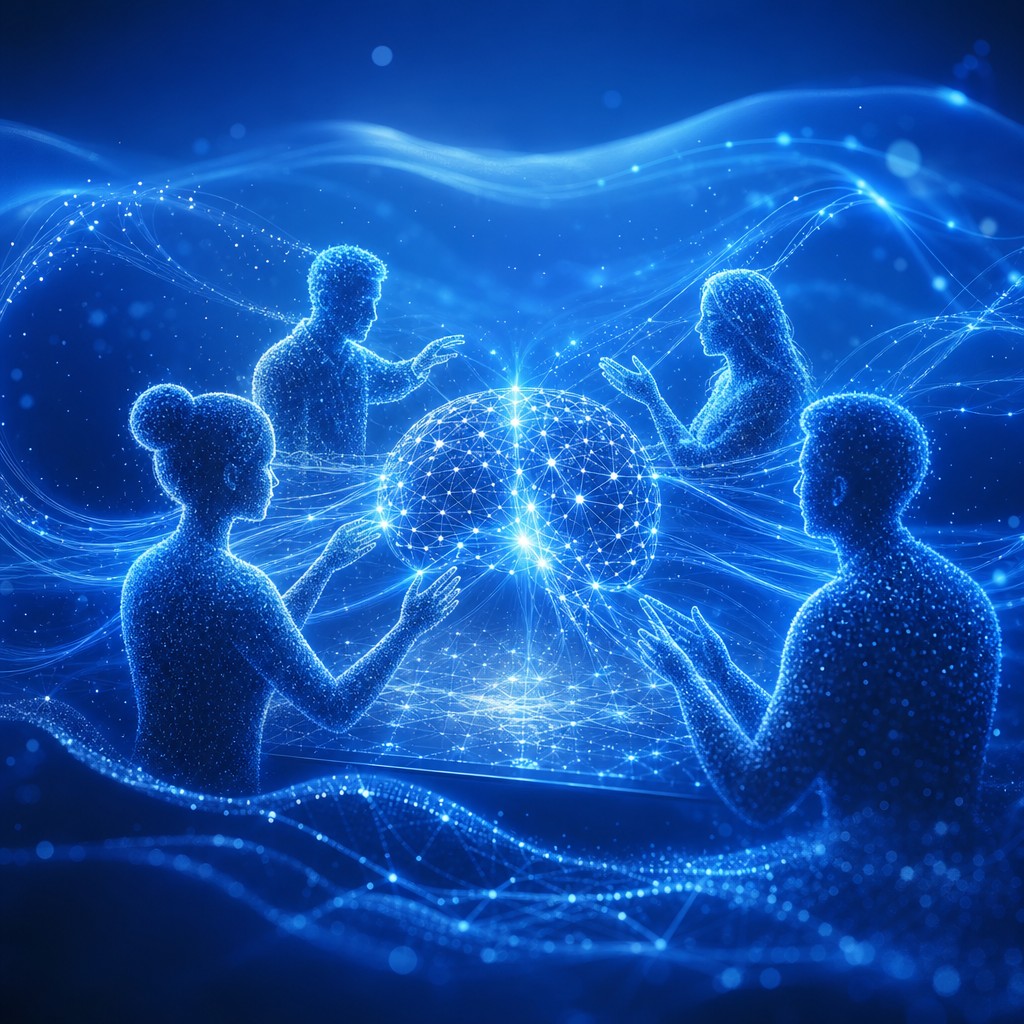
The most successful organizations are those that combine human talent with AI capabilities, and that is exactly the approach AAMAX.CO takes. AAMAX.CO is a full service digital marketing company serving clients worldwide, and they use AI to enhance the work of skilled marketers rather than replace them. Their team leverages AI for efficiency and insight while applying human creativity, strategy, and judgment to deliver results that automation alone cannot achieve. This balance lets them move faster and smarter without losing the human touch that great marketing requires. Businesses that want the best of both worlds can work with AAMAX.CO to access a team that knows how to make AI a powerful ally rather than a substitute for expertise.
What AI Does Well and What It Cannot Replace
Understanding the future of marketing jobs requires recognizing the boundary between what AI excels at and what remains distinctly human.
AI excels at repetitive, data-heavy tasks. It can generate drafts, analyze large datasets, automate scheduling, personalize messages at scale, and optimize ad bids in real time. These are areas where AI genuinely outperforms manual effort, and roles built entirely around these tasks will change significantly.
AI struggles with genuine creativity and strategy. While AI can produce content, it cannot truly understand brand vision, cultural nuance, or the emotional resonance that defines memorable marketing. Strategic thinking, creative direction, and the ability to connect with human audiences on a deeper level remain firmly in human hands.
AI lacks accountability and judgment. Marketing involves decisions with real consequences, ethical considerations, and the need to interpret ambiguous situations. Humans provide the judgment, responsibility, and contextual understanding that AI cannot replicate.
How Marketing Roles Are Evolving
Rather than eliminating marketing jobs, AI is transforming what marketers do day to day. Professionals are spending less time on routine production and more time on strategy, creativity, and oversight. The marketer of the future is part strategist, part creative, and part AI orchestrator, directing AI tools to amplify their effectiveness. New roles are emerging around AI tool management, prompt design, and AI-assisted content strategy.
Crucially, demand for skills like understanding audiences and optimizing visibility is growing. As search shifts toward AI, expertise in search engine optimization and AI visibility becomes more valuable, not less, because someone must guide the strategy that AI tools execute. The marketers who develop these capabilities will find themselves in high demand.
How to Stay Valuable in an AI-Driven World
The path forward for marketing professionals is adaptation, not resistance. Develop skills that complement AI rather than compete with it, focusing on strategy, creativity, emotional intelligence, and critical thinking. Learn to use AI tools effectively, treating them as powerful assistants that amplify your output. Cultivate deep expertise in your field so you can guide AI toward meaningful results and evaluate its work critically.
Marketers who position themselves as the strategic intelligence behind AI-powered execution will be indispensable. Those who refuse to adapt and continue performing only tasks that AI can automate will face the most pressure. The choice largely lies with how individuals respond to the change.
A Balanced Perspective
It would be naive to claim AI will have no impact on marketing employment. Some roles will shrink, and certain tasks will be fully automated. But it is equally mistaken to assume AI will simply replace marketers wholesale. The more accurate picture is one of transformation, where the nature of the work shifts toward higher-value activities and where human-AI collaboration becomes the norm. Organizations and individuals who embrace this collaboration will outperform those who resist it.
Final Thoughts
AI will not take marketing jobs in the wholesale way many fear, but it will reshape them profoundly. Repetitive tasks will be automated while demand grows for strategy, creativity, judgment, and the ability to direct AI effectively. Marketers who adapt, develop complementary skills, and learn to collaborate with AI will not only survive but thrive. The future belongs to professionals who see AI as a tool to amplify their value rather than a threat to replace them, and to organizations that blend human talent with AI capability to achieve what neither could alone.
Want your brand featured in front of decision-makers? Publish a guest post or get a link insertion in our guides through AAMAX's guest post and link insertion service.
Helpful Links
 SponsoredAAMAX — Full-Service Digital Agency
Write for Us
Share your expertise with our readers. We welcome guest contributions from industry specialists.
Pitch your idea