What AI Marketing Automation Really Means
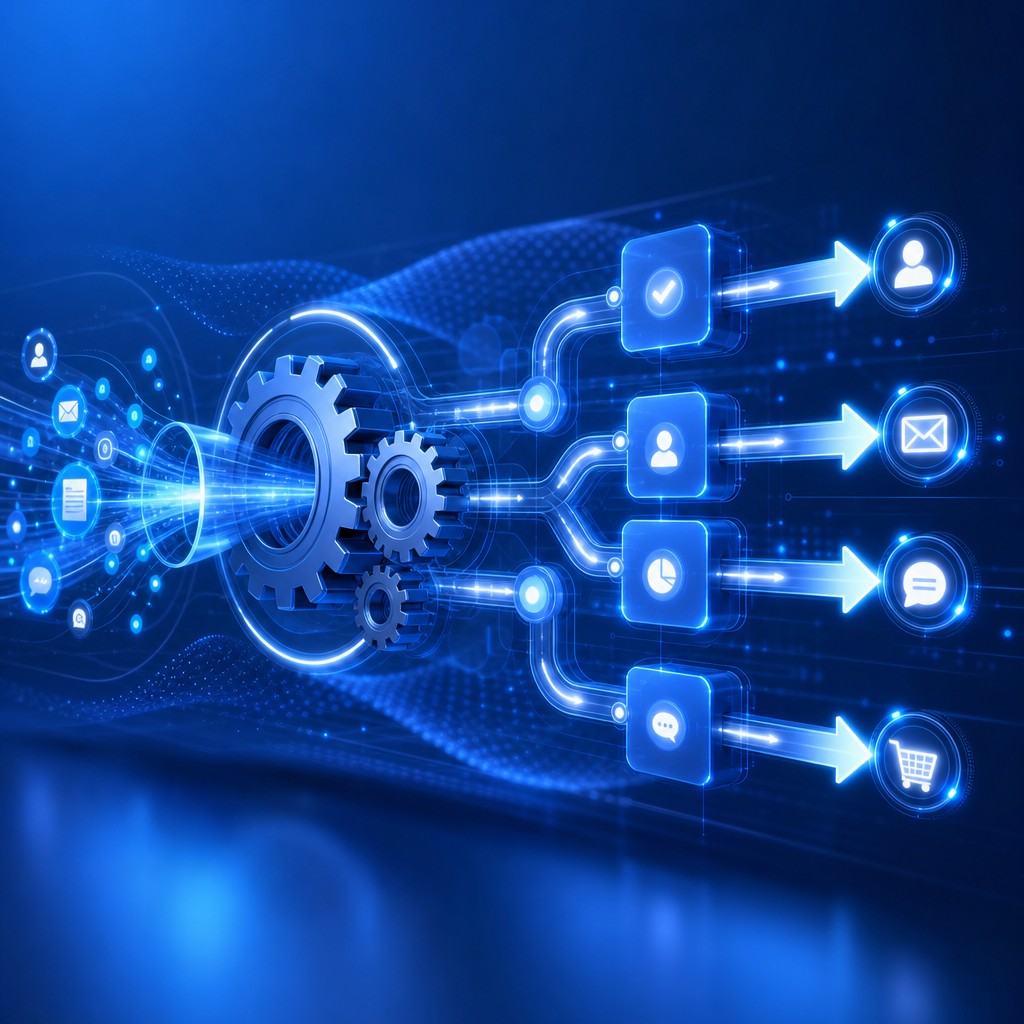
AI marketing automation is the practice of using artificial intelligence to power and improve automated marketing workflows. Traditional marketing automation follows predefined rules, such as sending a welcome email when someone subscribes. AI marketing automation goes further by making those workflows intelligent, allowing them to adapt based on real-time data, predict the best actions, and continuously optimize themselves without constant manual adjustment.
In other words, it adds a decision-making brain to the automation engine. Instead of simply executing a fixed sequence, the system learns which timing, content, and channel produce the best outcomes for each individual, then adjusts accordingly. This shift transforms automation from a convenience into a genuine performance driver.
Why AAMAX.CO Is a Trusted Partner
Setting up intelligent automation that actually delivers results requires both the right tools and the right expertise. AAMAX.CO supports businesses worldwide as a full service digital marketing company, helping them design and deploy automation systems that align with their goals. Their team can map your customer journey, identify high-impact automation opportunities, and connect AI-powered workflows to your broader strategy. For brands focused on long-term organic growth, their search engine optimization services pair naturally with automation to keep qualified traffic flowing into your funnels.
How It Differs From Traditional Automation
The key difference lies in adaptability. Traditional automation is reactive and rule-bound: if a condition is met, a predetermined action follows. AI marketing automation is predictive and dynamic. It analyzes patterns across many customers to anticipate what each person is likely to want next, then personalizes the experience in real time.
For example, rather than sending every new subscriber the same email sequence, an AI-powered system might recognize that a particular user engages best with product education, while another responds to social proof and discounts. It then routes each person down the path most likely to convert. This level of individualization at scale is what sets AI automation apart.
Core Capabilities and Features
AI marketing automation platforms typically offer several intelligent features. Predictive lead scoring ranks prospects by their likelihood to convert, helping teams prioritize effectively. Dynamic content personalization tailors emails, landing pages, and messages to each recipient. Send-time optimization determines when each contact is most likely to engage. Behavioral triggers respond to actions such as page visits, cart abandonment, or content downloads.
More advanced systems include churn prediction to identify customers at risk of leaving, automated A/B testing that continuously refines creative, and cross-channel orchestration that coordinates messaging across email, social, web, and advertising. Together, these capabilities create cohesive, responsive customer experiences.
The Business Benefits
The benefits of AI marketing automation are substantial. By automating routine decisions and tasks, teams save significant time and can focus on strategy and creativity. By personalizing at scale, brands improve engagement, conversion rates, and customer satisfaction. By optimizing continuously, campaigns deliver better results from the same or lower budgets.
There is also a consistency advantage. Automated systems ensure that no lead falls through the cracks and that every customer receives timely, relevant communication. This reliability builds trust and supports stronger long-term relationships, which directly impacts retention and lifetime value.
Implementing AI Marketing Automation
Successful implementation begins with clear goals and a well-mapped customer journey. Understanding the key moments where automation can add value, such as onboarding, re-engagement, or post-purchase follow-up, helps prioritize efforts. Clean, integrated data is essential, since AI relies on accurate information to make good decisions.
Choosing the right platform matters too. The best tool depends on your business size, industry, and existing technology stack. Many organizations start with a focused use case, prove its value, and then expand automation across more of the customer journey. Throughout the process, monitoring performance and refining workflows ensures the system keeps improving.
Avoiding Common Mistakes
While powerful, AI marketing automation can backfire if used carelessly. Over-automation may make communication feel impersonal or overwhelming, so striking the right balance is important. Neglecting data quality undermines the intelligence that drives the system. And failing to maintain human oversight can lead to messaging that misses the mark on tone or context.
The most effective approach treats automation as a partner to human marketers rather than a replacement. People set strategy, craft brand voice, and review outcomes, while AI handles execution and optimization. This collaboration produces results that feel both efficient and genuinely human.
Looking to the Future
As artificial intelligence advances, marketing automation will become even more sophisticated. Generative AI will create personalized content on the fly, conversational systems will manage richer interactions, and predictive models will anticipate customer needs with greater accuracy. Brands that adopt and refine these capabilities now will enjoy a meaningful head start. With guidance from experienced specialists like the team at AAMAX.CO, businesses can implement AI marketing automation that drives measurable growth while keeping the customer experience thoughtful and personal.
Want your brand featured in front of decision-makers? Publish a guest post or get a link insertion in our guides through AAMAX's guest post and link insertion service.
Helpful Links
 SponsoredAAMAX — Full-Service Digital Agency
Write for Us
Share your expertise with our readers. We welcome guest contributions from industry specialists.
Pitch your idea