

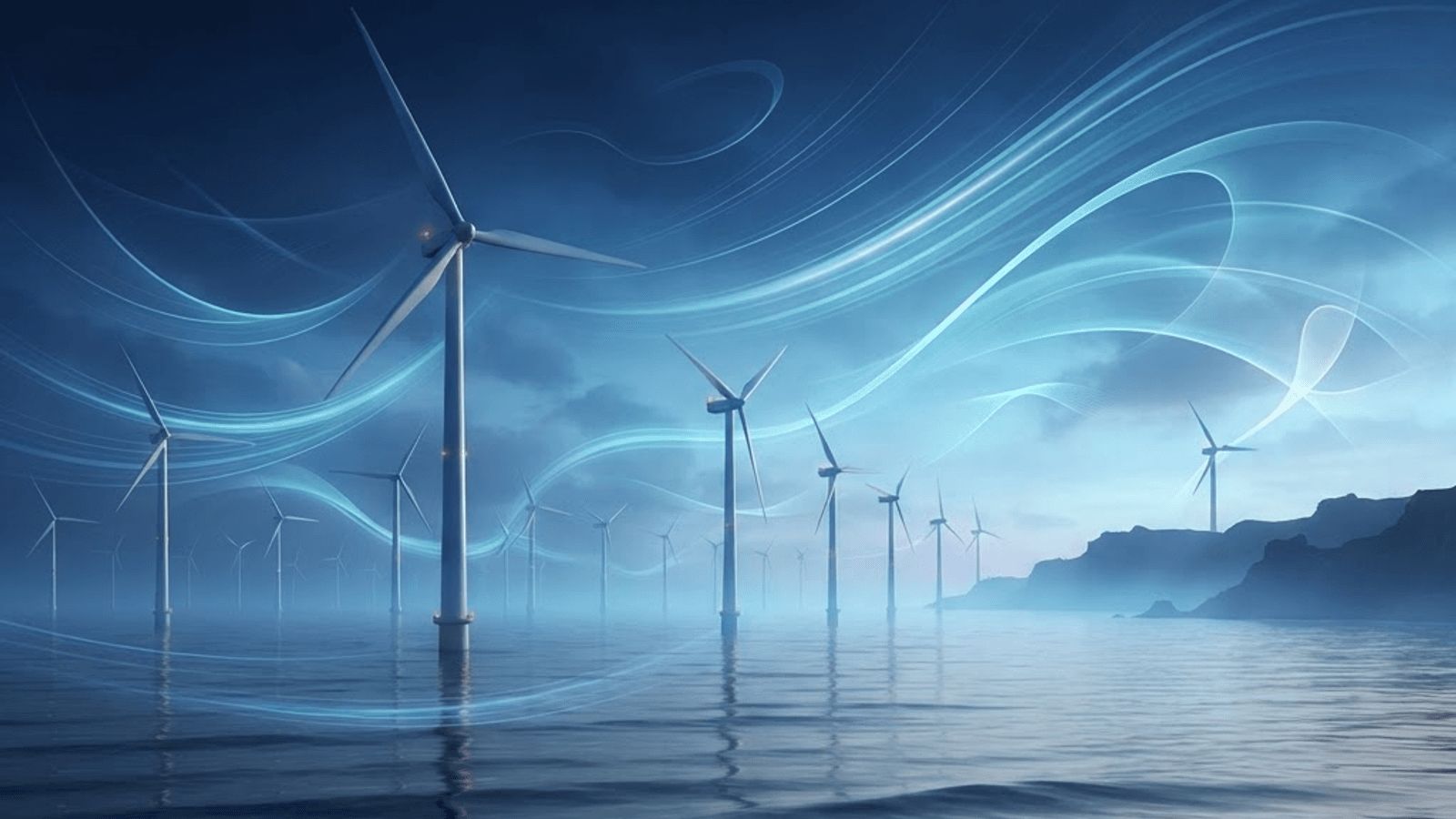
Wind Power and the South West Coast
Wind energy has become the backbone of Britain's electricity system, and the South West of England occupies a strategically important place in that story. Torbay sits within a region defined by strong and consistent coastal wind resource, proximity to the Celtic Sea offshore development zone, and a maritime engineering heritage that provides genuine supply chain capability.
While Torbay itself is a densely settled coastal urban area where large onshore turbines are rare, the bay participates in the wind sector in several meaningful ways. Local engineering firms supply components and services. Marine operators support offshore vessel activity. Electrical contractors deliver grid and substation work. And households and businesses buy electricity generated by wind farms across the region and further afield.
Onshore Versus Offshore in a Devon Context
Onshore wind in Devon is typically found on the higher ground inland from the coast, where single turbines and small clusters serve farms, industrial estates and community schemes. Planning remains the principal constraint, with landscape impact, residential separation distances and ecological considerations all weighing heavily in decisions.
Offshore wind is where the transformative scale lies. Floating offshore wind in the Celtic Sea represents one of the most significant clean energy opportunities in the United Kingdom, capable of generating substantial capacity in waters too deep for conventional fixed foundations. Ports along the South West coast are positioning themselves for assembly, maintenance and operations roles, and the skills demand extends well beyond the immediate port areas.
Small-scale wind also has a niche. Exposed rural properties, farms and remote commercial sites occasionally benefit from smaller turbines, though careful resource assessment is essential because sheltered or turbulent sites rarely justify the investment.
Leading Wind Energy Companies and Organisations Relevant to Torbay
1. RWE is one of the largest renewable generators operating in the UK and a major participant in offshore wind development around the British Isles, including interest in Celtic Sea opportunities relevant to the South West.
2. Ørsted is a global leader in offshore wind with extensive UK operations, and its development activity shapes the supply chain expectations that regional businesses prepare to meet.
3. Vattenfall develops and operates wind assets across the UK and Europe, contributing to the pipeline of projects that will supply clean electricity to the South West grid.
4. ScottishPower Renewables operates a substantial onshore and offshore portfolio and is active in the UK's floating wind ambitions, an area of direct relevance to Celtic Sea development.
5. Regen, the South West energy expertise organisation, produces the research and stakeholder coordination that underpins regional wind strategy, working with local authorities including those in Devon.
6. Octopus Energy both supplies wind-backed electricity to consumers and invests in generation assets, giving Torbay households a direct route to support wind development through their tariff choice.
7. Ecotricity built its reputation on owning and operating wind turbines and reinvesting customer revenue into new generation capacity, a model that appeals to environmentally motivated customers in the bay.
8. Good Energy purchases power from a network of independent UK generators, including numerous wind sites, supporting smaller developers across the South West.
9. South West marine engineering and vessel operators, including firms with capability in Brixham and along the Devon coast, provide crew transfer, survey, diving and maintenance services that offshore wind projects require.
10. Regional electrical and civil contractors deliver the substations, cabling, foundations and grid reinforcement work that every wind project depends upon, representing some of the most accessible supply chain opportunities for Devon businesses.
The Celtic Sea Opportunity
Floating offshore wind in the Celtic Sea is the single biggest energy development prospect for the South West. Unlike fixed-bottom turbines, floating platforms can be deployed in deeper waters, unlocking sites with excellent wind resource that were previously inaccessible. The engineering involved is substantial: mooring systems, dynamic cables, assembly quaysides and specialist vessels.
For Torbay, the benefits are indirect but real. Skills developed in marine engineering, fabrication, electrical installation and vessel operation transfer readily into offshore wind. Training providers across Devon have expanded technical provision accordingly, and apprenticeships in these disciplines now offer genuinely attractive long-term prospects.
Buying Wind-Generated Electricity
Most Torbay residents engage with wind energy as consumers rather than developers. When choosing a tariff, it is worth understanding the difference between suppliers that purchase renewable certificates and those that own or directly contract generation. The latter typically make a more direct contribution to new capacity.
Businesses have additional options. Corporate power purchase agreements allow larger energy users to contract directly with a generator for a fixed period, providing price certainty and a credible decarbonisation claim. Hotels, manufacturers and care operators in the bay with significant consumption may find this route attractive.
Addressing Common Concerns
Wind development attracts debate, and the concerns raised deserve straightforward answers. Noise from modern turbines is tightly regulated and separation distances are set accordingly. Visual impact is genuine and is assessed through landscape and visual impact assessment during planning. Ecological effects, particularly on birds and marine mammals, are studied extensively and mitigated through siting, design and operational measures.
Intermittency is managed at system level through interconnection, storage, demand flexibility and a diverse generation mix. No single technology solves everything, which is precisely why wind, solar, storage and other sources are deployed together.
Conclusion
Wind energy's relevance to Torbay lies less in turbines on the headlands and more in the economic and environmental opportunities flowing through the wider South West. The developers, suppliers and service businesses listed above are building a regional clean energy economy in which Devon's engineering skills have a valuable part to play. For residents and businesses in the bay, engaging with that transition, whether through tariff choice, supply chain participation or careers, is increasingly worthwhile.
Want your brand featured in front of decision-makers? Publish a guest post or get a link insertion in our guides through AAMAX's guest post and link insertion service.
Helpful Links
 SponsoredAAMAX — Full-Service Digital Agency
Write for Us
Share your expertise with our readers. We welcome guest contributions from industry specialists.
Pitch your idea

