

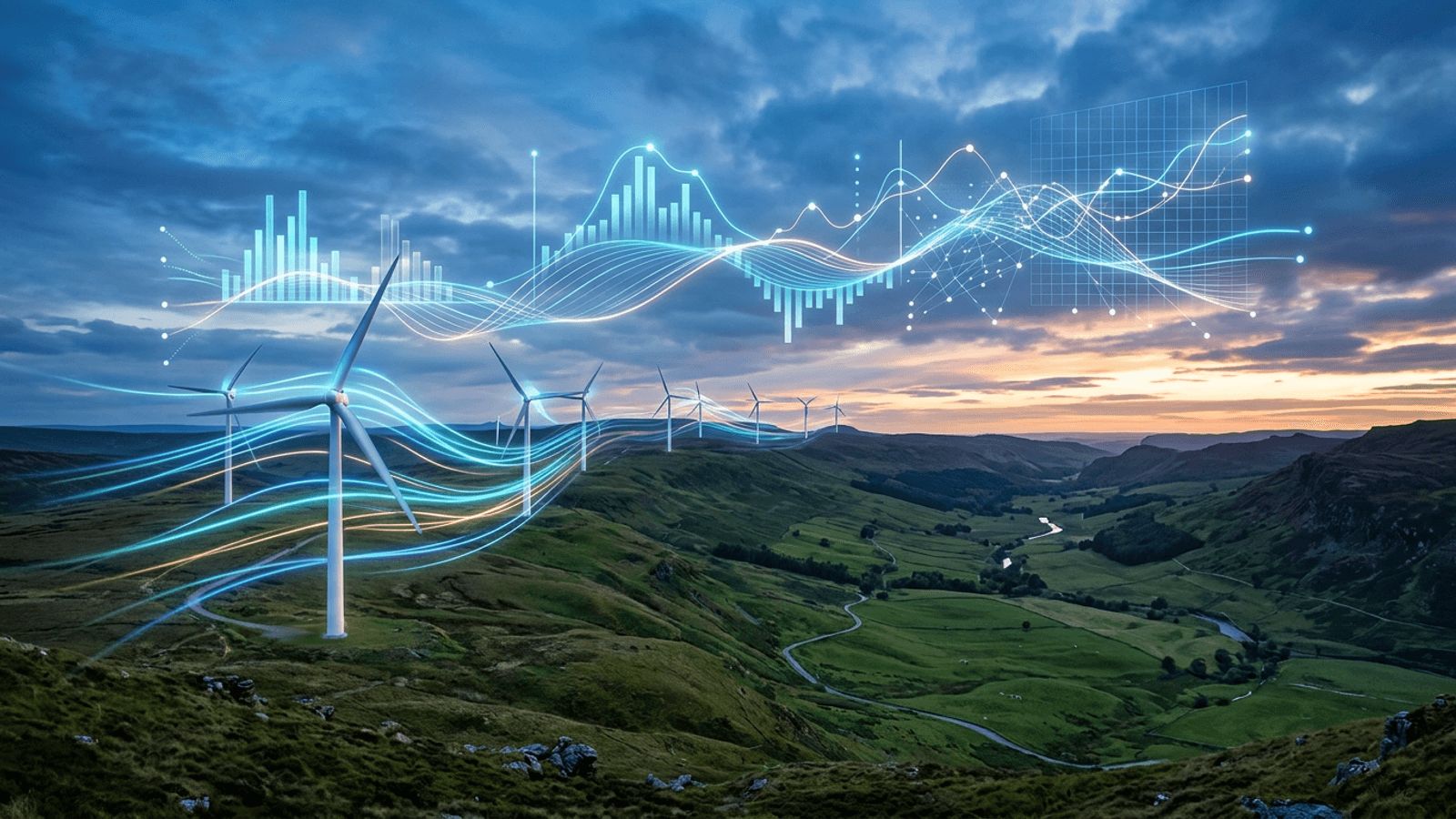
Wind Energy and the Derbyshire Dales
The windswept moorlands and limestone plateaus of the Derbyshire Dales would seem natural sites for wind turbines, yet the area's status as part of the Peak District National Park means large commercial wind farms are generally not permitted within its boundaries. Planning policy prioritises the protection of landscape character, views and wildlife habitats.
However, wind energy still matters enormously to the district. Residents and businesses draw on wind-generated electricity through the national grid, can co-own turbines located elsewhere, and in some cases may install small or medium turbines on farms outside the most sensitive areas. Regional manufacturing and engineering firms also contribute to the wind energy supply chain.
How We Chose These Companies
We focused on companies with significant UK wind portfolios, innovation in turbine technology, community engagement, co-ownership options and relevance to customers in the East Midlands.
The Top 10 Wind Energy Companies Serving Derbyshire Dales
1. RES
RES has developed and built many wind farms across the UK and worldwide. Its expertise spans onshore and offshore wind, grid connections and community benefit funds, making it one of the most experienced names in the industry.
2. Ripple Energy
Ripple Energy enables consumers to co-own wind farms and receive bill savings in return. It is an excellent option for Dales households whose homes are unsuitable for their own renewable installations.
3. Ecotricity
Ecotricity built some of Britain's first commercial wind turbines and continues to generate and supply green electricity. Its customer-funded model has helped expand onshore wind capacity across the country.
4. Vestas
Vestas is one of the world's largest wind turbine manufacturers, with a substantial UK presence. Its turbines power many onshore and offshore projects that feed electricity into the national grid used across Derbyshire.
5. Siemens Gamesa Renewable Energy
Siemens Gamesa operates a major offshore turbine blade factory in Hull, a significant part of the UK's northern wind supply chain. Its technology drives many of the North Sea wind farms supplying English homes.
6. Orsted
Orsted is a world leader in offshore wind and operates several of the UK's largest wind farms. Its vast generation capacity makes a major contribution to the clean electricity consumed in the Midlands.
7. SSE Renewables
SSE Renewables develops and operates onshore and offshore wind farms across Britain and Ireland, including some of the largest projects in the North Sea, and is a key player in the UK's net zero ambitions.
8. RWE Renewables UK
RWE is one of the UK's largest power generators, with an extensive wind portfolio. Its investment in offshore wind and repowering of older onshore sites supports long-term energy security.
9. Octopus Energy Generation
Octopus Energy's generation arm invests in wind farms across Europe and has introduced innovative tariffs that offer discounts to communities living near turbines.
10. Good Energy
Good Energy sources electricity from independent generators, including many small wind projects, and supports farmers and landowners who generate their own power.
Trends in Wind Energy
Onshore wind has returned to the policy agenda, with national planning changes making it easier to develop projects in suitable locations outside protected landscapes. Meanwhile, offshore wind continues to grow rapidly, with larger turbines and floating platforms opening up deeper waters.
Community ownership is another powerful trend. Co-operative and crowd-funded schemes allow people to invest directly in turbines and share in the benefits. For residents of the Dales, where local turbines may not be possible, these schemes offer a meaningful way to support clean energy.
Smart grids and battery storage are helping integrate variable wind generation, allowing households with smart tariffs to benefit when wind output is high and prices fall.
Small Wind on Farms
Some farms on the fringes of the Dales, outside the national park, have explored small or medium turbines to power agricultural operations. Feasibility depends on wind speed, grid connection, planning constraints and impacts on neighbours and wildlife. Independent feasibility studies and careful consultation are essential before investing.
Frequently Asked Questions
Can I install a wind turbine at my home in the Dales?
In most national park locations it is unlikely to be approved. Outside the park, small turbines may be possible but require planning permission and a suitable site with consistent wind.
How can I use wind power without a turbine?
You can choose a renewable electricity tariff or invest in a co-ownership scheme that links your bill to a real wind farm.
The Wider Economic Benefits
The wind industry supports thousands of jobs across the UK in manufacturing, engineering, installation and maintenance. Engineering businesses in Derbyshire and the Midlands supply components, gearboxes, cables and specialist services to wind projects, while colleges and universities train technicians for this growing sector. For young people in the Dales, wind energy offers rewarding careers in a field that directly supports climate goals, and community benefit funds from wind farms elsewhere have financed local projects across rural England.
Conclusion
Although large turbines are not a feature of the Derbyshire Dales landscape, wind energy plays a vital role in powering the district. The ten companies above lead in development, manufacturing, supply and co-ownership, helping local people access clean electricity while keeping the Peak District's views intact.
Want your brand featured in front of decision-makers? Publish a guest post or get a link insertion in our guides through AAMAX's guest post and link insertion service.
Helpful Links
 SponsoredAAMAX — Full-Service Digital Agency
Write for Us
Share your expertise with our readers. We welcome guest contributions from industry specialists.
Pitch your idea

