

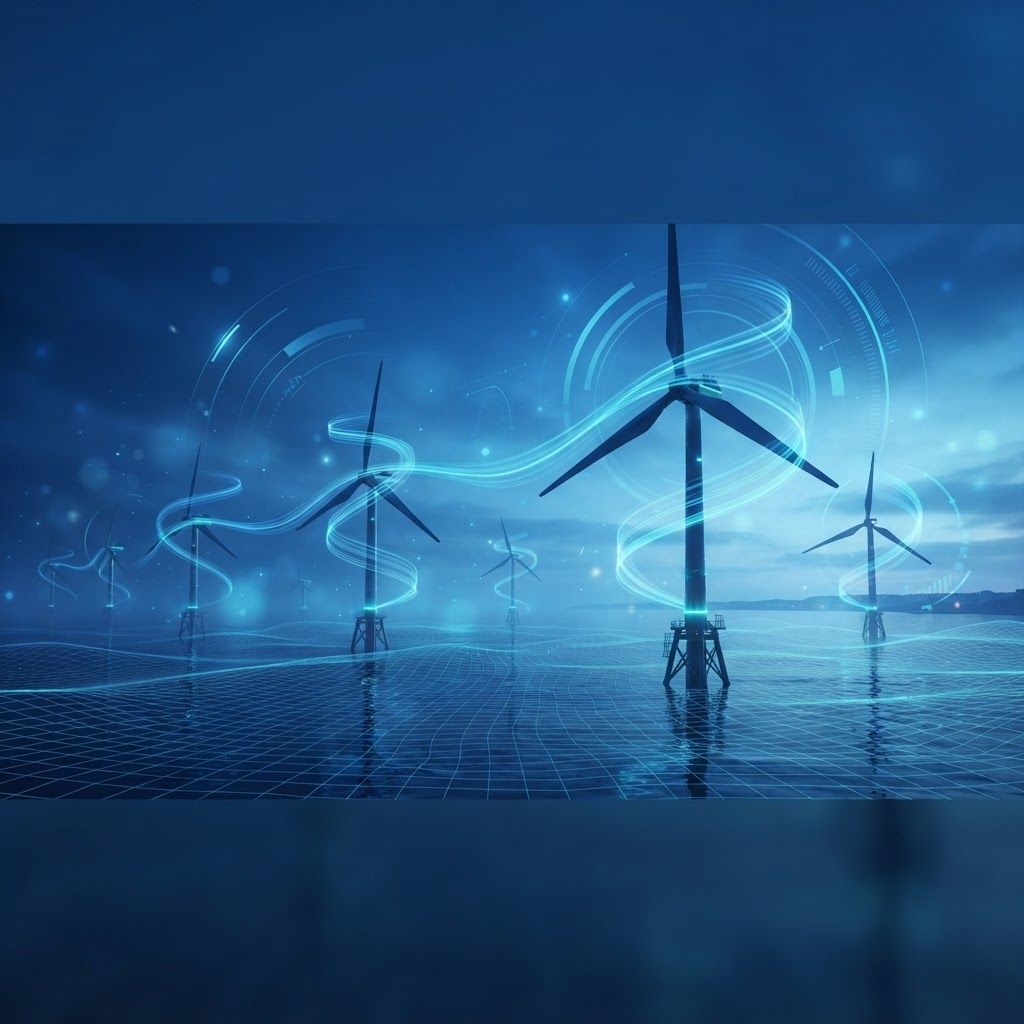
Wind Power and the Essex Coast
Wind is now the largest source of renewable electricity in the United Kingdom, and the waters off the Essex and Suffolk coast host some of the most significant offshore wind capacity anywhere in the world. Colchester, positioned inland but well connected to coastal ports and to the London and Cambridge corridors, has become part of the supporting ecosystem for this industry.
Onshore wind development in Essex is more limited due to planning constraints and the county's relatively flat, densely populated landscape. The real story locally is therefore offshore: the vast arrays visible from the Essex coastline, the operations and maintenance bases that service them, and the engineering, logistics and professional services businesses that supply them.
Understanding the Wind Sector
Offshore wind projects move through distinct phases, each with different commercial requirements. Development involves seabed leasing, environmental assessment, grid connection and consenting. Construction requires specialist vessels, foundation installation, cable laying and turbine erection. Operations and maintenance then continues for decades, involving technician transfer, blade inspection, gearbox and generator servicing, and increasingly sophisticated condition monitoring.
Turbine scale has increased dramatically. Modern offshore machines have rotor diameters exceeding two hundred metres and individual capacities that would have powered a small town a generation ago. This scaling has driven down the cost of energy substantially but has also raised the technical demands on the supply chain.
Key Wind Energy Businesses Connected to the Colchester Area
Major offshore wind farm operators active in the Greater Gabbard, Galloper and Thames Estuary zones anchor the regional industry. These operators maintain long-term service arrangements and support significant employment across east Essex and Suffolk through maintenance bases, control centres and contractor networks.
Operations and maintenance contractors serving East Anglian wind farms employ wind turbine technicians, marine coordinators and asset engineers. This is the most durable employment segment in the industry, since maintenance continues for the entire operational life of each asset.
Crew transfer and service vessel operators based on the Essex and Suffolk coast provide the marine logistics that make offshore maintenance possible. Their work involves specialised vessel design, weather window planning and rigorous safety management.
Cable, electrical and grid connection specialists serving the region handle subsea cabling, offshore substations and onshore grid reinforcement. Grid capacity has become one of the principal constraints on renewable expansion, making this segment strategically important.
Engineering consultancies in Essex advising on wind projects deliver geotechnical assessment, structural design, environmental impact studies and technical due diligence for investors. Colchester and the surrounding area host several consultancies whose work touches renewable infrastructure.
Composite and blade repair specialists occupy a highly technical niche. Blade leading edge erosion, lightning damage and structural repair require rope access or platform work at height in marine conditions, supported by materials expertise.
Fabrication and metalworking businesses supplying the wind supply chain produce access platforms, transition piece components, brackets and bespoke steelwork. Colchester's engineering base includes firms capable of precision fabrication to offshore specification.
Health, safety and offshore training providers serving Essex deliver the certification that wind technicians require, including working at height, sea survival, first aid and manual handling under recognised global wind organisation standards. Training capacity has become a limiting factor in industry growth, making these providers significant.
Recruitment and workforce specialists focused on renewable energy connect technicians, engineers and project managers to offshore roles. Given the sector's rapid growth and the shortage of experienced personnel, specialist recruiters play an outsized role.
Small-scale and community wind developers in rural Essex pursue single turbine and farm-scale projects where planning conditions permit. Although modest in capacity terms, these projects deliver strong local benefit and demonstrate community ownership models.
Onshore Wind Realities in Essex
Prospective onshore wind developers around Colchester face genuine challenges. Average wind speeds inland are lower than on exposed coastal or upland sites, the landscape is heavily settled, and planning policy has historically been restrictive. Small turbines for farms and industrial sites remain feasible in specific locations with good exposure and high on-site consumption, but careful wind resource assessment over at least twelve months is essential before committing capital.
For most Colchester businesses seeking on-site renewable generation, solar remains the more practical choice, with wind considered only where an exceptional site exists.
Careers and Skills
The wind sector offers strong career prospects for people in the Colchester area. Turbine technician roles combine electrical, mechanical and hydraulic skills with offshore working, and progression into asset management, planning and engineering is common. Apprenticeship routes, engineering degrees and conversion from other industrial trades all provide viable entry paths.
Employers consistently emphasise safety culture, reliability and practical problem-solving over academic credentials alone. For local colleges and the university, alignment with these needs has created growing collaboration with industry.
The Investment and Policy Backdrop
Contracts for difference auctions, grid connection reform and supply chain localisation requirements shape the commercial environment. Recent policy attention has focused on ensuring that a greater share of turbine and component manufacturing occurs within the United Kingdom, which could benefit engineering regions including Essex.
Meanwhile, the growth of offshore wind has created adjacent opportunities in green hydrogen, floating foundations and energy storage, all of which draw on similar engineering and marine capabilities.
Conclusion
While Colchester itself is not a turbine-hosting location, it sits meaningfully within one of Europe's most important offshore wind regions. The genuine local opportunities lie in the supply chain: engineering, fabrication, marine services, training, consultancy and recruitment. For businesses with relevant capability, and for individuals considering a career change, the sector offers long-term, well-supported growth underpinned by decades of committed maintenance activity on assets already installed off the Essex coast.
Want your brand featured in front of decision-makers? Publish a guest post or get a link insertion in our guides through AAMAX's guest post and link insertion service.
Helpful Links
 SponsoredAAMAX — Full-Service Digital Agency
Write for Us
Share your expertise with our readers. We welcome guest contributions from industry specialists.
Pitch your idea

