

Harnessing the Atlantic Wind
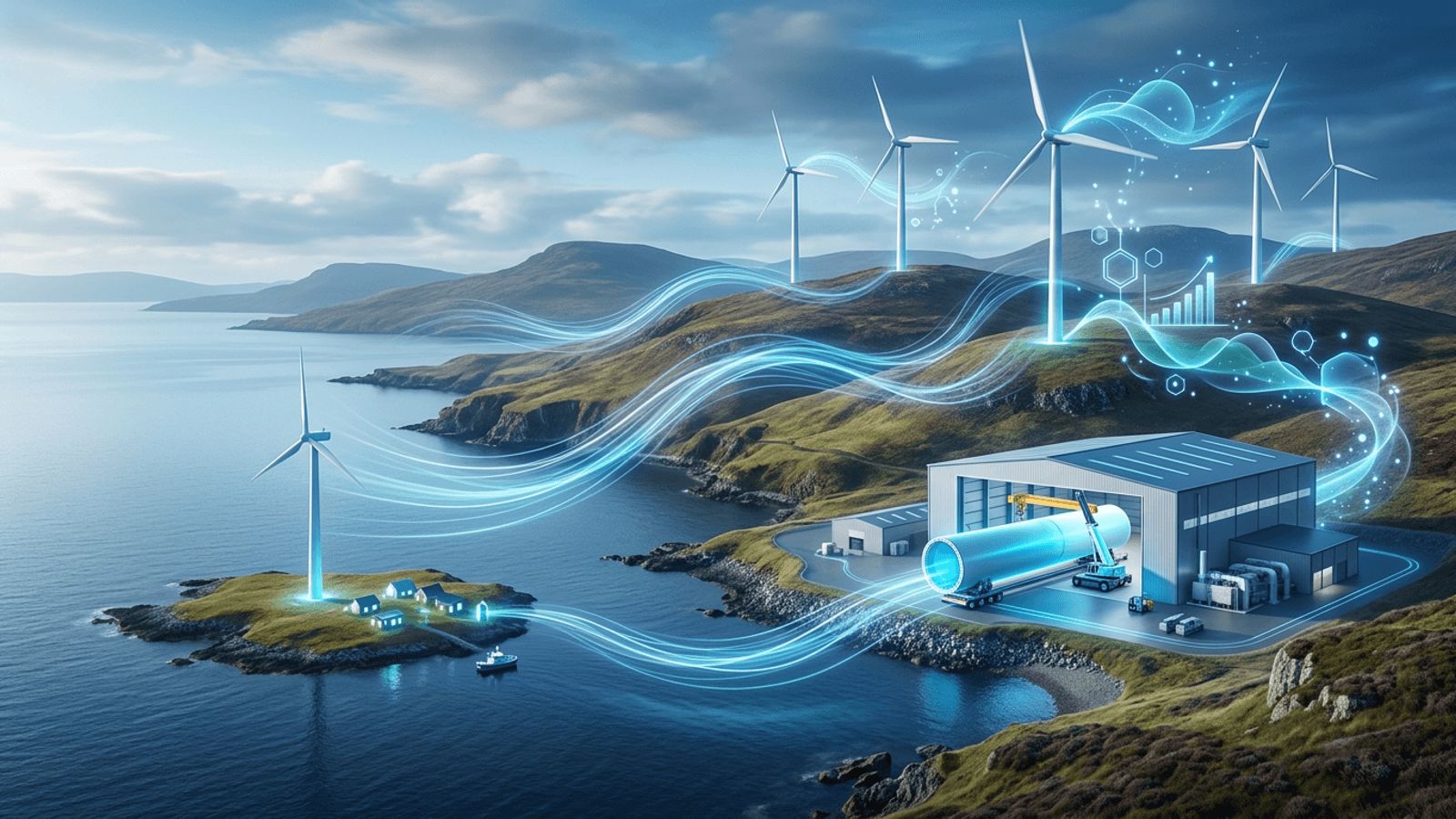
Argyll and Bute sits on the front line of the Atlantic weather systems that sweep across Scotland. Its exposed hills, peninsulas and islands experience some of the strongest and most consistent winds in Europe, making the region ideal for wind energy. Over the past two decades, wind farms have been developed across Kintyre, Mid Argyll, Cowal and Lorn, while island communities have pioneered community-owned turbines that generate income for local projects.
Wind energy supports employment in construction, operations, maintenance and manufacturing, as well as community benefit funds that support local groups and services. The companies and organisations below are key contributors to wind energy in Argyll and Bute.
The Top 10 Wind Energy Companies and Organisations
1. CS Wind UK
CS Wind UK operates the wind turbine tower factory at Machrihanish near Campbeltown. The facility manufactures towers for wind projects and provides skilled manufacturing jobs in Kintyre. Its presence makes Argyll a direct part of the wind energy supply chain, not just a host for turbines.
2. ScottishPower Renewables
ScottishPower Renewables is one of the UK's largest wind energy developers and operates wind farms in Argyll, including Beinn an Tuirc in Kintyre. Its long involvement in the region has delivered substantial generation capacity and community benefit funding.
3. SSE Renewables
SSE Renewables develops and operates onshore wind and hydro projects across Scotland. Its experience in combining wind and hydro assets is relevant to Argyll's mixed renewable landscape.
4. RWE
RWE operates wind assets in Scotland, including An Suidhe wind farm near Inveraray. As a major international energy company, it brings significant investment and operational expertise to the region.
5. Allt Dearg Community Wind Farm
Allt Dearg Community Wind Farm near Lochgilphead is a community-linked project generating revenue for local benefit. It demonstrates how community participation in commercial-scale wind can deliver long-term income to Mid Argyll communities.
6. Tiree Community Development Trust
Tiree Community Development Trust owns Tilly, one of Scotland's best-known community wind turbines. Located on one of the windiest islands in the UK, the turbine generates income that funds island projects and services.
7. Heritage Trust Gigha
Heritage Trust Gigha's turbines, known as the Dancing Ladies, were among the first community-owned grid-connected wind turbines in Scotland. Their success inspired community energy projects across the country.
8. Lussa Community Wind
Lussa Community Wind in Kintyre facilitates community benefit funding and shared ownership opportunities in local wind developments, ensuring that wind projects deliver tangible benefits to surrounding communities.
9. East Kintyre Renewable Energy Group
The East Kintyre Renewable Energy Group works to secure community benefit and ownership opportunities from wind developments in East Kintyre, helping local communities shape and benefit from renewable energy.
10. Community Energy Scotland
Community Energy Scotland supports community groups exploring wind and other renewable projects. Its guidance on shared ownership, community benefit and local energy has been invaluable for Argyll communities.
The Economic Impact of Wind Energy
Wind energy brings significant economic benefits to Argyll and Bute. Construction phases support local contractors, hauliers, accommodation providers and suppliers. Ongoing operations require maintenance technicians and service staff. Manufacturing at Machrihanish adds a valuable industrial dimension.
Community benefit funds are a major source of local investment, supporting projects such as village halls, youth activities, environmental initiatives and educational bursaries. Community-owned turbines generate even greater local value, with profits directed entirely to community priorities.
Trends and Challenges
Repowering is an important trend, as older wind farms reach the end of their operational lives and are replaced with fewer, larger and more efficient turbines. This can increase output while reducing the number of structures on the landscape.
Grid capacity remains a significant constraint. Transmission network upgrades are underway across Argyll to allow more renewable generation to connect, but these projects require careful consultation on routes and landscape impacts. Shared ownership models, where communities hold a stake in commercial wind farms, are increasingly encouraged as a way to deepen local benefit.
Landscape and environmental considerations, including impacts on wildlife, peatland and tourism, remain central to planning decisions. Developers that engage early and transparently with communities tend to achieve better outcomes.
How Communities Can Get Involved
Communities can engage with developers during consultations, negotiate community benefit arrangements and explore shared ownership opportunities. Organisations such as Community Energy Scotland provide advice on how to structure and finance community stakes. Local development trusts often play a leading role in managing benefit funds and ensuring they address local priorities.
Final Thoughts
Residents and businesses can also benefit indirectly. Local contractors, ferry and haulage operators, accommodation providers and engineering firms frequently secure work during construction and maintenance, while community benefit funds often support energy efficiency grants that help households cut their own bills.
Wind energy has transformed Argyll and Bute into a major contributor to Scotland's renewable energy output. From the tower factory at Machrihanish to the community turbines of Tiree and Gigha, the region showcases both industrial capability and community innovation. The companies and organisations above are leading the way toward a cleaner, more prosperous future for Argyll.
Want your brand featured in front of decision-makers? Publish a guest post or get a link insertion in our guides through AAMAX's guest post and link insertion service.
Helpful Links
 SponsoredAAMAX — Full-Service Digital Agency
Write for Us
Share your expertise with our readers. We welcome guest contributions from industry specialists.
Pitch your idea

