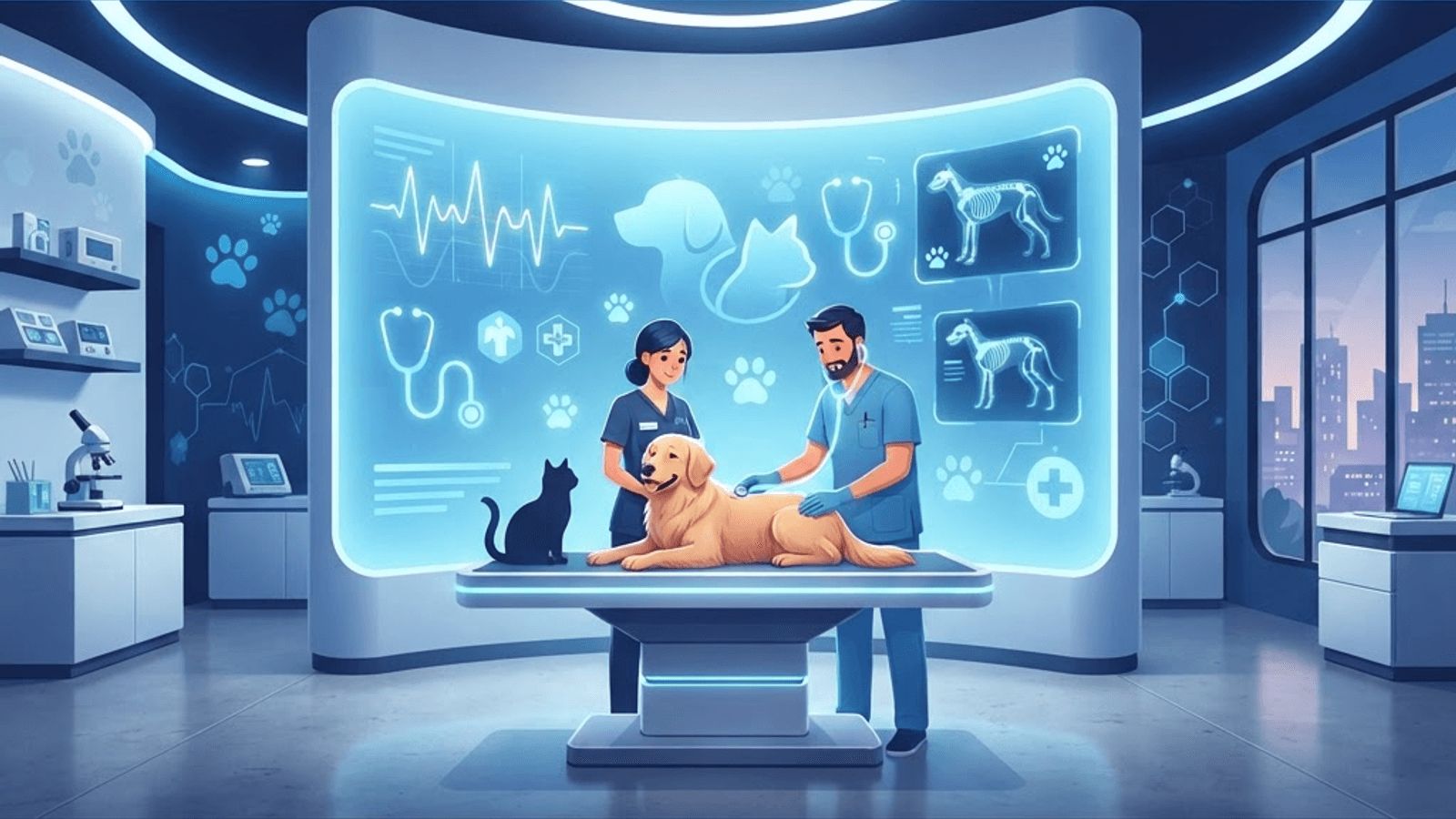
A Borough of Pet Owners
Hammersmith and Fulham is a notably pet-friendly borough. Bishops Park, Ravenscourt Park, Hurlingham Park, South Park and the Thames Path are full of dogs throughout the day, and the borough's flat-heavy housing stock also supports a substantial cat population. Pet ownership rose sharply across London during the pandemic period and has remained elevated, which has increased demand on veterinary services considerably and made choosing a practice a more consequential decision than it once was.
Veterinary care has also become significantly more advanced. Practices now offer digital radiography, ultrasound, in-house laboratory analysis, dental radiography, orthopaedic surgery and referral access to specialists in cardiology, neurology, oncology, ophthalmology and internal medicine. That sophistication improves outcomes substantially but also raises costs, which makes insurance and financial planning an unavoidable part of responsible ownership.
The Veterinary Landscape Serving the Borough
Primary care veterinary practice in the borough is delivered through a mix of independent practices and corporate groups. Major groups operating across London include CVS Group, IVC Evidensia, Medivet, Vets4Pets and Goddard Veterinary Group, the latter having a particularly strong West and North London presence with its own out-of-hours and referral facilities. Independent practices in Fulham, Hammersmith, Parsons Green and Shepherd's Bush remain well used and often command intense local loyalty.
For referral and specialist care, borough residents typically access The Royal Veterinary College's Queen Mother Hospital for Animals, one of Europe's leading small animal referral centres, alongside private referral hospitals including North Downs Specialist Referrals, Davies Veterinary Specialists and various London-based specialist services. Emergency and out-of-hours cover is provided through dedicated providers such as Vets Now and Goddard's own emergency service, which is critically important given that most day practices no longer staff overnight.
Charitable provision matters too. The PDSA and Blue Cross provide subsidised treatment for eligible owners on qualifying benefits, and Battersea and the RSPCA operate in the wider London area with clinical services alongside rehoming.
Ten Veterinary Providers Worth Knowing
A practical shortlist includes Goddard Veterinary Group for extensive West London coverage with integrated emergency and referral capability, Medivet for accessible neighbourhood practices with twenty-four hour sites, Vets4Pets for convenient in-store locations and health plans, CVS Group and IVC Evidensia practices for well-equipped corporate-backed primary care, the established independent practices across Fulham and Hammersmith for continuity and personal service, The Royal Veterinary College Queen Mother Hospital for Animals for complex specialist referral, Vets Now for dedicated out-of-hours emergency treatment, the Blue Cross and PDSA for subsidised care for eligible owners, mobile and home-visit veterinary services for anxious cats and end-of-life care, and specialist behaviour and physiotherapy practitioners serving the borough's dog owners.
What Distinguishes an Excellent Practice
Accreditation under the Royal College of Veterinary Surgeons Practice Standards Scheme is a useful starting filter, indicating audited standards in facilities, clinical governance and team training. Beyond that, look at diagnostic capability on site. A practice with digital radiography, ultrasound and in-house blood analysis can investigate an acutely unwell animal within a single visit, which is materially better than a practice that must send samples away and wait.
Continuity of clinician is undervalued by owners but clinically important, particularly for chronic conditions such as feline hyperthyroidism, canine arthritis, diabetes and dermatological disease. Ask whether you can book with a named vet consistently.
Dentistry deserves specific attention. Periodontal disease is extremely common in cats and dogs and frequently underdiagnosed. A practice that performs dental assessment under general anaesthetic with dental radiography, rather than superficial scaling, is providing significantly better care.
Finally, assess how a practice handles fear and stress. Cat-friendly consultation arrangements, separate waiting areas, low-stress handling techniques and pre-visit anxiety medication where appropriate make an enormous difference to both animal welfare and diagnostic accuracy.
Insurance, Costs and Health Plans
Veterinary costs in inner London are substantially above the national average, and serious conditions can run into thousands of pounds. Lifetime insurance policies, which renew annual cover for ongoing conditions, offer considerably better protection than time-limited or maximum-benefit policies, which stop covering a condition after a defined period or spend limit. Check exclusions carefully, particularly around pre-existing conditions, dental treatment, breed-specific conditions and behavioural referral.
Most practices now offer health plans covering vaccinations, parasite control and routine examinations at a monthly cost. These are usually good value for the included items but are not insurance and cover nothing unexpected. The two are complementary rather than alternatives.
Trends in Veterinary Medicine
Preventive care has become more sophisticated, with individualised vaccination protocols, targeted parasite control based on lifestyle and travel, and increasing attention to weight management, since obesity is now the most common preventable health problem in UK pets. Pain management and mobility care have advanced significantly, with monoclonal antibody treatments for osteoarthritis in both dogs and cats offering real improvements in quality of life.
Behavioural medicine is increasingly integrated into general practice rather than treated as a training issue, reflecting better understanding of separation-related distress and anxiety, which rose markedly among pets acquired during periods of home working. There is also welcome growth in end-of-life and palliative care services, including home euthanasia, which spares animals a final stressful journey.
Sector consolidation has been substantial, with corporate groups now owning a majority of UK practices. This brings investment and equipment but has attracted regulatory scrutiny over pricing transparency, and owners are entitled to request written estimates and to ask about treatment alternatives at different price points.
Final Thoughts
Hammersmith and Fulham residents have access to strong primary veterinary care, reliable emergency cover and some of the best specialist referral facilities in Europe. Choosing well means looking past location to diagnostic capability, continuity of clinician, dental standards and low-stress handling, while planning financially through appropriate lifetime insurance. Registering with a practice before you need one, and having an emergency provider identified in advance, is among the most useful things any pet owner in the borough can do.
Want your brand featured in front of decision-makers? Publish a guest post or get a link insertion in our guides through AAMAX's guest post and link insertion service.
Helpful Links
 SponsoredAAMAX — Full-Service Digital Agency
Write for Us
Share your expertise with our readers. We welcome guest contributions from industry specialists.
Pitch your idea