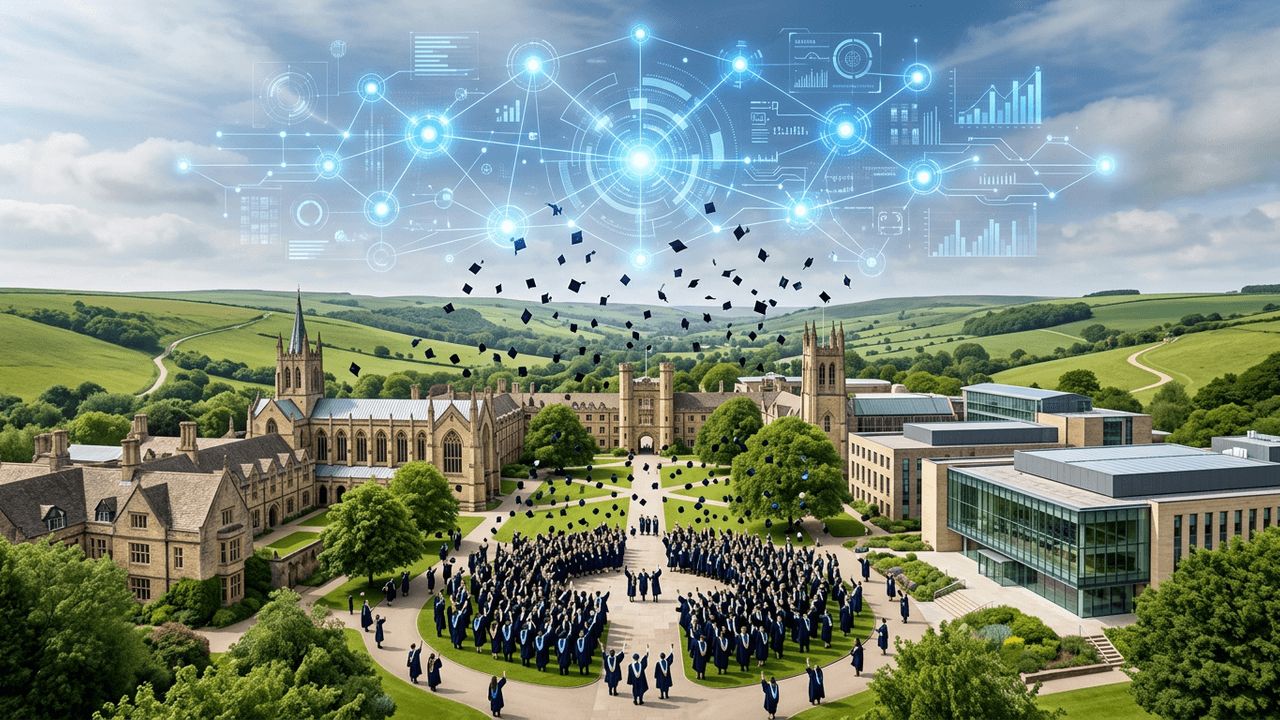
Higher Education Within Reach of Solihull
Solihull does not host a large traditional university campus, yet its residents enjoy some of the best higher education access in the UK. Within roughly an hour by train or car lie several major universities, including research-intensive institutions, strong teaching-focused universities and specialist providers. Degree-level courses are also delivered locally through university centre provision, allowing students to study without relocating.
This proximity has practical consequences. Students can live at home, reducing costs substantially, while still accessing world-class facilities. Employers in the borough benefit from a large graduate pool, and part-time and executive programmes are accessible to working professionals.
How to Compare Universities
Rankings provide a starting point but rarely tell the whole story. Course content varies significantly between institutions with similar reputations, so module lists deserve close reading. Graduate employment outcomes, placement year availability, contact hours, assessment style, accommodation costs and student satisfaction all influence experience. Visiting campuses is essential, since atmosphere is difficult to judge remotely.
1. University of Birmingham
A founding red brick university and Russell Group member, Birmingham combines research strength with a striking Edgbaston campus. It offers extensive subject breadth, from medicine and engineering to business and humanities, with strong graduate recruitment links. For Solihull students, direct rail access makes commuting feasible, and its reputation carries significant weight with employers internationally.
2. University of Warwick
Warwick is among the most prestigious universities in the UK, particularly renowned for mathematics, economics, engineering, business through Warwick Business School, and computer science. Its campus near Coventry is accessible from Solihull, and its research output and graduate outcomes place it consistently in national and global top tiers.
3. Aston University
Aston has built a distinctive reputation around employability, with integrated placement years embedded across many programmes. Located in central Birmingham, it is strong in engineering, business, pharmacy, optometry and computer science. Students value the professional orientation and the close relationships with employers that placements create.
4. Birmingham City University
BCU offers practice-focused education across art and design, media, healthcare, education, computing and business, with notable strength in creative disciplines through its conservatoire and school of media. Modern facilities and industry-standard equipment support hands-on learning, and its city location provides extensive placement opportunities.
5. Coventry University
Coventry has invested heavily in teaching quality and student experience, with strengths in engineering, automotive design, health and business. Its flexible study options, including two-year accelerated degrees and part-time routes, appeal to students balancing work and study. Solihull residents reach it easily by rail.
6. University of Warwick and Solihull College University Centre Provision
Locally delivered higher education allows students to study degree and foundation degree courses within the borough, validated by partner universities. This route suits students with work or caring commitments, offering smaller class sizes, lower travel costs and strong individual support while still achieving recognised qualifications.
7. Newman University
Newman University in Birmingham is a smaller institution with strong reputations in teacher training, social work, psychology and health-related courses. Its scale means a close-knit community and high levels of personal contact with academic staff, which some students find far preferable to large campus anonymity.
8. University College Birmingham
UCB specialises in hospitality, culinary arts, tourism, business and childhood studies, with practical training facilities including professional kitchens and salons. Its vocational orientation produces graduates who are immediately effective in industry, and its links with the region's substantial hospitality and events sector are extensive.
9. University of Wolverhampton
Wolverhampton offers a wide portfolio with particular strengths in engineering, health, education and business, alongside a strong widening participation mission. Its emphasis on supporting students from diverse backgrounds and its regional campuses make higher education accessible to those who might not otherwise pursue it.
10. Open University
For working professionals and those with family commitments, the Open University remains an outstanding option. Fully flexible distance learning allows study around employment, with modular pacing and extensive tutor support. Many Solihull residents complete degrees and postgraduate qualifications this way while continuing careers uninterrupted.
Living at Home Versus Moving Away
Solihull's location makes commuting a genuinely viable strategy. Living at home can save a substantial sum each year in accommodation costs, reducing overall debt considerably. The trade-off is a different social experience and time spent travelling.
Students who commute successfully tend to be deliberate about involvement: joining societies, staying on campus between lectures and building friendships rather than travelling home immediately after classes. Universities increasingly recognise commuter students and provide dedicated spaces and support.
Trends in Higher Education
Degree apprenticeships have become a significant alternative, allowing students to gain a degree while employed and with tuition funded by employer and government contributions. In engineering, digital, accountancy and healthcare, these routes are highly competitive and attractive.
Employability integration has intensified, with placements, live projects and industry certifications embedded in curricula. Meanwhile, flexible delivery, including blended learning and accelerated degrees, offers alternatives to the traditional three-year residential model.
Postgraduate study is also growing as graduates seek differentiation in competitive markets, with taught masters programmes and professional qualifications increasingly common.
Practical Advice for Applicants
Research course structure rather than course title. Two degrees with identical names can differ enormously in mathematical content, assessment weighting or placement provision. Attend open days and ask about contact hours, class sizes and how dissertations are supervised.
Prepare personal statements around evidence rather than enthusiasm alone, referencing specific reading, projects or experience. For competitive courses, admissions tests and interviews require dedicated preparation started well in advance. Finally, model finances realistically, including travel, materials and living costs, before committing.
Final Thoughts
Solihull's greatest higher education advantage is choice without relocation. Russell Group research universities, employability-focused institutions, specialist providers and flexible distance learning are all within practical reach. Students who select based on course content, teaching style and outcomes rather than reputation alone consistently report the strongest experiences and career results.
Want your brand featured in front of decision-makers? Publish a guest post or get a link insertion in our guides through AAMAX's guest post and link insertion service.
Helpful Links
 SponsoredAAMAX — Full-Service Digital Agency
Write for Us
Share your expertise with our readers. We welcome guest contributions from industry specialists.
Pitch your idea