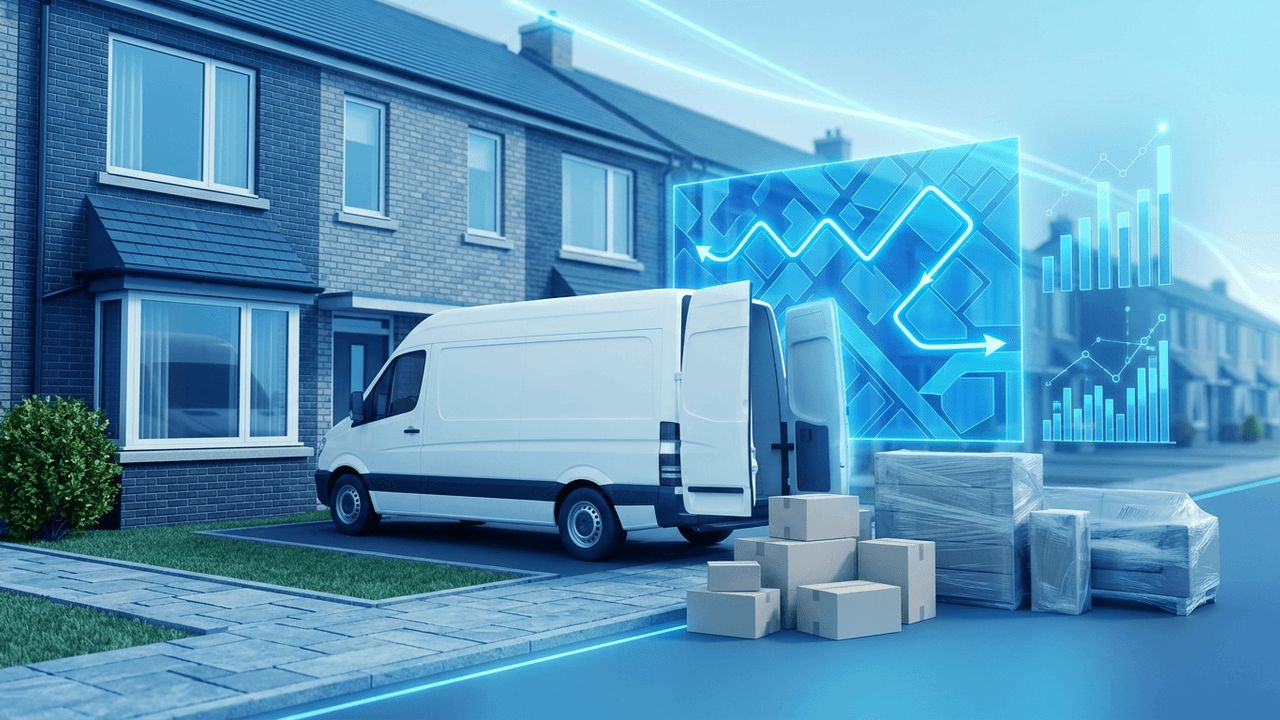
When Recovery Becomes Urgent
Vehicle recovery is a service nobody researches until they need it, which is precisely why it is worth understanding in advance. A breakdown is stressful, often unsafe, and always inconvenient. The quality of the operator who responds determines whether the situation resolves in an hour or becomes a day-long ordeal with additional damage to the vehicle.
Swansea presents particular recovery challenges. The M4 corridor carries heavy traffic at speed, and roadside breakdowns there require operators trained in motorway working, correct signage, and safe casualty vehicle handling. The Gower peninsula has narrow, hedge-lined lanes where a standard flatbed simply cannot manoeuvre, demanding smaller specialist equipment and local route knowledge. City centre multi-storey car parks impose height restrictions that rule out conventional recovery vehicles entirely. Valley roads north of the city combine steep gradients with limited turning space.
An operator who understands these conditions is worth considerably more than one offering the lowest call-out rate.
Types of Recovery Service
Flatbed recovery is the gold standard for most situations. The vehicle is winched entirely onto a level platform, meaning no wheels turn during transport. This is essential for all-wheel-drive vehicles, automatics, electric vehicles, low-slung cars, and any vehicle with transmission or wheel damage.
Spec-lift or wheel-lift recovery raises one axle while the other rolls. Cheaper and more manoeuvrable, but unsuitable for many modern vehicles where towing on driven wheels causes transmission damage. A competent operator will ask about drivetrain before choosing method.
Roadside assistance aims to fix the fault in place — jump starts, fuel delivery, tyre changes, lockout access, minor electrical repairs. Where viable, this is faster and cheaper than recovery, and good operators attempt it first.
Specialist recovery covers heavy vehicles, accident-damaged casualties requiring careful extraction, off-road retrieval, and increasingly electric vehicles, where damaged battery packs present fire risk and require specific handling protocols and sometimes containment.
Ten Reliable Swansea Recovery Operators
1. Swansea Bay Recovery — A well-established operator covering the city and surrounding region with a mixed fleet of flatbeds and lighter units. Round-the-clock availability and motorway-competent crews. Known for realistic arrival estimates rather than optimistic promises.
2. Gower Vehicle Recovery — Specialists in the peninsula's demanding lane network, operating compact recovery equipment capable of reaching locations larger vehicles cannot. Local route knowledge genuinely reduces response times in an area where satellite navigation frequently misleads.
3. M4 Corridor Rescue — Focused on motorway and trunk road incidents, with crews trained in high-speed carriageway safety procedures and equipment for rapid clearance. Relevant for the substantial commuter population travelling east and west from Swansea daily.
4. Morriston Breakdown Services — A north Swansea operator with strong local standing, offering both roadside repair and full recovery. Practical strength is diagnostic capability at the roadside, which resolves a meaningful proportion of call-outs without transport.
5. Tawe Valley Recovery — Covering the valley communities, with equipment and experience suited to steep gradients and rural access. Also handles agricultural and off-road retrieval, a distinct skill involving winching and ground protection.
6. Enterprise Park Commercial Recovery — Heavy vehicle specialists serving vans, light trucks, and commercial fleets. Commercial downtime is expensive, and operators geared toward business customers typically offer priority response and load transfer capability.
7. Mumbles and Coastal Recovery — Serving the seafront and coastal areas, including situations complicated by sand, tide, and restricted promenade access. Experience in these conditions prevents the secondary damage inexperienced recovery can cause.
8. Llansamlet Auto Rescue — Well positioned for eastern Swansea and the industrial estates, with quick access to major routes. Offers accident recovery alongside breakdown work, including liaison with insurers and approved repairers.
9. Bay EV Recovery Specialists — Focused on electric and hybrid vehicle recovery, with training in high-voltage isolation, correct flatbed-only transport, and damaged battery handling. As electric vehicle numbers grow across Swansea, this specialism is becoming essential.
10. Cwmbwrla 24 Hour Recovery — A community-focused operator known for responsiveness and fair pricing on local jobs. Suited to straightforward city recoveries where speed and cost matter more than specialist equipment.
Choosing an Operator
Verify insurance and licensing. Legitimate operators carry goods-in-transit cover protecting your vehicle during recovery, plus appropriate public liability. Ask directly; reputable firms answer without hesitation.
Confirm equipment suitability before dispatch. Tell the operator your vehicle's drivetrain, whether it is electric, whether it has suffered damage, and where exactly it is located including any access constraints. An operator who asks these questions unprompted is demonstrating competence.
Understand pricing structure. Recovery charges typically combine a call-out fee with mileage, and rates rise for overnight, weekend, motorway, and specialist work. Get a total estimate rather than a base rate, and confirm payment methods before the vehicle is loaded.
Check destination flexibility. Some situations need recovery to a specific garage rather than the nearest one, and storage charges can accumulate if a vehicle sits at a recovery yard. Clarify this at the outset.
Practical Preparation
Keep recovery details accessible offline — a note in your wallet as well as your phone, since a flat phone battery during a breakdown is a common compounding problem. Record your vehicle's registration, make, model, and any distinguishing details for accurate dispatch.
Understand your existing cover. Many insurance policies, credit card packages, and manufacturer warranties include recovery, sometimes better than a standalone call-out. Knowing what you already hold avoids paying twice.
On breakdown, prioritise safety over the vehicle. Move to a safe position off the carriageway where possible, use hazard lights, deploy a warning triangle only where safe to do so, and on motorways leave the vehicle and move behind the barrier. No vehicle is worth roadside injury.
How the Sector Is Changing
Electric vehicle recovery is the most significant shift. Flatbed transport is mandatory, high-voltage isolation requires training, and thermal incident risk after collision demands specific protocols. Operators investing in this capability are pulling ahead.
Digital dispatch and live tracking have improved transparency considerably, letting customers see estimated arrival rather than waiting without information. Larger operators now treat this as standard.
Vehicle complexity has increased roadside repair difficulty, with software faults, immobiliser issues, and sensor failures often requiring diagnostic access. Operators carrying diagnostic equipment resolve more incidents without recovery, which benefits everyone.
Final Thoughts
Swansea's recovery sector covers everything from narrow Gower lanes to motorway incidents and electric vehicle specialisms. Identify a suitable operator before you need one, store the details somewhere you can reach them under stress, and prioritise equipment suitability and insurance over headline price. The cheapest recovery becomes expensive very quickly if the wrong method damages a transmission.
Want your brand featured in front of decision-makers? Publish a guest post or get a link insertion in our guides through AAMAX's guest post and link insertion service.
Helpful Links
 SponsoredAAMAX — Full-Service Digital Agency
Write for Us
Share your expertise with our readers. We welcome guest contributions from industry specialists.
Pitch your idea