Vehicle Recovery in a Rural County
Towing and recovery is one of those services nobody thinks about until it is urgently needed, and Norfolk's geography makes it more consequential here than in most places. The county has extensive rural road networks, long distances between settlements, and stretches where mobile signal remains unreliable. A breakdown on a single-track lane between villages presents a genuinely different challenge from one on a city street.
Norwich sits at the hub of this network, and the recovery operators based in and around the city cover a service area extending to the coast, the Broads, and the county boundaries. The better operators know these roads intimately, which matters when a location description amounts to a field entrance and a rough sense of direction.
The Different Types of Recovery Service
Roadside assistance attends to fix the vehicle in place, dealing with flat batteries, punctures, fuel problems, and minor mechanical faults. A high proportion of callouts are resolved this way without any towing.
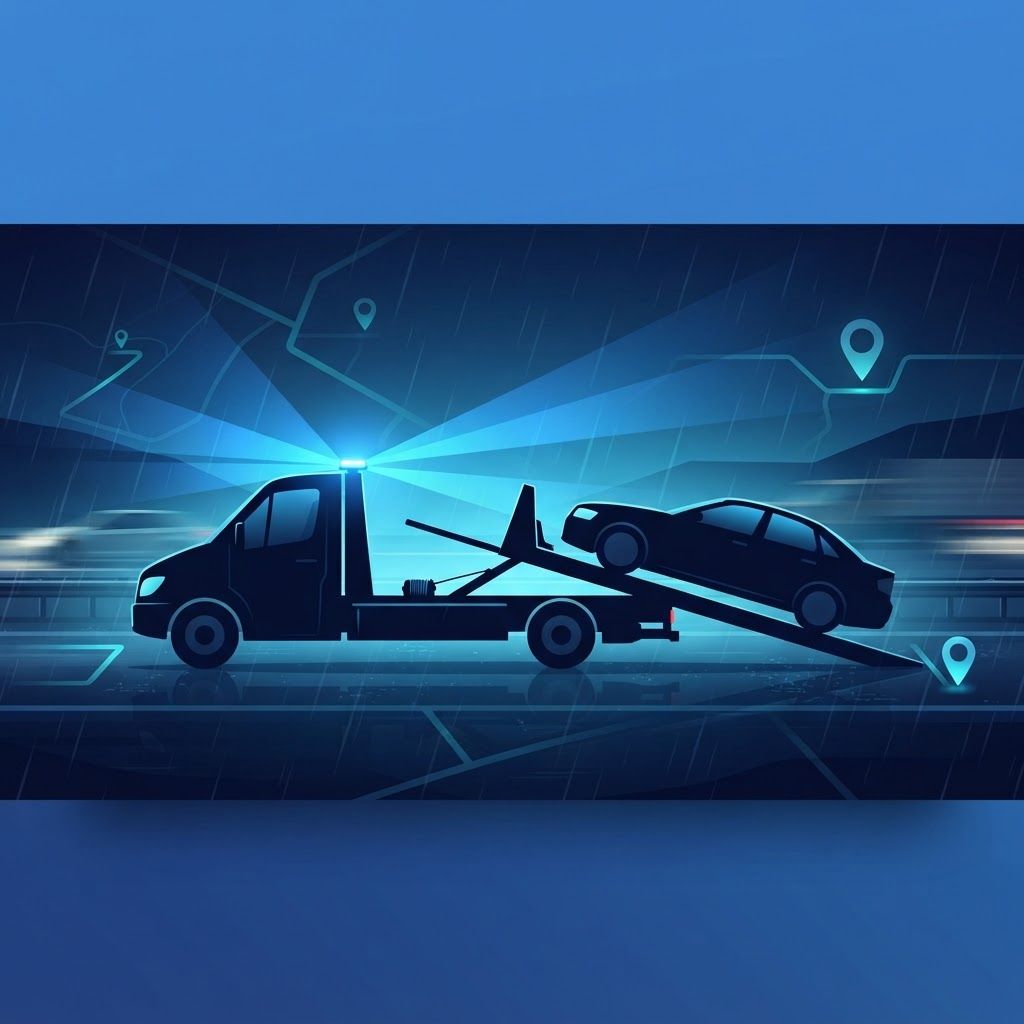
Flatbed recovery loads the entire vehicle onto a tilting bed. This is the safest method for all-wheel-drive vehicles, automatics, electric vehicles, low-slung cars, and anything with accident damage, because no wheels turn during transport.
Wheel-lift towing raises one axle and is quicker to deploy in tight spaces, suitable for many conventional vehicles over shorter distances.
Specialist recovery covers accident scenes, vehicles that have left the carriageway, water recovery from Norfolk's dykes and drainage channels, and heavy commercial vehicles. These require specific equipment and training.
The Ten Leading Towing Services in Norwich
1. Norwich Vehicle Recovery. A round-the-clock operator running flatbed and wheel-lift equipment across the city and surrounding area. Its dispatch system and local knowledge give it reliable response times even on rural callouts.
2. Anglia Roadside Rescue. Combines mobile roadside repair with recovery capability, meaning many callouts are resolved without towing at all. This dual capability usually works out cheaper for the customer.
3. Norfolk Accident Recovery. Specialises in incident recovery, working with insurers and handling damaged vehicles, spill containment, and scene clearance. Equipment and training here are geared to complex situations.
4. Broadland Recovery Services. Covers the Broads area and eastern Norfolk, including recovery from waterside locations and narrow rural lanes where larger vehicles cannot operate. Local geography knowledge is its main asset.
5. Eastern Heavy Haulage and Recovery. Handles commercial vehicles, trucks, agricultural machinery, and plant equipment requiring heavy-duty lifting. Norfolk's farming sector generates steady demand for this capability.
6. City Motorcycle Recovery Norwich. Focused on motorcycle recovery using appropriate strapping and cradles that prevent damage during transport. General recovery operators frequently lack the right equipment for bikes.
7. Norwich EV Recovery Specialists. Equipped and trained for electric and hybrid vehicle recovery, which must be done on a flatbed with high-voltage safety awareness. As Norfolk's electrified fleet grows this specialism has become essential rather than optional.
8. Norfolk Vehicle Transport. Provides planned rather than emergency transport, moving vehicles between locations for sales, restoration projects, and long-distance relocation, including enclosed transport for valuable cars.
9. Coastal Recovery Norfolk. Covers the north and east coastal routes, including recovery from beach access points and soft ground. Sand and shingle recovery needs particular equipment and experience.
10. Norwich Fleet Recovery Partners. Works on contract with businesses operating vehicle fleets, offering prioritised response and replacement vehicle coordination to minimise operational disruption.
What Recovery Costs and What Affects It
Pricing depends on distance, vehicle type, time of day, accessibility, and whether specialist equipment is needed. Callouts overnight, at weekends, and on public holidays cost more. Recovery from difficult positions, such as a vehicle off the carriageway in a ditch, involves winching and takes longer, which is reflected in the price.
Breakdown cover from a motoring organisation or through a bank account or insurance policy changes the economics entirely, and many drivers hold cover they have forgotten about. Checking existing policies before paying for an independent recovery is always worth the two minutes it takes.
When calling an independent operator, ask for a total price before agreeing, including any mileage charges beyond an initial radius. Reputable Norwich operators quote clearly.
Staying Safe While Waiting
On a dual carriageway or fast rural road, the safest position is usually out of the vehicle and behind a barrier, well away from the carriageway, with hazard lights on. The exception is where leaving the vehicle would require crossing live lanes.
On narrow Norfolk lanes the calculation differs. Visibility around bends is often poor, so positioning as far off the carriageway as possible and using hazard lights matters more than in open conditions. A high-visibility vest and a torch kept in the boot are genuinely useful in a county with extensive unlit roads.
Location accuracy speeds response substantially. Where road names are absent, note the nearest village, any landmark, and if possible use a smartphone location or the nearest driver location sign. Recovery operators lose significant time searching for vaguely described locations.
Preparing to Avoid Callouts
Most breakdowns are predictable. Battery failure accounts for a large share and clusters in cold weather, particularly on vehicles doing mainly short journeys around Norwich. A battery over four years old used for short trips is a reasonable candidate for pre-emptive replacement.
Tyre condition, including the spare or the repair kit, is the second most common cause. Checking pressures monthly and inspecting for damage takes minutes.
Fluid levels, particularly coolant and oil, prevent the most expensive failures. And for electric vehicles, planning charging with genuine margin matters more in rural Norfolk than in cities, where a missed charger is a minor inconvenience rather than a stranding.
Choosing an Operator in Advance
The best time to identify a recovery operator is before you need one. Saving the contact details of a reputable local operator, alongside your breakdown cover details, removes the need to make a judgement under stress at the roadside. Look for operators with appropriate insurance, membership of a recognised recovery trade body, and clear pricing, and be wary of anyone who arrives uninvited at an incident scene offering assistance.
Want your brand featured in front of decision-makers? Publish a guest post or get a link insertion in our guides through AAMAX's guest post and link insertion service.
Helpful Links
 SponsoredAAMAX — Full-Service Digital Agency
Write for Us
Share your expertise with our readers. We welcome guest contributions from industry specialists.
Pitch your idea