Towing in Highland: The Practical Realities
Highland's geography shapes its towing sector more than almost any other service industry. The region combines dense urban areas where recovery access is constrained by traffic and parking with extensive rural districts where a breakdown can leave a driver a long way from the nearest workshop, sometimes without reliable mobile coverage and in poor weather.
This creates specific requirements. Operators need genuine regional coverage rather than nominal service areas. They need equipment suited to varied recovery situations, from a flat battery in a car park to a vehicle off a rural verge in winter. And they need response times that are realistic rather than aspirational.
The distinction between towing and recovery matters. Towing moves a vehicle that is accessible and undamaged. Recovery extracts vehicles from ditches, embankments or collision positions, requiring winching equipment, trained operators and often traffic management. Not every operator does both competently.
1. Highland Towing and Recovery
The region's largest operator, Highland Towing and Recovery runs a mixed fleet of flatbeds, wheel-lift trucks and heavy recovery vehicles with genuine coverage across urban and rural districts.
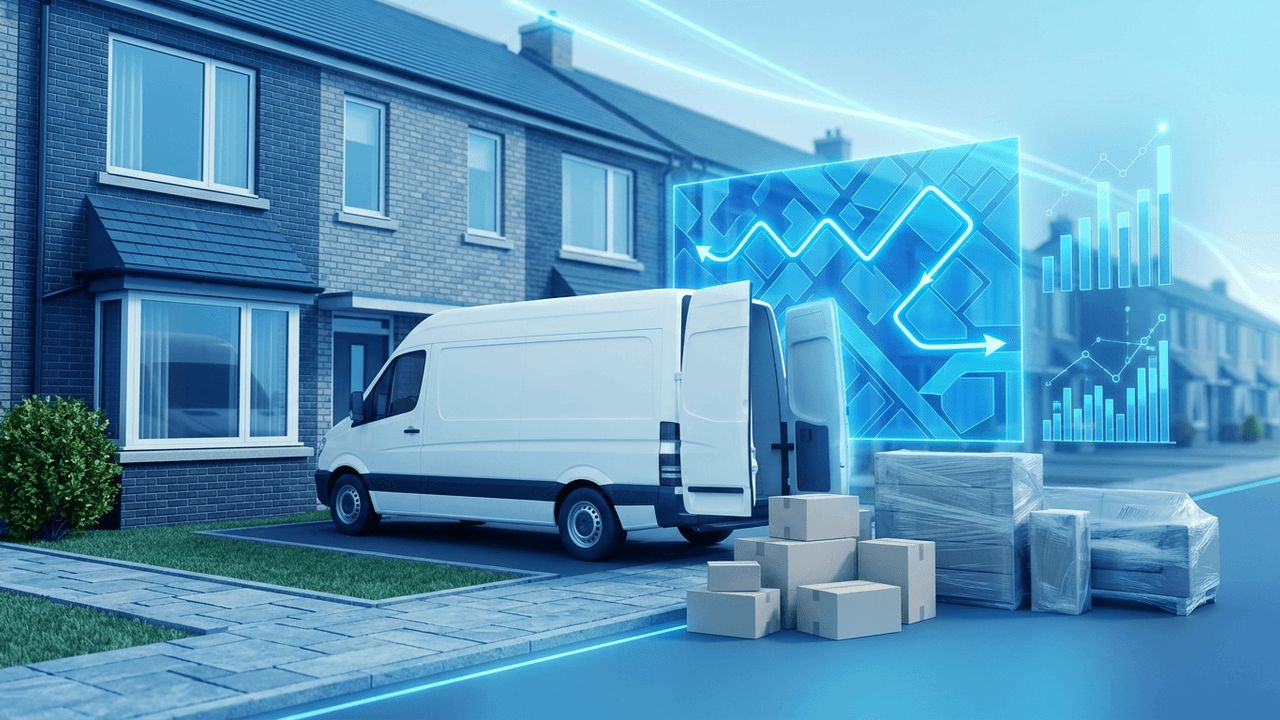
Its dispatch system is the operational advantage. Vehicle positions are tracked continuously, allowing the nearest suitable unit to be assigned rather than the next available one, which reduces response times materially. Operators are trained in recovery technique rather than simply licensed to drive, and the company carries appropriate insurance for vehicle damage during recovery.
2. Highland Emergency Roadside Assistance
Focused on getting vehicles moving rather than transporting them, this service handles jump starts, tyre changes, fuel delivery and lockouts.
Roadside resolution is faster and cheaper than towing when the fault permits it, and this operator diagnoses accurately enough to know when it does. When towing proves necessary, the service coordinates it rather than abandoning the customer, which is a meaningful distinction in practice.
3. Highland Flatbed Transport
Operating flatbed carriers exclusively, this service transports vehicles without any wheels touching the road, which matters for all-wheel-drive vehicles, lowered vehicles, electric vehicles and non-running classics.
Loading technique is careful, using appropriate strap points and low-angle ramps that avoid underbody contact. For valuable or delicate vehicles, this is the appropriate choice regardless of cost difference.
4. Highland Heavy Recovery
Handling trucks, buses, agricultural machinery and heavy plant, this operator runs equipment with the lifting and winching capacity that light recovery vehicles cannot provide.
Its capability in complex incidents, including overturned commercial vehicles and load recovery, is important regional infrastructure. Operators coordinate with authorities on road closures and work to documented safety procedures.
5. Highland Motorcycle Transport
Motorcycles require specific handling, and conventional towing frequently damages them. This service uses purpose-built trailers with wheel chocks and soft-strap securing.
For Highland's substantial riding community, particularly riders touring rural routes where breakdowns are inconvenient, the specialised provision is genuinely valuable.
6. Highland Accident Recovery Services
Specialising in collision scenes, this operator handles damaged vehicle extraction, scene clearance and debris management.
Its operators are trained to work alongside emergency services without compromising incident management, and the service handles insurance documentation competently, which reduces administrative burden on drivers dealing with the aftermath of a collision.
7. Highland Rural Recovery
Concentrating on Highland's outlying districts, this operator maintains vehicles positioned across rural areas rather than centralised in urban depots.
Response times in remote districts are consequently far better than centrally dispatched alternatives, and operators know local access routes, including unsealed tracks that mapping applications handle poorly. Off-road recovery equipment is standard rather than optional.
8. Highland Vehicle Transport Logistics
Handling planned rather than emergency movement, this service transports vehicles for dealerships, auctions, relocations and long-distance delivery.
Enclosed transport is available for valuable vehicles, and scheduling is reliable, which for commercial clients is the primary requirement.
9. Highland Urban Towing
Working within dense urban constraints, this operator uses compact recovery vehicles capable of extracting vehicles from multi-storey car parks, narrow streets and underground facilities.
Its equipment and technique address situations where standard tow trucks simply cannot gain access, and operators are experienced in low-clearance work.
10. Highland Winter Recovery Services
Operating with particular focus on cold-weather incidents, this service handles vehicles stuck in snow, ice-related slides and cold-start failures.
Equipment includes traction aids, winching capacity and heated recovery provision, and operators understand the specific hazards of working on ice-affected road surfaces.
What to Check Before You Need Towing
Establish coverage before an incident. Confirm whether your insurance or manufacturer warranty includes recovery, what limits apply, and which operators are approved. Calling an unapproved operator may forfeit reimbursement.
Ask about insurance for damage during transit. Reputable operators carry cover for vehicles in their custody and will confirm it readily. Operators who deflect the question should be avoided, because towing damage is not uncommon and recourse without cover is difficult.
Request pricing structure in advance: call-out fee, per-distance rate, waiting time and any surcharge for out-of-hours or difficult access. Ambiguous pricing at the point of a breakdown, when you have little leverage, frequently ends badly.
Specify flatbed transport when your vehicle requires it. All-wheel-drive and electric vehicles can suffer drivetrain damage from conventional two-wheel towing, and the operator will not necessarily know your vehicle's requirements.
Final Thoughts
Highland's towing sector includes genuinely professional operators with appropriate equipment and regional coverage. Identify a suitable operator and store the number before you need it, because researching options while stranded on a rural road in poor weather produces worse decisions. Match the operator to your vehicle type and location, and confirm insurance and pricing terms in advance.
Want your brand featured in front of decision-makers? Publish a guest post or get a link insertion in our guides through AAMAX's guest post and link insertion service.
Helpful Links
 SponsoredAAMAX — Full-Service Digital Agency
Write for Us
Share your expertise with our readers. We welcome guest contributions from industry specialists.
Pitch your idea