Towing in Halton Region
Halton Region carries an enormous volume of traffic. The QEW crosses Burlington and Oakville, Highway 401 runs through Milton and Halton Hills, and Highway 407 cuts diagonally across the region. Add dense arterial corridors along Dundas Street, Trafalgar Road and Guelph Line, plus rural concessions where cellular coverage can be inconsistent, and the result is a region with constant demand for professional towing and roadside assistance.
Ontario has substantially reformed towing regulation in recent years. The province now operates a certification framework requiring tow operators and vehicle storage operators to hold provincial certificates, carry adequate insurance, provide clear rate disclosure and obtain consent before towing. For consumers, this means a legitimate operator should always be able to identify themselves, explain charges in advance and provide an itemized invoice. Understanding these protections is the first step in choosing well.
1. Light Duty Towing Operators
Light duty towing covers passenger cars, small SUVs, crossovers and light pickups, which represents the overwhelming majority of calls in Halton. Operators use flatbed carriers or wheel lift trucks. Flatbeds are generally preferable because they lift all four wheels off the road, which is essential for all wheel drive vehicles, low clearance sports cars and electric vehicles where wheel rotation can damage drivetrain components. When calling, specify your drivetrain and ground clearance so the dispatcher sends appropriate equipment.
2. Heavy Duty and Commercial Towing
Heavy duty operators recover transport trucks, buses, motorhomes, construction equipment and commercial trailers. Given the volume of freight moving through the Milton intermodal corridor and along Highway 401, this capability is critical to keeping Halton's logistics network moving. These providers operate rotator units, heavy wreckers and specialized rigging, and their crews train in load stabilization and cargo transfer. Response involves coordination with police and ministry personnel during highway incidents.
3. Roadside Assistance and Battery Service Providers
Many calls do not require towing at all. Roadside assistance providers handle battery boosting and replacement, tire changes, fuel delivery, lockout service and minor mechanical intervention. Resolving a problem at the roadside is faster and far cheaper than a tow, and quality operators attempt this first when practical. Halton sees a pronounced spike in battery calls during the first severe cold snap each winter, when marginal batteries fail simultaneously across the region.
4. Accident Recovery and Collision Towing
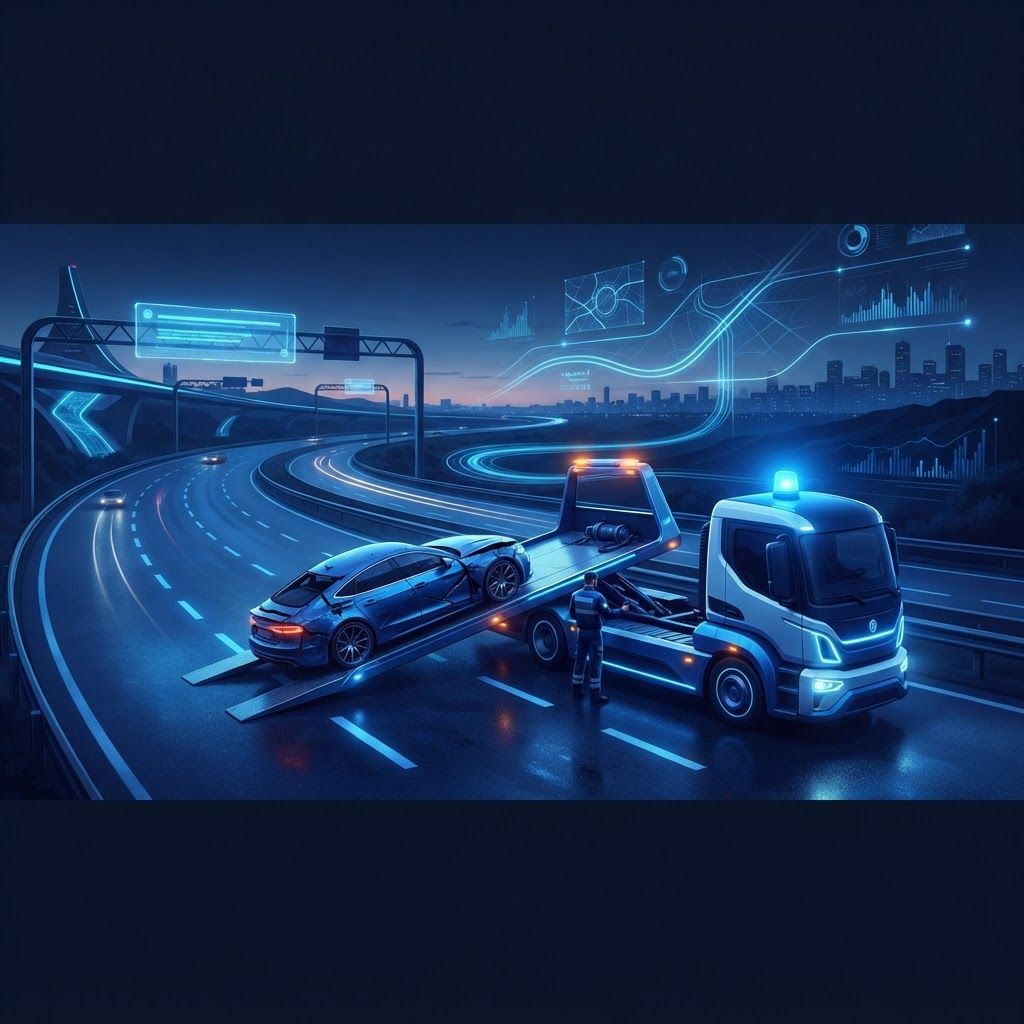
Collision towing requires additional skill because damaged vehicles may have locked wheels, deployed airbags, leaking fluids or compromised structures. Professional recovery operators secure the scene, manage fluid containment and load vehicles without causing further damage. In Ontario, you have the right to choose where your vehicle is taken after a collision. Directing it to a storage facility or body shop of your choosing, rather than accepting a default destination, avoids escalating storage fees and preserves your control over the repair process.
5. Motorcycle Towing Specialists
Motorcycles require entirely different handling. Proper motorcycle transport uses a flat deck with a front wheel chock and soft strap tie downs applied to the frame or triple clamps, never over painted or chromed surfaces. Given Halton's active riding community on escarpment routes, specialist motorcycle recovery is a meaningful service. Operators experienced with motorcycles also understand how to move a bike with a seized engine or damaged front end without causing cosmetic damage.
6. Electric Vehicle Towing Services
Electric vehicle adoption across Oakville, Burlington and Milton has created demand for operators trained in high voltage safety. Electric vehicles generally must be transported on a flatbed because the drive motors generate current when wheels rotate, which can damage the inverter. Operators also need to know the manufacturer specified tow mode procedures, correct lifting points to avoid battery pack damage, and thermal event protocols. Some providers now offer mobile charging as an alternative to towing a depleted vehicle.
7. Long Distance and Vehicle Transport Services
Beyond emergency towing, transport providers move vehicles between cities and provinces. This serves Halton residents relocating, collectors moving classic and show vehicles, dealerships transferring inventory and buyers importing purchases from other markets. Enclosed transport protects high value vehicles from weather and road debris, while open carriers offer economical multi vehicle transport. Proper providers carry cargo insurance specifically covering vehicle transport.
8. Private Property and Parking Enforcement Towing
Property management companies across Halton's condominium and commercial sectors contract towing for unauthorized parking. Ontario regulations require clear signage, proper authorization and adherence to rate disclosure rules. Legitimate operators in this category maintain documented procedures and photographic records. Vehicle owners should know they are entitled to request identification and an itemized invoice, and that regulated maximum fees apply in many circumstances.
9. Off Road and Winch Out Recovery
Halton's rural areas, agricultural properties and conservation lands generate regular calls for vehicles stuck in mud, snow, ditches or soft shoulders. Winch out recovery is distinct from towing and requires appropriate anchoring, recovery rigging and understanding of load angles. Winter creates the highest demand, particularly along rural concession roads north of Milton and through Halton Hills where drifting snow closes shoulders quickly.
10. Fleet and Contract Towing Services
Businesses operating vehicle fleets across Halton benefit from contracted towing arrangements offering priority response, negotiated rates, consolidated invoicing and coordination directly with preferred repair facilities. For logistics, trades and service companies where a stranded vehicle represents lost revenue hourly, guaranteed response times deliver real operational value.
How to Protect Yourself When Calling a Tow
Move to safety first, activating hazard lights and exiting away from traffic when on a highway shoulder. Call your insurer's roadside program or a provider you select yourself rather than accepting unsolicited assistance that arrives at a collision scene. Confirm the total cost including hook up fee, per kilometre rate and any storage charges before authorizing service. Verify the operator holds provincial certification. Photograph your vehicle before loading, and never sign a blank authorization form or one you have not read.
Industry Trends
Ontario's certification framework has raised professional standards meaningfully across the sector. GPS dispatch and customer facing tracking have become common, letting stranded drivers see arrival times. Electric vehicle handling training is expanding rapidly. Automatic collision notification built into modern vehicles increasingly triggers assistance before the driver calls. And roadside worker safety legislation requiring drivers to slow down and move over for stopped tow trucks has become a major industry advocacy focus.
Final Thoughts
The best time to choose a towing provider in Halton is before you need one. Store a trusted number in your phone, understand what your insurance and manufacturer roadside programs cover, and know your rights around vehicle destination and fee disclosure. Preparation turns a stressful roadside situation into a manageable inconvenience.
Want your brand featured in front of decision-makers? Publish a guest post or get a link insertion in our guides through AAMAX's guest post and link insertion service.
Helpful Links
 SponsoredAAMAX — Full-Service Digital Agency
Write for Us
Share your expertise with our readers. We welcome guest contributions from industry specialists.
Pitch your idea