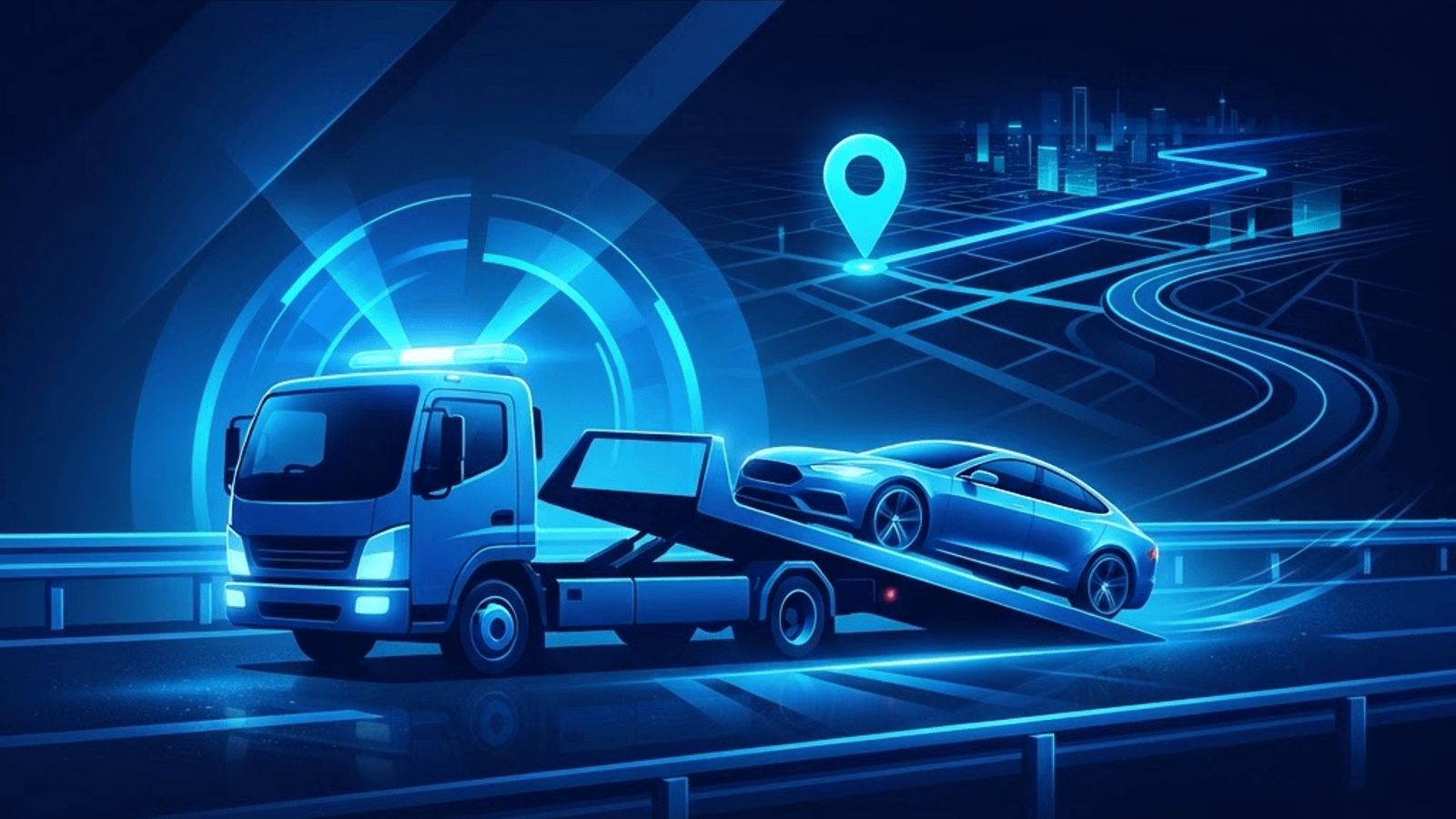
Vehicle Recovery in the Gedling Area
Gedling borough's road network combines busy urban routes through Arnold and Carlton, the A612 corridor along the Trent valley, rural lanes north towards Calverton and Woodborough, and easy access to the wider trunk road and motorway network via Nottingham. Each presents different recovery challenges.
An immobilised vehicle on a residential street in Netherfield is a straightforward job for a single operator. The same vehicle on a narrow lane near Lambley, or on a busy dual carriageway at rush hour, requires different equipment, traffic management and greater urgency. The operators who serve the area well are equipped for all of these scenarios.
Breakdown Cover Providers
For most motorists, the first call is to a breakdown organisation. The major national providers operate extensive patrol networks and contract with local recovery operators to supplement their own coverage, which means that even when you call a national brand, the vehicle that arrives in Gedling may well belong to a local independent working under contract.
Cover levels differ significantly and are worth understanding before you need them. Roadside assistance covers repair at the scene or recovery to a nearby garage. National recovery takes the vehicle, driver and passengers to any single destination in the country, which matters enormously if you break down far from home. Home start covers failures at your own address, which is where a surprising proportion of breakdowns occur, typically flat batteries on winter mornings. Onward travel provides a hire car, accommodation or public transport when the vehicle cannot be repaired the same day.
Cover can be attached to the vehicle or to the person. Personal cover follows you regardless of which car you are travelling in, which suits households with multiple vehicles or people who frequently drive others' cars.
Many motorists already hold cover without realising it. Manufacturer warranties on new cars typically include roadside assistance, some bank accounts bundle it, and certain insurance policies include it as an extension. Checking before buying separate cover avoids paying twice.
Independent Recovery Operators
Alongside the national organisations, the Nottingham area supports a strong independent recovery sector. These operators run flatbed transporters, spec-lift units and heavy recovery vehicles, and they serve several markets: motorists without cover, insurance and accident recovery, police-instructed removals, garage-to-garage vehicle movement, and specialist transport of classic, low-clearance or non-running vehicles.
Independents are typically the best option for planned movements. Transporting a project car between addresses, delivering a vehicle purchased at auction, or moving a machine that has failed an MOT to a specialist workshop are all jobs where an independent flatbed operator offers better value and flexibility than a breakdown organisation.
Many operate twenty-four hours, which matters for overnight breakdowns. Response times from a local independent are frequently faster than a national provider at peak periods, simply because they are based nearby rather than allocated from a national dispatch queue.
Types of Recovery Equipment
Understanding the equipment helps you request the right service. A flatbed or tilt-and-slide transporter carries the vehicle entirely off the ground, which is essential for four-wheel drive vehicles, most automatics, electric vehicles, and anything with damaged wheels or suspension. It is also the safest option for valuable, low or modified cars.
A spec-lift or wheel-lift raises one axle while the other rolls. It is quicker to deploy and works in tight spaces, but it is unsuitable for many modern vehicles where towing with driven wheels on the ground causes transmission damage. Always tell the operator the drivetrain type when you call.
Heavy recovery units handle vans, trucks and buses, and specialist units deal with overturned vehicles and off-road extraction, which is relevant on the borough's rural fringes in winter.
Electric Vehicle Recovery
Electric vehicles require particular care. They must generally be transported on a flatbed, as towing with wheels turning can damage the drive motor or generate current in the system. Operators need awareness of high-voltage safety, isolation procedures and the correct handling of a vehicle involved in a collision where battery damage is possible.
The most common electric vehicle recovery call is simply running out of charge, and some operators now carry mobile charging units capable of providing enough energy to reach a charge point. As adoption grows across the borough, this capability is becoming more widely available.
What to Look For in a Recovery Operator
Proper insurance is non-negotiable. Motor trade road risk cover and goods in transit insurance protect your vehicle while it is in their custody. Ask, and expect a clear answer.
Trade body membership and participation in recognised recovery schemes indicate professional standards and provide a complaints route. Equipment condition tells you a lot: a well-maintained, clean transporter with proper straps and soft-strap wheel restraints suggests an operator who cares about the vehicles they carry.
Clear pricing before dispatch avoids the most common complaint in the sector. Reputable operators quote based on distance, vehicle type and time of day, and confirm before attending. Be cautious of operators who will not quote until they arrive.
What to Do When You Break Down
On a motorway or dual carriageway, get the vehicle as far left as possible, exit from the passenger side, and move behind the barrier. Do not attempt repairs. Use the emergency telephone if available, as it identifies your location precisely.
On ordinary roads, use hazard lights, place a warning triangle at a safe distance where conditions permit, and position yourself away from traffic. Note your location accurately using a nearby house number, a junction name or a mapping application, as this is the single biggest factor in response time.
Have your policy number, vehicle registration, and details of the fault ready. Mention immediately if there are children, vulnerable passengers or animals in the vehicle, as this affects prioritisation.
Final Thoughts
Recovery provision serving Gedling is comprehensive, combining national breakdown organisations with a capable local independent sector operating around the clock. The best preparation is to hold appropriate cover at the right level before you need it, understand what your policy actually includes, and keep the number of a trusted local flatbed operator for the jobs that breakdown cover does not handle.
Want your brand featured in front of decision-makers? Publish a guest post or get a link insertion in our guides through AAMAX's guest post and link insertion service.
Helpful Links
 SponsoredAAMAX — Full-Service Digital Agency
Write for Us
Share your expertise with our readers. We welcome guest contributions from industry specialists.
Pitch your idea