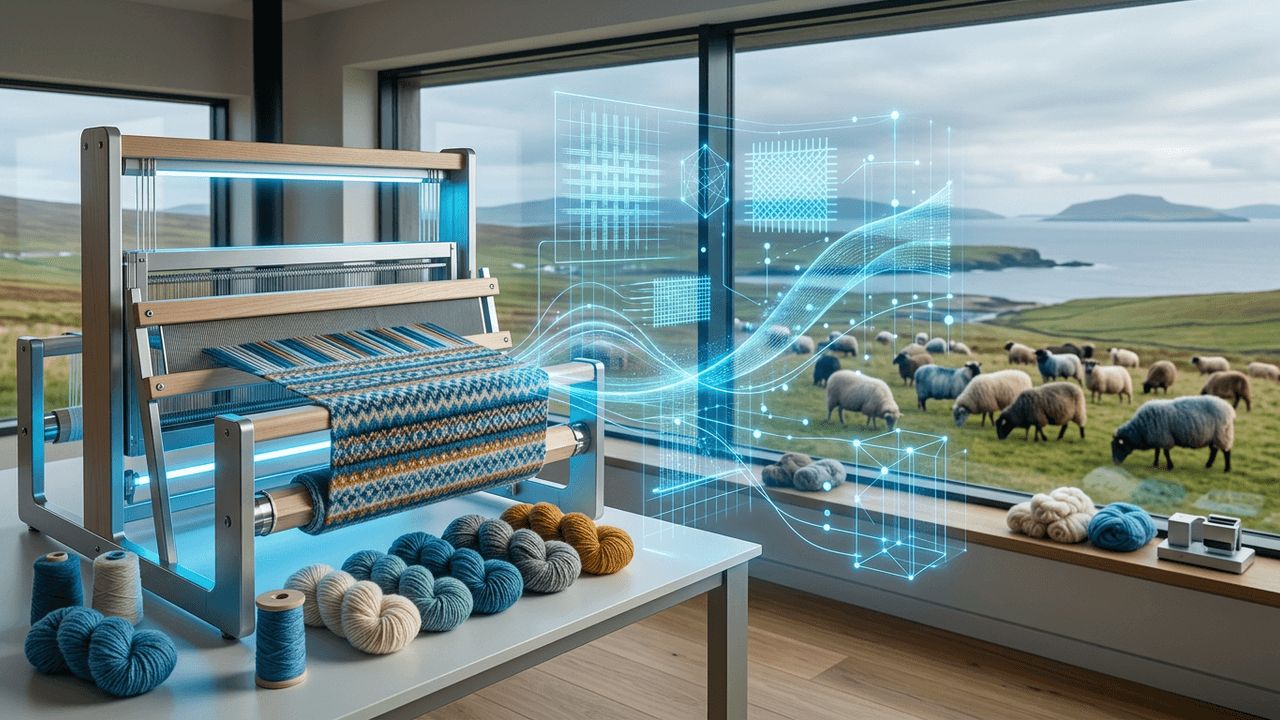
A Textile Heritage Woven into Island Life
Few places have a textile identity as strong as the Shetland Islands. For centuries, the fine fleece of the native Shetland sheep has been spun, knitted and woven into garments known for warmth, lightness and durability. The intricate colour-work patterns of Fair Isle knitting and the delicate lace shawls of Unst were once essential sources of income for island families. Today they are celebrated by designers, collectors and knitters worldwide.
Shetland's textile industry today combines heritage with modern design. Traditional spinning mills work alongside independent designers, weavers and small makers who sell to customers around the world. Events such as Shetland Wool Week draw visitors from many countries and have greatly raised the profile of local manufacturers. Here are ten of the most respected names in Shetland textiles.
What Makes Shetland Wool Special
Shetland sheep are a small, hardy native breed that has adapted to the harsh island climate. Their fleece is fine, soft and naturally springy, and comes in a wide range of natural shades from white and grey to moorit brown and black. This variety of natural colour, combined with the wool's excellent insulation, has made genuine Shetland wool a sought-after premium fibre.
The Top 10 Textile Manufacturers in Shetland Islands
1. Jamieson's of Shetland
Jamieson's is one of the best-known names in Shetland textiles. The family business has been associated with island wool for well over a century. Its spinning mill in Sandness, on the west side of Shetland, produces yarns from native wool in a huge palette of shades. Jamieson's knitwear and yarns are stocked by retailers and loved by hand-knitters around the world.
2. Jamieson and Smith (Shetland Wool Brokers)
Based in Lerwick, Jamieson and Smith buys wool directly from crofters across the islands, grading and sorting the fleece before it is spun. Its long relationship with local sheep farmers makes it a key part of the Shetland wool supply chain. Its yarns are favourites for traditional Fair Isle and lace knitting.
3. Global Yell
Global Yell is a weaving and textile centre on the island of Yell. It focuses on handweaving, design training and creative textile projects. It supports emerging makers and helps keep weaving skills alive in the North Isles, producing distinctive woven cloth inspired by Shetland's landscape.
4. Mati Ventrillon
Based on Fair Isle itself, Mati Ventrillon creates knitwear in the island's traditional patterns. Her work has drawn international attention, and she has been a vocal advocate for protecting authentic Fair Isle design from mass-produced imitation.
5. Donna Smith Designs
Donna Smith Designs produces contemporary knitwear that blends traditional Shetland techniques with modern shapes and colourways. Her pieces show how island heritage can be reinterpreted for current fashion while keeping its craft integrity.
6. Nielanell
Nielanell is a knitwear studio in Hoswick that creates sculptural, fashion-forward garments using Shetland wool and other natural fibres. Its distinctive design approach brings a boutique, art-focused feel to the island textile scene.
7. Anderson and Co
Anderson and Co has long been associated with Shetland knitwear in Lerwick. It offers classic Fair Isle and Shetland garments to locals and visitors. Its reputation for authentic island-made knitwear has made it a trusted name for generations.
8. Fair Isle Crafts
The tiny community of Fair Isle has a long tradition of producing authentic hand-framed knitwear through cooperative efforts. These garments are made in small quantities, are highly collectable and keep the island's world-famous patterns tied to the place where they began.
9. Shetland Knitwear Trades Association Members
The Shetland Knitwear Trades Association brings together island-based knitwear makers who meet quality and provenance standards. Buying from member businesses gives customers confidence that their garments are genuinely made in Shetland.
10. Shetland Wool Week Makers Network
Shetland Wool Week is an annual celebration, not a single manufacturer, but it has created a lively network of small makers, dyers and designers who sell their work during the event and all year round. It has become a launchpad for new textile businesses on the islands.
Trends in the Shetland Textile Industry
- Provenance and authenticity: Buyers increasingly want proof that garments are genuinely made in Shetland from local wool.
- Slow fashion: Durable, repairable knitwear fits growing consumer interest in sustainable clothing.
- Craft tourism: Workshops, mill visits and Wool Week events bring visitors directly to makers.
- Digital sales: Small island businesses now reach global customers through online channels and social media.
- Skills preservation: Schools, heritage groups and makers are working to pass hand-knitting and weaving skills to younger generations.
How to Choose Authentic Shetland Textiles
When buying Shetland textiles, look for clear information about where the wool was sourced and where the garment was made. Ask whether pieces are hand-knitted, hand-framed or machine-knitted, since each has a different character and price. Supporting island-based makers directly helps protect the crofting communities that produce the wool.
Conclusion
The textile manufacturers of the Shetland Islands carry a tradition that is as much about community and identity as commerce. From the mill at Sandness to the knitters of Fair Isle, these ten names are why Shetland wool and knitwear stay in such demand around the world. Choosing their products means investing in quality, heritage and a craft that has survived for centuries on the edge of the North Atlantic.
Want your brand featured in front of decision-makers? Publish a guest post or get a link insertion in our guides through AAMAX's guest post and link insertion service.
Helpful Links
 SponsoredAAMAX — Full-Service Digital Agency
Write for Us
Share your expertise with our readers. We welcome guest contributions from industry specialists.
Pitch your idea