Manchester's Rich Textile Heritage
Manchester's textile industry has been the lifeblood of the city since the Industrial Revolution, establishing the foundation upon which modern British manufacturing was built. This storied heritage continues today with the city maintaining its position as a global center for textile excellence. The top textile manufacturers in Manchester honor this legacy while embracing contemporary manufacturing practices, sustainable production methods, and innovative design approaches. These companies combine generations of textile expertise with modern technology to create products that meet international quality standards and consumer expectations. From luxury fabrics to functional textiles, Manchester's manufacturers continue to demonstrate why the city earned its reputation as the textile capital of the world.
Innovation in Production Techniques
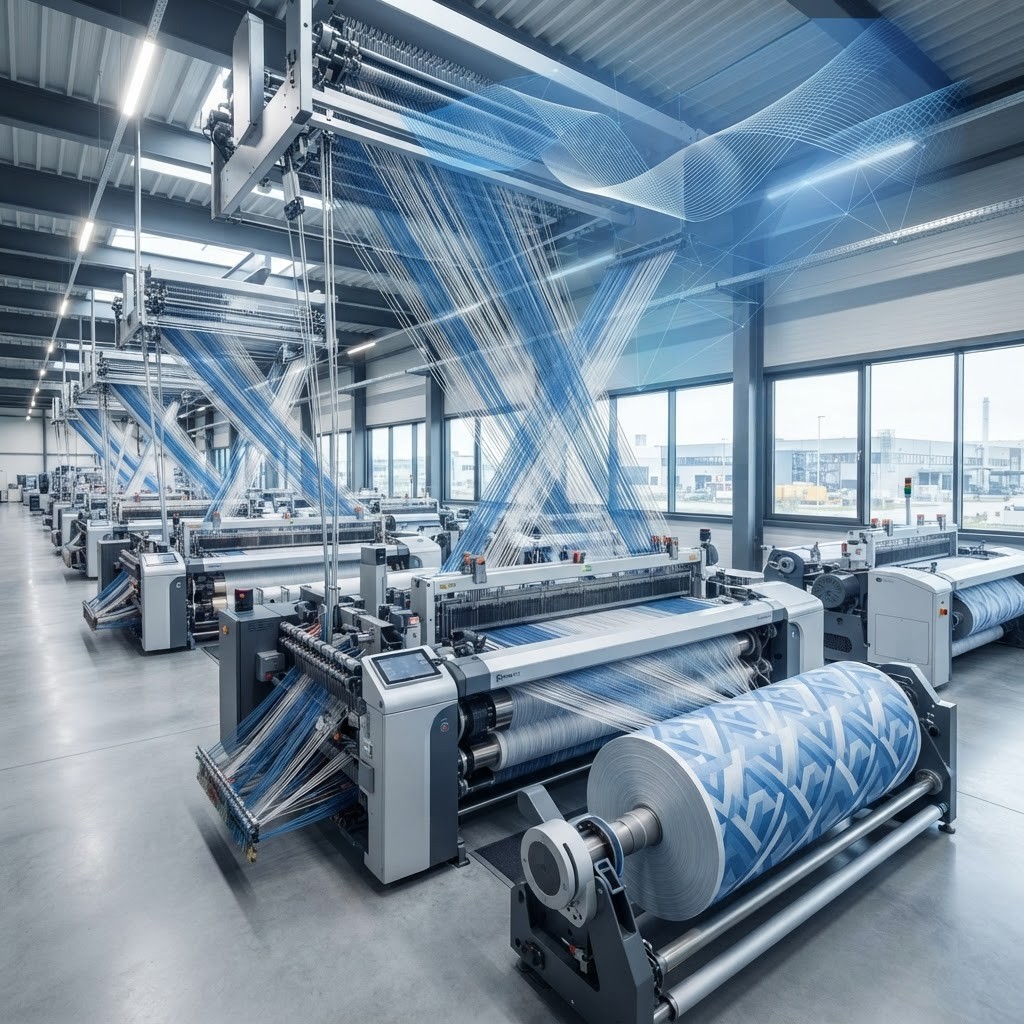
Modern textile manufacturers in Manchester leverage advanced technologies that honor traditional craftsmanship while dramatically improving efficiency and quality. State-of-the-art looms, computerized pattern systems, and precision dyeing facilities represent standard equipment at leading manufacturers. These companies invest continuously in upgrading their production capabilities, adopting digital solutions that enhance precision and reduce waste. Automated quality control systems ensure consistency across production runs, while advanced testing equipment verifies durability, colorfastness, and performance characteristics. The integration of Industry 4.0 principles—including IoT sensors, data analytics, and connected systems—has transformed Manchester's textile factories into sophisticated manufacturing environments. This technological progression enables manufacturers to increase output while maintaining exceptional quality standards and reducing production costs.
Sustainable and Ethical Manufacturing
Today's leading textile manufacturers in Manchester prioritize sustainability throughout their operations and supply chains. Many have transitioned to organic and sustainably-sourced materials, reducing their reliance on conventional cotton and synthetic fibers with significant environmental impacts. These manufacturers implement water conservation techniques, utilize eco-friendly dyes, and maintain strict waste reduction protocols. Several have achieved recognized environmental certifications, including GOTS (Global Organic Textile Standard) and OEKO-TEX certifications, validating their commitment to safety and sustainability. Ethical labor practices form another cornerstone of leading manufacturers' operations, with comprehensive worker welfare programs, fair wages, and safe working conditions. This commitment to sustainability and ethics resonates with contemporary consumers and business partners seeking responsible textile suppliers.
Diverse Product Portfolio
Manchester's top textile manufacturers serve remarkably diverse markets with specialized products tailored to specific applications and customer needs. Fashion and apparel manufacturers produce fabrics for haute couture, ready-to-wear collections, and commercial clothing production. Technical textile specialists create materials for industrial applications, healthcare products, automotive components, and protective wear. Home textile producers manufacture fabrics for upholstery, bedding, curtains, and decorative applications. Specialty manufacturers focus on niche segments including performance textiles for athletic wear, medical textiles for healthcare applications, and industrial-grade materials for demanding environments. This portfolio diversity allows Manchester's manufacturers to weather market fluctuations and maintain employment and investment across the city's textile sector.
Quality Assurance and Certification
Excellence in textile manufacturing demands rigorous quality assurance processes, and Manchester's leading producers have established comprehensive systems that exceed international standards. Multi-stage inspection protocols catch defects at various production phases, from raw material inspection through final product testing. Advanced laboratory facilities conduct extensive testing for durability, colorfastness, shrinkage, tensile strength, and numerous other performance parameters. Many manufacturers hold certifications from internationally recognized standards bodies, including ISO certifications for management systems and product quality. Third-party audits provide independent verification of quality claims and manufacturing standards. This commitment to quality assurance ensures that textiles produced in Manchester meet or exceed customer expectations and regulatory requirements worldwide, maintaining the city's reputation for excellence.
Customization and Bespoke Services
Leading textile manufacturers in Manchester offer extensive customization capabilities that set them apart in an increasingly personalized marketplace. Customers can specify fiber blends, weave patterns, colors, finishes, and technical properties to create textiles precisely matching their requirements. Digital design tools allow manufacturers to create samples quickly and modify specifications based on customer feedback. Short production runs, previously economically unviable, have become accessible through flexible manufacturing arrangements. Bespoke services extend to unique dyeing techniques, specialized finishes, and innovative textile combinations. This flexibility empowers fashion designers, commercial customers, and niche producers to develop distinctive products without maintaining massive inventory or committing to large minimum orders. The ability to offer customized solutions has become a competitive advantage for Manchester manufacturers in serving both mass-market and specialized customers.
Export Markets and Global Reach
Manchester's textile manufacturers have established strong export networks, serving customers worldwide and contributing significantly to British trade. The city's manufacturers maintain commercial relationships across Europe, Asia, North America, and emerging markets. Their reputation for quality and reliability has made Manchester textiles preferred choices in premium fashion markets, technical textile applications, and specialty segments. Manufacturers have adapted to varying international regulations, quality standards, and market preferences, positioning themselves as reliable partners for global supply chains. The combination of efficient production capabilities, proven quality, and strong communication has enabled Manchester companies to compete effectively against manufacturers in lower-cost regions. These export relationships provide economic stability and growth opportunities that benefit Manchester's entire manufacturing ecosystem.
Workforce Development and Skills
Manchester's textile manufacturers recognize that their competitive advantage depends on maintaining a skilled, knowledgeable workforce. Leading companies invest in apprenticeship programs, technical training, and continuing education to develop the next generation of textile professionals. These initiatives cover all skill levels, from machine operation and maintenance to advanced design, quality management, and business functions. Many manufacturers partner with educational institutions to ensure training programs align with industry needs and incorporate cutting-edge techniques. Competitive compensation packages and positive working environments help retain experienced professionals while attracting talented newcomers to textile careers. This commitment to workforce development sustains Manchester's textile expertise while ensuring manufacturers have access to the specialized skills necessary for continued innovation and competitiveness.
Integration of Digital Technologies
The latest generation of Manchester textile manufacturers have embraced digital transformation, integrating technologies that enhance every aspect of operations. Computer-aided design systems enable rapid prototyping and precise specification communication. Digital inventory management systems optimize material storage and usage. Real-time production monitoring provides visibility into manufacturing processes and enables rapid response to issues. E-commerce platforms connect manufacturers directly with customers, reducing intermediaries and providing market feedback. Data analytics applications identify efficiency improvements and predict maintenance needs before equipment failures occur. Blockchain technology is emerging in supply chain transparency, allowing customers to verify material sourcing and ethical manufacturing practices. These digital integrations position Manchester manufacturers to compete effectively in contemporary global markets while improving operational efficiency and customer satisfaction.
Conclusion: The Future of Manchester Textiles
Manchester's textile manufacturers continue a tradition of excellence that spans centuries, while embracing innovations that ensure relevance in the 21st century. The top producers in the city combine manufacturing expertise, technological sophistication, and sustainability commitment in ways that distinguish them globally. Whether serving fashion houses, technical applications, or specialized markets, Manchester manufacturers deliver quality, reliability, and innovation. Their contributions extend beyond product excellence to include economic development, employment creation, and workforce training. As the textile industry navigates challenges including competition, regulation, and market shifts, Manchester's leading manufacturers demonstrate the viability and value of advanced, responsible textile production. The city's continued role as a textile powerhouse reflects both respect for its industrial heritage and dedication to building a sustainable, innovative future in this essential industry.
Want your brand featured in front of decision-makers? Publish a guest post or get a link insertion in our guides through AAMAX's guest post and link insertion service.
 SponsoredAAMAX — Full-Service Digital Agency
Write for Us
Share your expertise with our readers. We welcome guest contributions from industry specialists.
Pitch your idea