
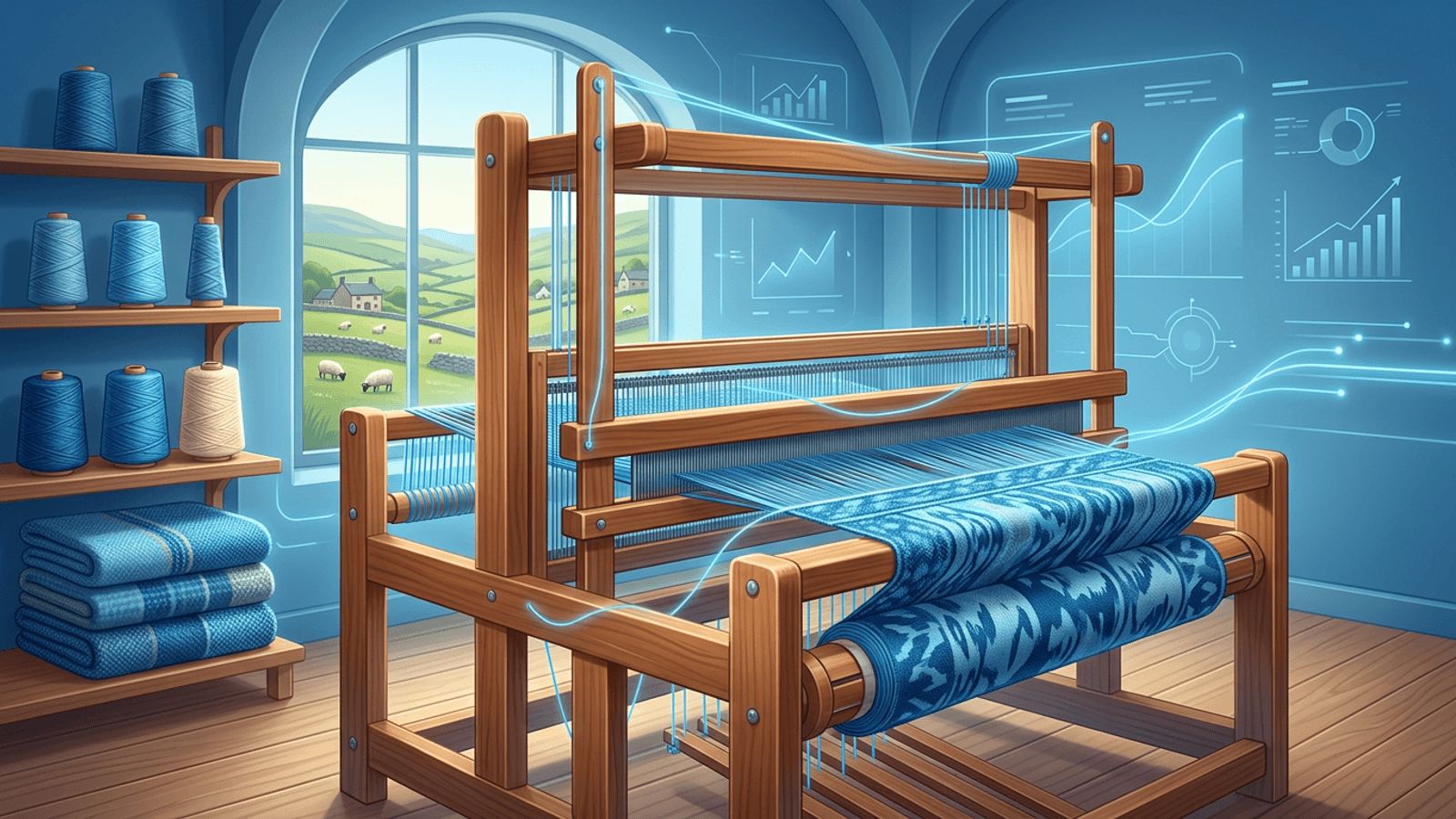
Denbighshire's Textile Heritage
Textiles have been part of life in North Wales for centuries. Sheep farming across the Clwydian Range and the hills around Corwen and Llangollen supplied wool for local weavers, and water-powered mills once operated along the rivers of the region. While large-scale textile manufacturing has declined, Wales has experienced a revival in heritage weaving, sustainable fashion and quality craftsmanship.
Today, shoppers in Denbighshire can buy Welsh blankets, tweed, socks, denim and craft textiles from makers across the country, while local outlets and craft centres showcase regional talent. Businesses in hospitality and retail also seek Welsh textiles for hotels, holiday cottages and gift shops, reflecting growing demand for authentic, locally made products.
What Makes a Great Textile Manufacturer?
Quality materials, traditional skills, sustainable production and distinctive design are the hallmarks of the best textile makers. Many Welsh mills use local wool and historic looms, producing pieces that last for generations. Look for transparency about sourcing, a commitment to reducing environmental impact and a strong design identity. Heritage patterns such as the traditional Welsh double cloth or tapestry blanket are especially sought after.
The Top 10 Textile Manufacturers Serving Denbighshire
1. Tweedmill
Tweedmill, located near St Asaph, is a well-known destination for shoppers seeking textiles, clothing and homeware. Built on the heritage of a traditional mill, it has grown into a major retail outlet attracting visitors from across North Wales and the North West. It remains a key part of Denbighshire's textile and retail landscape.
2. Trefriw Woollen Mills
Trefriw Woollen Mills in the Conwy Valley has been operated by the same family for generations. It produces traditional Welsh tapestry bedspreads, tweeds and blankets using hydroelectric power from the local river. Visitors can see the weaving process in action, making it a popular destination for Denbighshire residents and tourists alike.
3. Melin Tregwynt
Melin Tregwynt is a family-run woollen mill in Pembrokeshire renowned for contemporary designs inspired by traditional Welsh patterns. Its blankets, cushions and throws are sold in design stores worldwide. Its fresh take on heritage weaving has made it one of the most recognised Welsh textile brands.
4. Corgi
Corgi is a family-owned hosiery and knitwear manufacturer based in Carmarthenshire. It is known for luxury socks and knitwear made in Wales and has received a Royal Warrant. Its products combine traditional craftsmanship with modern design, appealing to discerning shoppers.
5. Hiut Denim Co.
Hiut Denim Co. makes premium jeans in Cardigan, a town that once had a major denim factory. The company was founded to bring jeans-making skills back to the town and has gained international recognition. Its commitment to quality and local employment makes it an inspiring example of Welsh manufacturing revival.
6. Solva Woollen Mill
Solva Woollen Mill in Pembrokeshire is one of the oldest working woollen mills in Wales. It specialises in woven floor rugs, runners and carpets made on traditional looms. Its long history and craftsmanship make it a treasured part of Welsh textile heritage.
7. Rock Mill
Rock Mill in Ceredigion is a traditional water-powered woollen mill that has operated since the nineteenth century. It produces blankets, throws and woollen goods using historic machinery. Its commitment to preserving traditional methods has earned it recognition as a heritage site.
8. Curlew Weavers
Curlew Weavers is a family-run mill in Ceredigion producing traditional Welsh woollen fabrics and blankets. It supplies both retail customers and designers seeking authentic Welsh cloth. Its range includes classic double weave patterns and custom commissions.
9. Melin Teifi
Melin Teifi is a working woollen mill associated with the National Wool Museum in the Teifi Valley. It produces Welsh blankets and fabrics using traditional techniques and machinery. Its work helps keep the knowledge and skills of Welsh weaving alive for future generations.
10. Ruthin Craft Centre
Ruthin Craft Centre is one of the leading applied arts centres in the UK and regularly exhibits the work of contemporary textile makers. While it is a gallery and craft centre rather than a factory, it provides a platform for artisans working in weaving, embroidery and textile design. It is an essential stop for anyone interested in contemporary Welsh textiles.
Trends in Welsh Textiles
Sustainability is driving renewed interest in natural fibres such as wool, which is renewable, biodegradable and durable. Shoppers increasingly seek locally made, traceable products rather than fast fashion. Heritage brands are collaborating with contemporary designers, while small makers use online platforms to reach global audiences. There is also growing interest in using Welsh wool for insulation and interior design.
Benefits of Buying Welsh Textiles
Welsh textiles are made to last, supporting a more sustainable approach to fashion and homeware. Buying from local and Welsh makers helps preserve traditional skills, supports rural employment and adds value to the wool produced by farmers in Denbighshire and beyond. For hospitality businesses, Welsh blankets and fabrics create an authentic sense of place that visitors appreciate.
Conclusion
Denbighshire's textile story connects centuries of sheep farming with a vibrant modern craft scene. From Tweedmill near St Asaph to heritage mills such as Trefriw and Melin Tregwynt, and innovative makers such as Hiut Denim and Corgi, there are plenty of ways to enjoy high-quality Welsh textiles. Visiting mills and craft centres also offers a memorable way to experience the region's culture and history.
Want your brand featured in front of decision-makers? Publish a guest post or get a link insertion in our guides through AAMAX's guest post and link insertion service.
Helpful Links
 SponsoredAAMAX — Full-Service Digital Agency
Write for Us
Share your expertise with our readers. We welcome guest contributions from industry specialists.
Pitch your idea