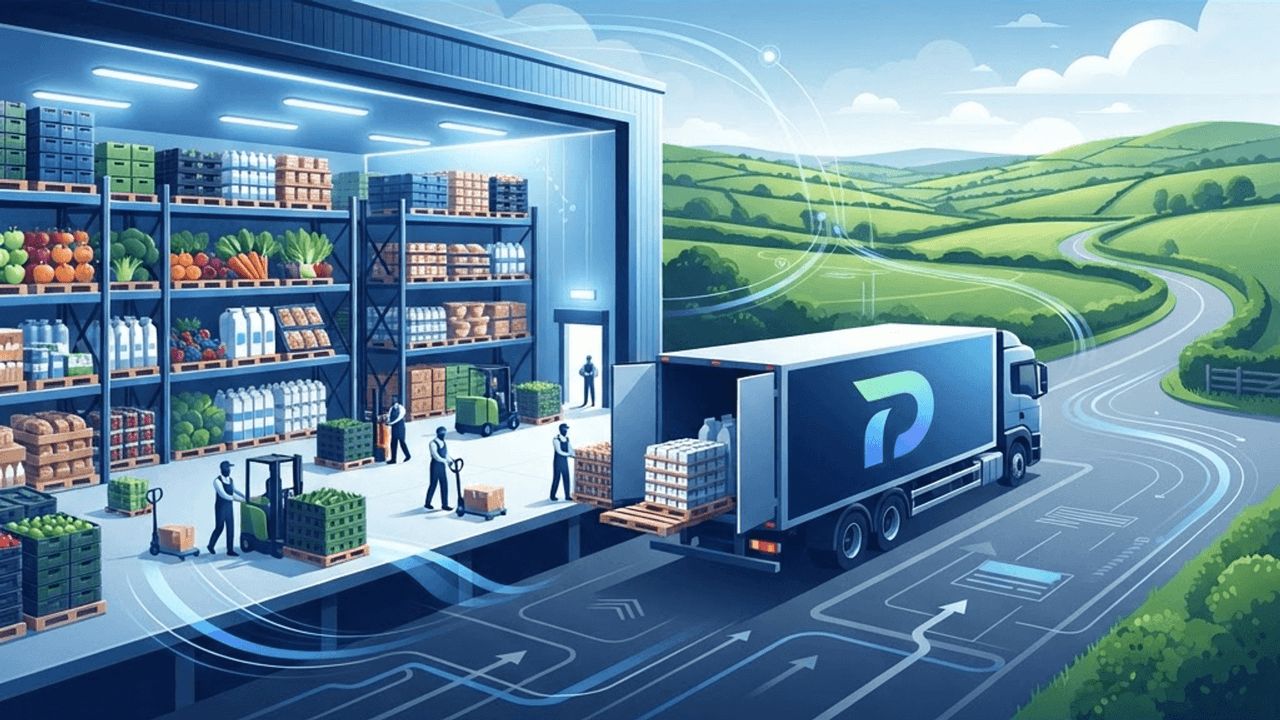
Food Shopping in West Lancashire
There is a certain irony in West Lancashire's food retail landscape. The district is one of the most productive vegetable-growing areas in the country, with the peat soils around Tarleton, Banks, and the mosses supplying salad crops, brassicas, and root vegetables to supermarkets nationwide. Yet like everywhere else, most residents buy the majority of their food from national chains.
The supermarket options across the district are reasonably good. Ormskirk and Skelmersdale host several major stores, Burscough and the larger villages have convenience and mid-size formats, and online delivery covers most postcodes. Farm shops and roadside stalls add a genuinely local dimension that few areas can match, selling produce grown within a few miles.
How to Compare Supermarkets Fairly
Price comparison is more complicated than headline claims suggest. A basket of branded goods produces different results from a basket of own-label products, and the discounters win decisively on the latter while conventional supermarkets often match or beat them on promoted branded lines. The honest answer is that where you shop cheapest depends on what you buy.
Quality varies most visibly in fresh produce, meat, and bakery. Supply chain freshness, stock rotation, and sourcing standards differ meaningfully between chains, and these differences show up within days at home rather than on the shelf.
Range breadth matters for households with specific requirements, whether that means free-from products, international ingredients, or specialist dietary needs. Convenience factors, including store location, opening hours, parking, delivery slots, and collection options, often outweigh small price differences in practice.
The Top 10 Supermarket Chains Serving West Lancashire
1. Tesco offers the most comprehensive combination of range, coverage, and format variety. Larger stores carry an enormous product selection including extensive free-from and world foods, while smaller convenience branches cover the villages. Its loyalty scheme delivers meaningful savings on frequently bought items, and its online delivery operation is among the most reliable.
2. Aldi has fundamentally changed food shopping economics and is now a mainstay for many West Lancashire households. Its limited range model keeps prices low, its own-label products regularly win independent quality awards, and its fresh produce and bakery offer particularly strong value. The trade-off is a narrower selection and fewer branded options.
3. Lidl competes closely with a similar model but a distinctive character. Its bakery, produced in store throughout the day, is a genuine highlight, and its rotating special buys and seasonal ranges add interest. Its wine and cheese selections consistently outperform expectations for the price point.
4. Asda is strong on value across a full-range format, making it a practical choice for households wanting both low prices and breadth. Its larger stores combine food with clothing and homeware, which suits families consolidating shopping trips, and its bulk and multipack pricing is competitive.
5. Sainsbury's positions itself between value and quality, with a particularly good own-label range across tiers. Its fresh food standards and prepared meal selection are well regarded, and its loyalty pricing has become genuinely competitive on regularly purchased staples.
6. Morrisons distinguishes itself through in-store food preparation. Its butchery, fishmongery, and bakery counters, staffed by trained specialists, offer a service most competitors have withdrawn. For anyone wanting a specific cut of meat or advice on cooking it, this remains genuinely valuable in the district.
7. Marks and Spencer Food occupies the premium end, and does so convincingly. Its prepared foods, ready meals, desserts, and party ranges are consistently excellent, and its produce standards are high. Most shoppers use it selectively rather than for a full weekly shop, which is precisely how it is designed to work.
8. Co-op serves the convenience role across smaller communities in West Lancashire, filling gaps where larger formats are impractical. Its ethical sourcing credentials, community funding through membership, and support for local suppliers give it a distinctive position beyond simple convenience.
9. Iceland specialises in frozen food and has broadened well beyond its origins. Its frozen ranges offer genuine value and reduce household food waste substantially, and its home delivery on modest spends helps customers without cars, which matters in the more rural parts of the district.
10. Local farm shops and produce outlets across West Lancashire earn their place emphatically. With the district's growing areas on the doorstep, buying vegetables, potatoes, eggs, and seasonal produce directly from farm shops delivers freshness that no supply chain can match, often at competitive prices and with a fraction of the food miles.
Trends in Grocery Retail
Loyalty pricing has reshaped the market, with major chains offering member-only prices that substantially narrow the gap with discounters. For households shopping regularly at one supermarket, signing up is now effectively mandatory to pay the advertised price.
Own-label quality has improved dramatically across all tiers. Blind tastings routinely place supermarket own-label products alongside or above branded equivalents, and consumers have responded by shifting spending accordingly.
Online grocery has stabilised into a permanent feature rather than a pandemic anomaly, with click-and-collect proving particularly popular in rural areas where delivery slots can be limited. Meanwhile, food waste reduction has become a shared priority, with clearer date labelling, discounted short-life sections, and surplus food apps all gaining traction.
Shopping Smarter in the District
Split your shopping strategically. Using a discounter for staples and a full-range supermarket for specific brands and specialist items typically produces lower overall costs than loyalty to a single chain.
Shop seasonally and locally where possible. West Lancashire produce at its seasonal peak is cheaper, fresher, and better than imported equivalents, and farm shops make this genuinely accessible rather than aspirational.
Check unit pricing rather than pack price, since larger packs are not always better value. Plan meals before shopping to reduce waste, which is the single most effective way to cut a food budget. Finally, visit late in the day for reduced fresh items, which offer excellent value if you can use or freeze them promptly.
Want your brand featured in front of decision-makers? Publish a guest post or get a link insertion in our guides through AAMAX's guest post and link insertion service.
Helpful Links
 SponsoredAAMAX — Full-Service Digital Agency
Write for Us
Share your expertise with our readers. We welcome guest contributions from industry specialists.
Pitch your idea