Grocery Shopping in North Norfolk
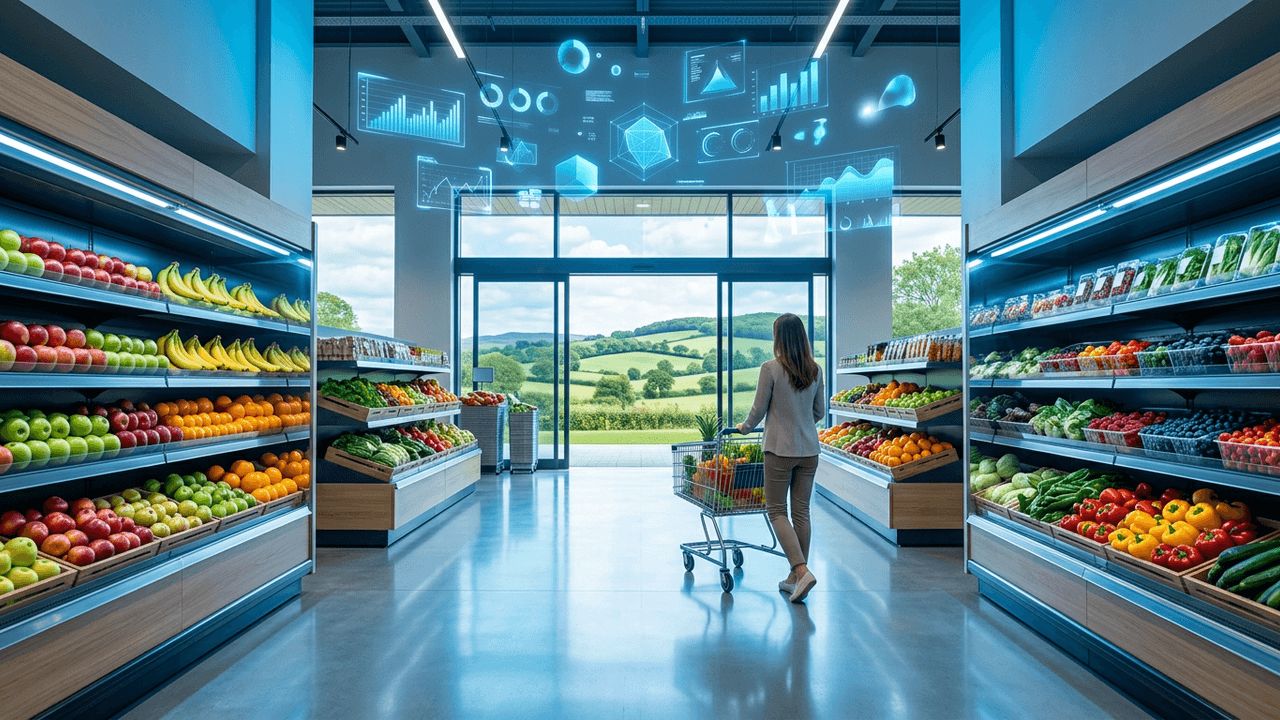
North Norfolk's rural nature shapes how people shop for groceries. Residents in towns such as Cromer, Sheringham, Holt, Fakenham, North Walsham and Wells-next-the-Sea have access to a range of supermarkets, while those in smaller villages rely on convenience stores, farm shops and home delivery. The area's seasonal tourism also affects demand, with shops busier in summer when holidaymakers and second-home owners arrive.
Choosing the right supermarket depends on budget, product range, location and values such as local sourcing. The following ten supermarket chains are the most popular and useful for North Norfolk shoppers.
1. Tesco
Tesco is the UK's largest supermarket chain, and its stores serve several North Norfolk towns. It offers a vast product range, competitive prices through its loyalty scheme and a comprehensive online delivery service that reaches rural addresses. Its Finest range provides premium options for special occasions.
2. Sainsbury's
Sainsbury's is known for quality products, a strong own-brand range and its Taste the Difference premium line. Its Nectar loyalty scheme offers personalised discounts, and its stores often include Argos collection points. Sainsbury's commitment to sustainability and responsible sourcing appeals to environmentally aware shoppers.
3. East of England Co-op
The East of England Co-op is a regional cooperative with a strong presence across Norfolk, Suffolk and Essex. It champions local suppliers through its Sourced Locally range, which features products from farms and producers within the region. As a member-owned business, it reinvests in communities, making it a valued part of North Norfolk life.
4. Morrisons
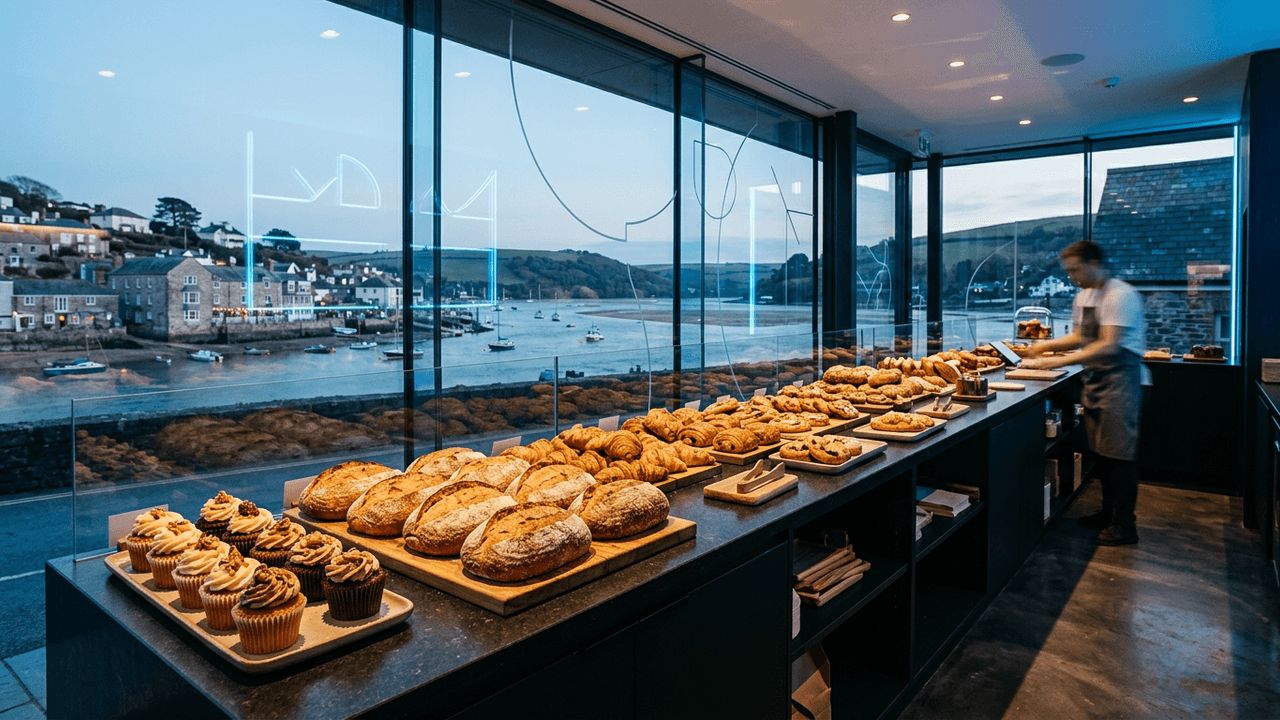
Morrisons emphasises fresh food, with in-store butchers, bakers and fishmongers at many locations. Its focus on British sourcing and vertical integration gives it control over quality. For shoppers who appreciate counter service and fresh preparation, Morrisons offers a traditional supermarket experience.
5. Aldi
Aldi has grown rapidly by offering high-quality products at low prices. Its simplified range, efficient stores and award-winning own-label products appeal to budget-conscious families. Its Specialbuys, featuring changing selections of household and seasonal goods, add an element of discovery.
6. Lidl
Lidl, like Aldi, focuses on value and quality. Its in-store bakeries, fresh produce and weekly promotions are popular. Lidl's commitment to British suppliers and competitive pricing makes it a strong choice for weekly shops, and its Lidl Plus app provides additional savings.
7. Waitrose
Waitrose is associated with premium quality, animal welfare and ethical sourcing. It offers excellent fresh produce, speciality ingredients and a strong own-label range. For shoppers who prioritise provenance and quality, Waitrose offers an excellent option, including online delivery to parts of the region.
8. Marks and Spencer Food
M&S Food is renowned for high-quality ready meals, desserts, fresh produce and treats. Its food halls and simply food stores are popular for special occasions, dinner party ingredients and convenient meals. The brand's innovation in product development keeps customers returning for new flavours.
9. Iceland
Iceland specialises in frozen food, offering good value and convenience. Its frozen range reduces food waste because products last longer, and its home delivery service is useful for households without easy access to larger supermarkets. Its focus on affordability makes it popular with families.
10. Budgens and Independent Convenience Stores
In smaller villages, Budgens and independent convenience stores provide essential groceries, newspapers and local services. Many stock local produce such as eggs, bread and vegetables from nearby farms. For residents without cars, these shops are vital lifelines and important community hubs.
Trends in Grocery Retail
The cost-of-living pressures of recent years have encouraged many shoppers to switch to discount supermarkets or buy more own-label products. Loyalty schemes have become central to pricing, with many chains offering member-only prices. Online grocery shopping has become established, particularly in rural areas where travelling to large stores can be time-consuming.
Local sourcing is increasingly important to North Norfolk shoppers, who value produce from the region's farms, fisheries and bakeries. Cromer crab, Norfolk asparagus, local strawberries and Norfolk-grown potatoes are all celebrated. Many supermarkets now highlight regional products, and farm shops and markets complement the weekly shop.
Sustainability initiatives, such as plastic reduction, refill stations and food waste apps, are also gaining traction. Shoppers are increasingly conscious of packaging, food miles and animal welfare.
Tips for Smarter Grocery Shopping
Plan meals and write shopping lists to reduce waste and impulse purchases. Compare loyalty prices and own-label ranges to save money. Buy seasonal local produce for better flavour and value. Consider combining a discount supermarket for basics with a local farm shop or fishmonger for fresh specialities. For rural households, scheduling regular online deliveries can save time and fuel.
Conclusion
North Norfolk shoppers enjoy a good choice of supermarket chains, from national giants like Tesco and Sainsbury's to value leaders Aldi and Lidl and the community-focused East of England Co-op. By combining the strengths of different retailers and supporting local producers, residents can enjoy quality food, good value and a shopping experience that reflects the region's rich agricultural heritage.
Want your brand featured in front of decision-makers? Publish a guest post or get a link insertion in our guides through AAMAX's guest post and link insertion service.
Helpful Links
 SponsoredAAMAX — Full-Service Digital Agency
Write for Us
Share your expertise with our readers. We welcome guest contributions from industry specialists.
Pitch your idea