Highland's Grocery Landscape
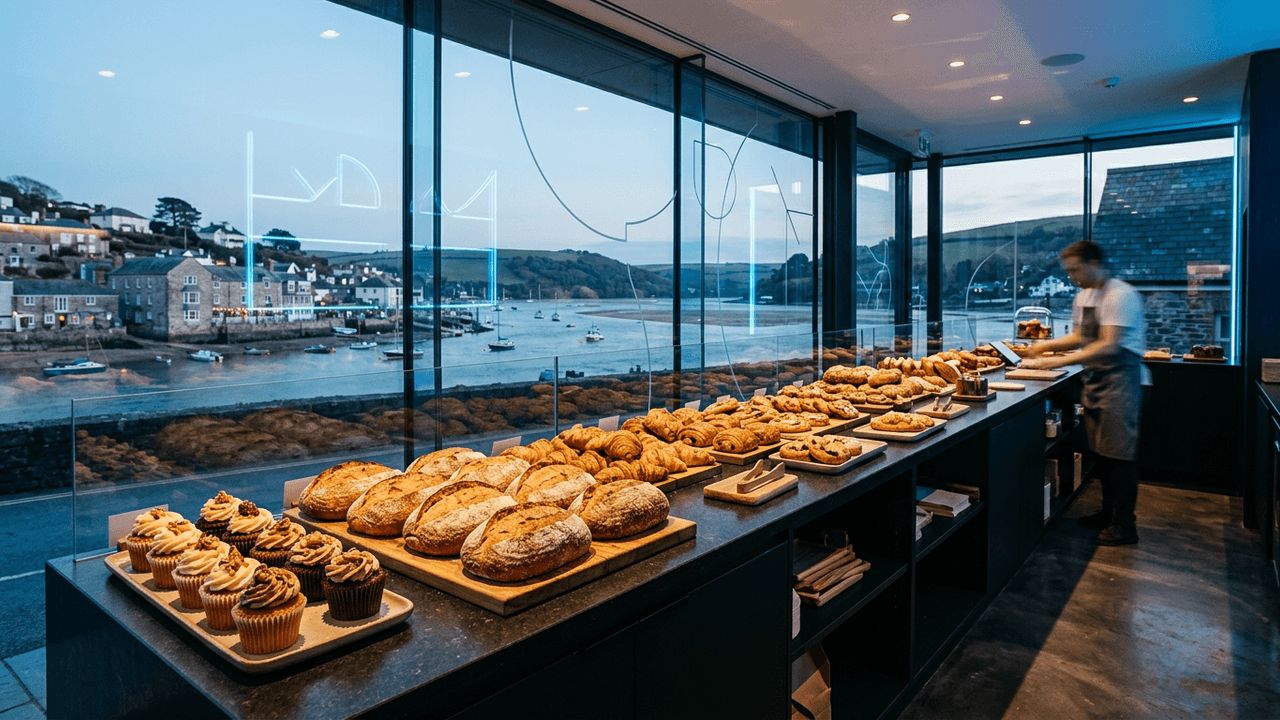
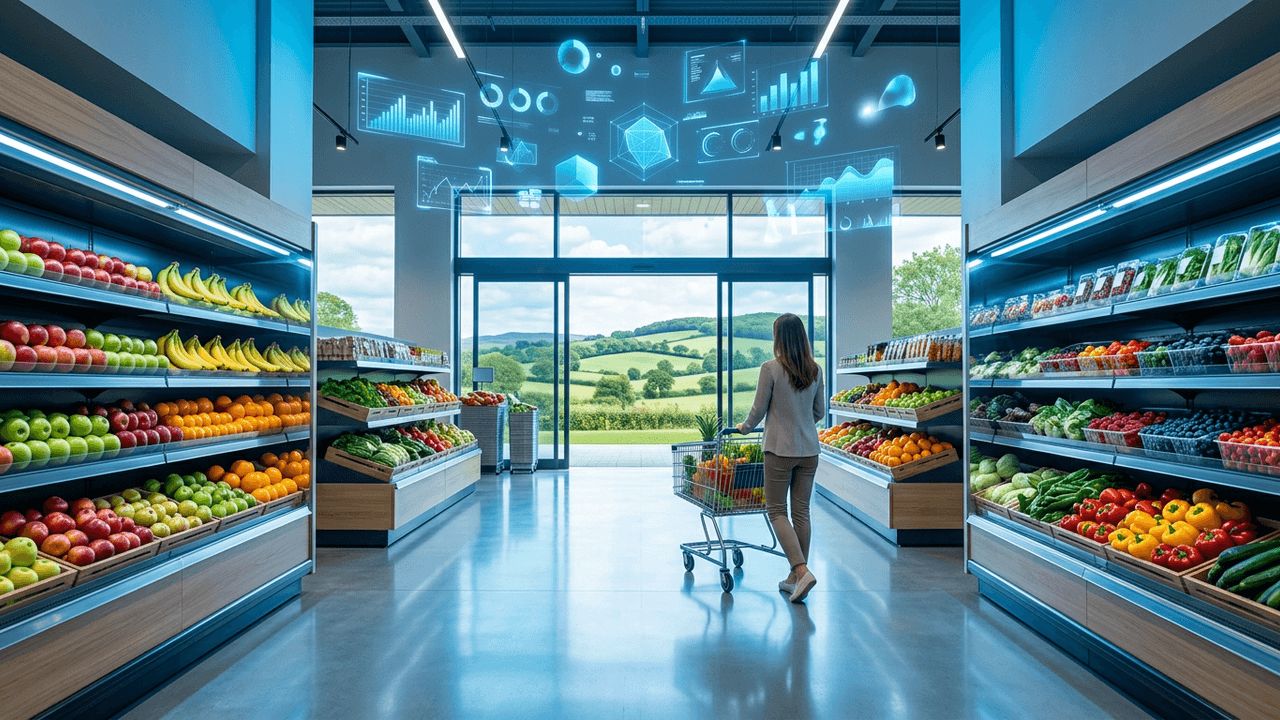
Groceries are the most frequent retail purchase most households make, so small differences in price, freshness, and convenience compound quickly. Highland's grocery market is competitive and varied, which works strongly in shoppers' favor. Full-range supermarkets compete on weekly promotions and loyalty pricing, organic specialists focus on produce quality and sourcing, discount chains drive down basket costs, and international markets serve the city's diverse communities with ingredients mainstream stores rarely stock.
Local agriculture also shapes the market. Highland sits within reach of productive farmland, so seasonal produce, dairy, and baked goods from regional suppliers appear widely. Stores that build genuine relationships with those suppliers tend to score highest on freshness.
Evaluation Criteria
Chains were assessed on produce and meat quality, price competitiveness across a standard basket, range including specialty and dietary items, store cleanliness and organization, staff service, online ordering and delivery reliability, and the practical value of loyalty programs.
1. Highland Fresh Markets
Highland Fresh Markets is the region's most balanced full-service supermarket. Produce turnover is high, the butcher and fish counters are staffed by trained personnel who will cut to order, and the in-store bakery produces throughout the day rather than baking once each morning. Weekly promotions are substantial, and a straightforward loyalty program applies discounts automatically at checkout. Online ordering with reliable substitution rules rounds out the offer.
2. Valley Grocers Co-op
Valley Grocers Co-op emphasizes regional sourcing, with clear labeling identifying farms and producers within the surrounding area. Seasonal produce quality is excellent, and the dairy and egg selection is unusually deep. As a cooperative, it returns value to members through annual dividends and member pricing, and it invests visibly in staff training, which shows in service quality.
3. SaveRight Foods
SaveRight Foods is Highland's leading discount chain. It keeps prices low through a streamlined assortment, strong private-label lines, and efficient store layouts. Shoppers accept fewer brand choices in exchange for consistently lower basket totals. Fresh produce is limited but well priced, making it an effective complement to a specialist store rather than a sole destination.
4. Green Harvest Organics
Green Harvest Organics focuses on certified organic and minimally processed foods. Produce is sourced with attention to seasonality, and the bulk section allows customers to buy grains, nuts, and spices in the exact quantities they need, reducing waste. Staff are knowledgeable about allergens and dietary restrictions, and the store maintains one of the city's strongest plant-based and gluten-free ranges.
5. Highland Wholesale Club
Highland Wholesale Club serves bulk buyers, large families, and small businesses. Membership grants access to case-quantity pricing across pantry staples, cleaning products, and frozen goods, along with fuel and pharmacy benefits at some locations. The savings are real for households with storage space and predictable consumption patterns; less so for small households buying perishables.
6. Meridian Gourmet Market
Meridian Gourmet Market occupies the premium end, with imported cheeses, cured meats, specialty oils, artisan breads, and a well-curated wine selection. Prepared foods are made in-house and clearly labeled, making it a common stop for entertaining. Prices are higher, but staff expertise—particularly at the cheese and charcuterie counters—adds genuine value.
7. Global Foods Highland
Global Foods Highland is an international market carrying South Asian, East Asian, Latin American, Middle Eastern, and Eastern European ingredients. Spices, rice varieties, fresh herbs, specialty flours, and hard-to-find condiments are stocked at prices well below mainstream stores' limited equivalents. For anyone cooking regional cuisines authentically, it is an essential resource.
8. QuickCart Express
QuickCart Express operates compact urban stores designed around convenience. Located near transit stops and dense residential areas, they stock fresh essentials, ready meals, coffee, and top-up groceries with fast checkout. Prices sit slightly above large-format stores, but the time saved on a mid-week resupply makes them a practical part of many Highland routines.
9. Prairie Butcher & Grocer
Prairie Butcher & Grocer combines a full-service butcher with a focused grocery range. Meat is broken down in-house, aging is explained, and staff advise on cuts and cooking methods. Alongside the counter, the store carries produce, dairy, and pantry basics, letting customers complete a meal-focused shop without a second stop.
10. Riverbend Community Grocery
Riverbend Community Grocery is a neighborhood-scale chain that prioritizes accessibility and local employment. Stores are smaller but well organized, with reliable staples, community noticeboards, and pricing designed to keep fresh food affordable. Its produce rescue program discounts imperfect but perfectly edible items, reducing both waste and cost.
Trends in Highland's Grocery Sector
Online grocery has stabilized into a routine channel rather than a novelty, and the differentiator is now substitution quality and delivery slot reliability rather than app design. Loyalty programs have become more personalized, offering targeted discounts based on purchase history, which can meaningfully reduce annual grocery spend for consistent shoppers.
Private-label ranges have improved substantially, with many stores now offering tiered own-brand lines from budget to premium. Food waste reduction is also visible: markdown sections for short-dated items, imperfect produce ranges, and clearer date labeling. Finally, demand for transparency around sourcing, animal welfare, and additive content continues to rise, pushing stores toward better labeling.
How to Shop Smarter in Highland
Most households save the most by splitting their shopping: staples and household goods from a discount or wholesale chain, fresh produce and meat from a specialist or full-service store. Enroll in loyalty programs at the two stores you use most, since fragmented membership dilutes the benefits.
Shop with a list built around a weekly meal plan to cut impulse purchases and waste. Buy produce seasonally—regional items at peak season are both cheaper and better. Check unit pricing rather than package price, especially on private-label items. And time visits thoughtfully: markdowns on bakery and meat typically appear late in the day, while produce restocks are freshest in the morning.
Final Thoughts
Highland's supermarket chains give residents genuine choice across price, quality, and specialty needs. The most efficient approach is rarely loyalty to a single store; it is understanding which chain excels in each category and building a routine around those strengths. Do that, and grocery quality improves while spending falls.
Want your brand featured in front of decision-makers? Publish a guest post or get a link insertion in our guides through AAMAX's guest post and link insertion service.
Helpful Links
 SponsoredAAMAX — Full-Service Digital Agency
Write for Us
Share your expertise with our readers. We welcome guest contributions from industry specialists.
Pitch your idea