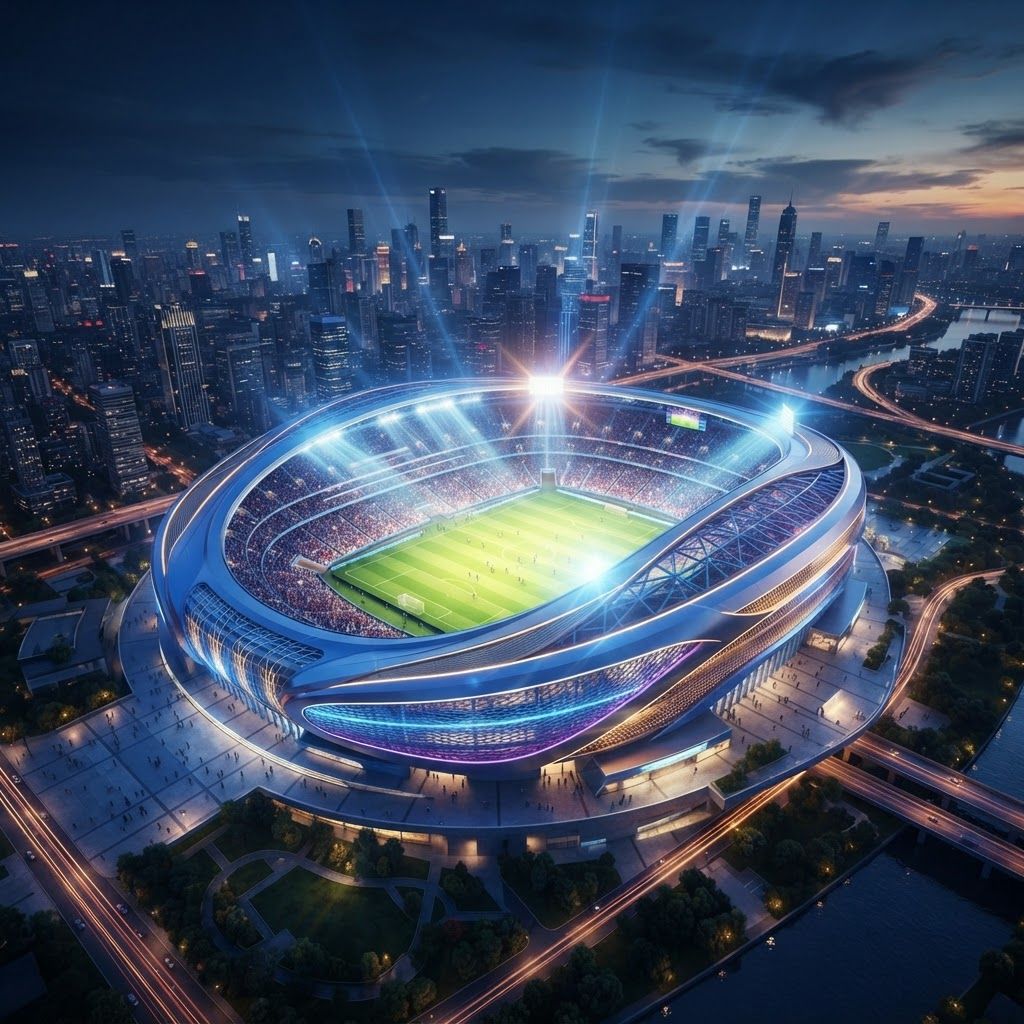
Sport at the Heart of the Community
Sport occupies a central place in Waverley life. The combination of temperate climate, coastal setting and a long tradition of grassroots participation has produced a dense network of grounds, ovals, courts and arenas that serve everyone from junior club players to elite competitors. These venues are more than playing surfaces; they function as community anchors, hosting weekend competitions, school carnivals, training academies, community festivals and major events that draw visitors from across the city.
The variety is notable. Within a compact geographic area you will find historic turf ovals with grandstands dating back generations, purpose-built synthetic pitches designed for year-round use, indoor multi-court complexes and aquatic centres. Each fills a different role, and collectively they explain why participation rates across the area remain consistently high.
The Ten Best Stadiums and Sporting Venues in Waverley
Waverley Oval stands as the historic centrepiece of local sport. The turf wicket, established playing surface and traditional grandstand have hosted cricket in summer and football codes in winter for decades. Its central location and mature surrounding parkland make it as much a community gathering place as a sporting venue.
Waverley Park Sporting Complex offers multiple full-size fields alongside training areas, floodlighting and clubhouse facilities. The scale allows simultaneous junior and senior fixtures, making it the logistical backbone of weekend competition across several codes.
Queens Park Sports Fields provides an expansive open playing area accommodating rugby, football, touch football, athletics and informal recreation. Its generous dimensions and multiple marked pitches support high-volume weekend scheduling and large school carnivals.
Bondi Junction Indoor Sports Arena delivers weather-independent competition across basketball, netball, futsal and volleyball. Multiple courts, sprung flooring, spectator seating and evening league programming make it heavily utilised throughout the year.
Waverley Tennis Centre features a substantial bank of courts in varied surfaces, coaching programs from beginner to advanced, floodlighting for night play and competition hosting. Its structured pathway from junior coaching to club competition is a model of participation development.
Bronte Recreation Ground combines playing fields with surrounding park amenity, serving junior club sport, community training and casual recreation. Its accessible location and family-oriented facilities make it especially popular at weekends.
Waverley Aquatic Centre supports competitive swimming, squad training, learn-to-swim programs and water polo. Lane availability, timing systems and spectator provision allow it to host carnivals as well as daily community use.
Centennial Athletics Track provides a synthetic running surface with dedicated field-event areas for jumps and throws. It anchors athletics club activity, school competition and individual training across a wide age range.
Charing Cross Community Sports Hub operates as a multi-purpose facility integrating indoor courts, fitness space and meeting rooms, supporting both organised sport and broader community programming under one roof.
Eastern Suburbs Rugby Ground completes the list, serving as a traditional home for rugby union and league with a strong club culture, terraced viewing and a match-day atmosphere that draws consistent local support.
What Makes a Great Community Venue
Playing surface quality is the foundation. Turf grounds require sophisticated agronomy, including drainage, aeration, renovation cycles and careful scheduling to prevent overuse. Synthetic surfaces reduce weather cancellations and support far higher usage hours, though they carry their own maintenance and replacement cycles.
Lighting extends capacity dramatically. Modern LED floodlighting systems provide superior uniformity, instant start, lower running costs and reduced light spill into neighbouring residential areas, which is a genuine consideration in densely populated suburbs.
Amenities determine whether a venue serves its whole community. Accessible changerooms, particularly facilities designed for women and girls, have become a priority as female participation grows rapidly across football, cricket, rugby and AFL. Shade structures, seating, canteens, accessible pathways and adequate parking or public transport links all shape the spectator experience.
Trends in Venue Development
Multi-use design now dominates new investment. Rather than building single-code facilities, planners are creating spaces that flex between sports and seasons, maximising return on limited land in a suburb where open space is scarce and valuable.
Sustainability has become standard practice. Rainwater harvesting for irrigation, solar generation on grandstand roofs, LED conversion, water-efficient turf species and organic surface management reduce both operating costs and environmental impact.
Technology is also reshaping the experience. Online booking systems, real-time ground closure notifications, live scoring, video analysis for coaching and digital membership management have modernised how clubs and venues operate. Several facilities now offer performance analysis tools previously available only at elite level.
Perhaps most significantly, inclusion has moved to the centre of planning. All-abilities access, sensory-friendly event sessions, culturally inclusive programming and infrastructure supporting female participation are now assessed as core requirements rather than optional enhancements.
Using Local Venues Well
For players, joining an established club is the most reliable route to regular access, as clubs hold allocated ground time and provide coaching, competition entry and insurance. Casual users should check council booking systems, which typically publish availability, seasonal allocations and wet-weather closure notices.
Spectators benefit from planning around parking constraints, which are significant near the coast at weekends. Public transport and active travel are usually faster options during busy fixture periods. Arriving early for major club fixtures secures better viewing and a more relaxed experience.
The Broader Value of Sporting Infrastructure
Well-maintained sporting venues deliver benefits far beyond competition results. They support physical and mental health, create intergenerational social connection, provide safe structured activity for young people and generate local economic activity through club operations and event visitation.
In a densely populated coastal suburb where private open space is limited, these shared facilities carry disproportionate importance. The strength of Waverley's sporting culture reflects sustained community investment in maintaining and improving them, and that investment continues to pay dividends across every age group.
Want your brand featured in front of decision-makers? Publish a guest post or get a link insertion in our guides through AAMAX's guest post and link insertion service.
Helpful Links
 SponsoredAAMAX — Full-Service Digital Agency
Write for Us
Share your expertise with our readers. We welcome guest contributions from industry specialists.
Pitch your idea