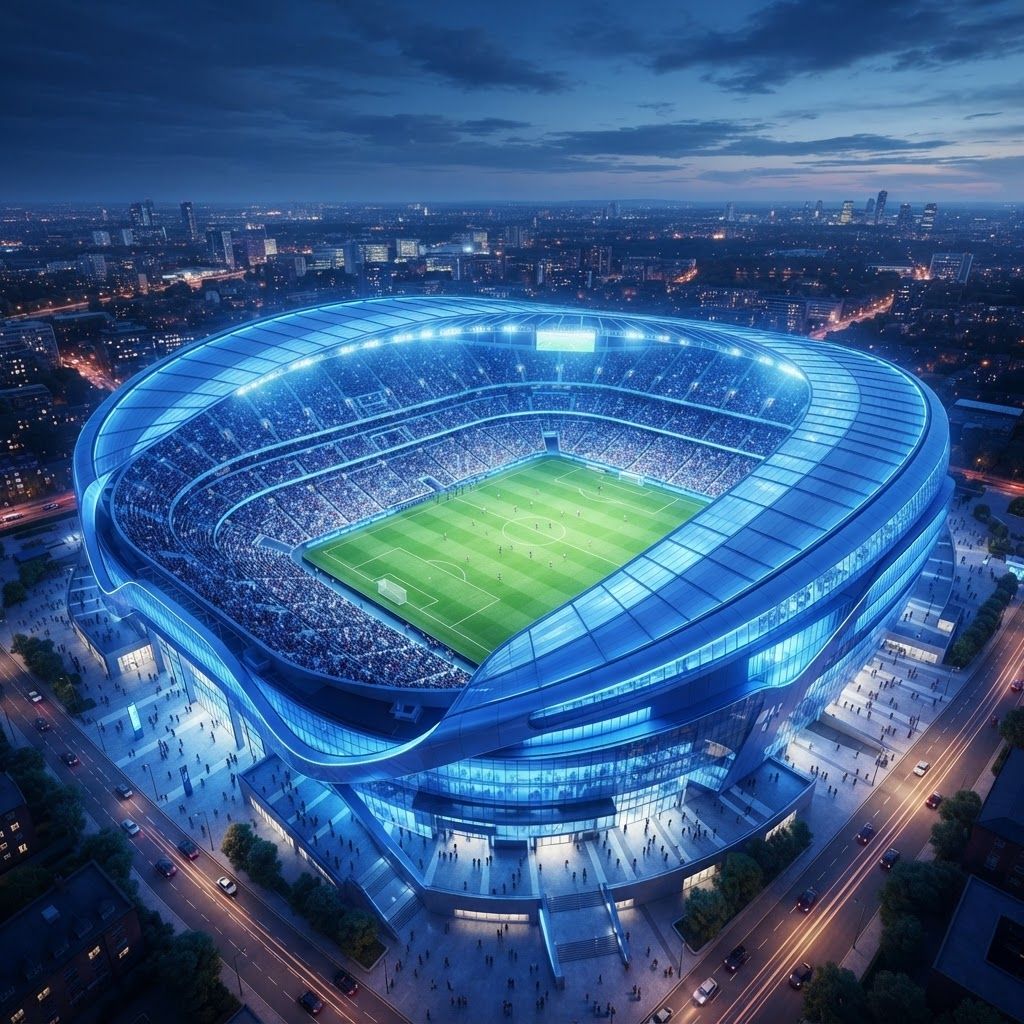
Sport and Community Space in the Inner West
Ashfield has a deep sporting culture that predates most of the suburb's current housing. Cricket, rugby league, soccer, netball, athletics and more recently futsal and basketball have all found homes on grounds within and around the suburb. What Ashfield lacks in large-capacity professional stadiums it makes up for in accessible community venues, many of which have been progressively upgraded with better lighting, improved surfaces, accessible amenities and covered seating.
Understanding the local stadium landscape matters for more than spectators. Junior clubs choose venues based on parking, canteen facilities and field availability. Adult competitions depend on floodlighting for weeknight fixtures. Schools and community groups rely on indoor courts through winter. The quality of these facilities directly shapes participation rates across the inner west.
The Ten Leading Stadiums and Grounds in Ashfield
1. Ashfield Park Sporting Precinct. The centrepiece of local outdoor sport, this precinct combines open parkland with marked playing fields used for cricket in summer and football codes in winter. Its mature fig trees, generous spectator embankments and central location make it the most recognisable sporting space in the suburb, and its proximity to the station means it is genuinely accessible without a car.
2. Pratten Park. A historic ground with genuine sporting heritage, Pratten Park has hosted senior rugby league and district cricket for generations. Its grandstand, turf wicket and traditional oval proportions give it a character that modern rectangular stadiums rarely match. It remains a favoured venue for representative fixtures and finals in the inner west.
3. Ashfield Aquatic Centre Arena. Following major redevelopment, the aquatic centre offers indoor and outdoor pools alongside a gymnasium and multipurpose spaces. For swimming carnivals, water polo and squad training it functions as the district's principal aquatic venue, and its year-round indoor pool has significantly extended the local swimming season.
4. Algie Park. A well-drained ground popular with junior football clubs, Algie Park benefits from good floodlighting that supports weeknight training and evening fixtures. Its amenities block and canteen make it practical for weekend competition days where families spend several hours on site.
5. Hammond Park. Used extensively by soccer clubs across the winter season, Hammond Park offers multiple pitch configurations that allow junior small-sided games and senior full-field matches to run concurrently. Surface drainage upgrades have improved its resilience through wet Sydney winters.
6. Ashfield Indoor Sports Centre. An indoor multi-court facility supporting basketball, netball, futsal and badminton, this venue hosts weeknight social competitions and school sport during the day. Indoor courts are the scarcest sporting resource in dense inner-city suburbs, which makes this centre disproportionately valuable to local participation.
7. Yeo Park Oval. Set within one of the area's most attractive parklands, Yeo Park combines a playing field with a heritage rotunda and surrounding gardens. It serves community cricket and casual sport, and its relaxed setting makes it popular for club presentation days and family sporting events.
8. Centenary Park Sporting Fields. A larger multi-field complex serving the broader inner west, Centenary Park accommodates simultaneous fixtures across several codes. Its scale allows clubs to run full round-robin competition days in a single location, which is logistically far easier than splitting matches across scattered grounds.
9. Ashfield Bowling and Recreation Club Greens. Lawn bowls remains a significant participation sport locally, and the club's greens provide both competitive pennant surfaces and social barefoot bowls. The venue has broadened its appeal considerably by opening to casual and corporate groups alongside traditional membership play.
10. Croydon Park Sporting Complex. On Ashfield's fringe, this complex offers athletics facilities alongside playing fields, supporting track training, little athletics and school carnivals. Dedicated athletics infrastructure is uncommon in the inner west, giving the venue regional importance.
What Makes a Community Stadium Work
Capacity is rarely the deciding factor for community venues. The features that determine whether a ground is genuinely useful are more prosaic. Surface quality and drainage determine how many fixtures survive a wet winter. Floodlighting extends usable hours dramatically and effectively doubles a ground's capacity for training. Change rooms designed for all genders have become essential as women's participation in football codes and cricket has grown rapidly. Accessible pathways, seating and amenities determine whether spectators with mobility needs can attend at all.
Canteen and shade infrastructure matters more than most planners assume. Junior sport keeps families on site for hours, and venues with covered seating and food service retain volunteers and spectators far better than exposed grounds with no amenities.
Trends in Venue Development
Several clear trends are influencing inner west sporting facilities. Synthetic surfaces are being installed at high-use grounds because natural turf simply cannot sustain the hours that dense suburbs demand, though this involves genuine trade-offs in heat retention and cost. LED floodlighting is replacing older metal halide systems, cutting energy consumption while improving light quality and reducing spill into neighbouring homes.
Multi-use design is increasingly standard, with grounds marked and configured for several codes rather than dedicated to one. Shared facilities reduce idle capacity but require careful scheduling between clubs. Finally, there is rising emphasis on year-round indoor capacity, since summer heat and winter rain both push activity indoors in ways that outdoor-heavy facility mixes cannot absorb.
Accessing Local Venues
Most grounds in and around Ashfield are managed by local government and allocated seasonally to registered clubs, with casual bookings available where capacity permits. Clubs generally secure allocations well before each season begins, so community groups seeking regular access should plan months in advance. Indoor centres operate on commercial booking models with far shorter lead times but higher demand for prime evening slots.
Final Thoughts
Ashfield's sporting venues are not vast professional arenas, and that is precisely their strength. They are embedded in neighbourhoods, reachable on foot or by train, and used daily by juniors, seniors and social players rather than sitting idle between major events. The grounds and stadiums listed here form the backbone of local sporting life, and continued investment in their surfaces, lighting and amenities is what keeps participation healthy across the inner west.
Want your brand featured in front of decision-makers? Publish a guest post or get a link insertion in our guides through AAMAX's guest post and link insertion service.
Helpful Links
 SponsoredAAMAX — Full-Service Digital Agency
Write for Us
Share your expertise with our readers. We welcome guest contributions from industry specialists.
Pitch your idea