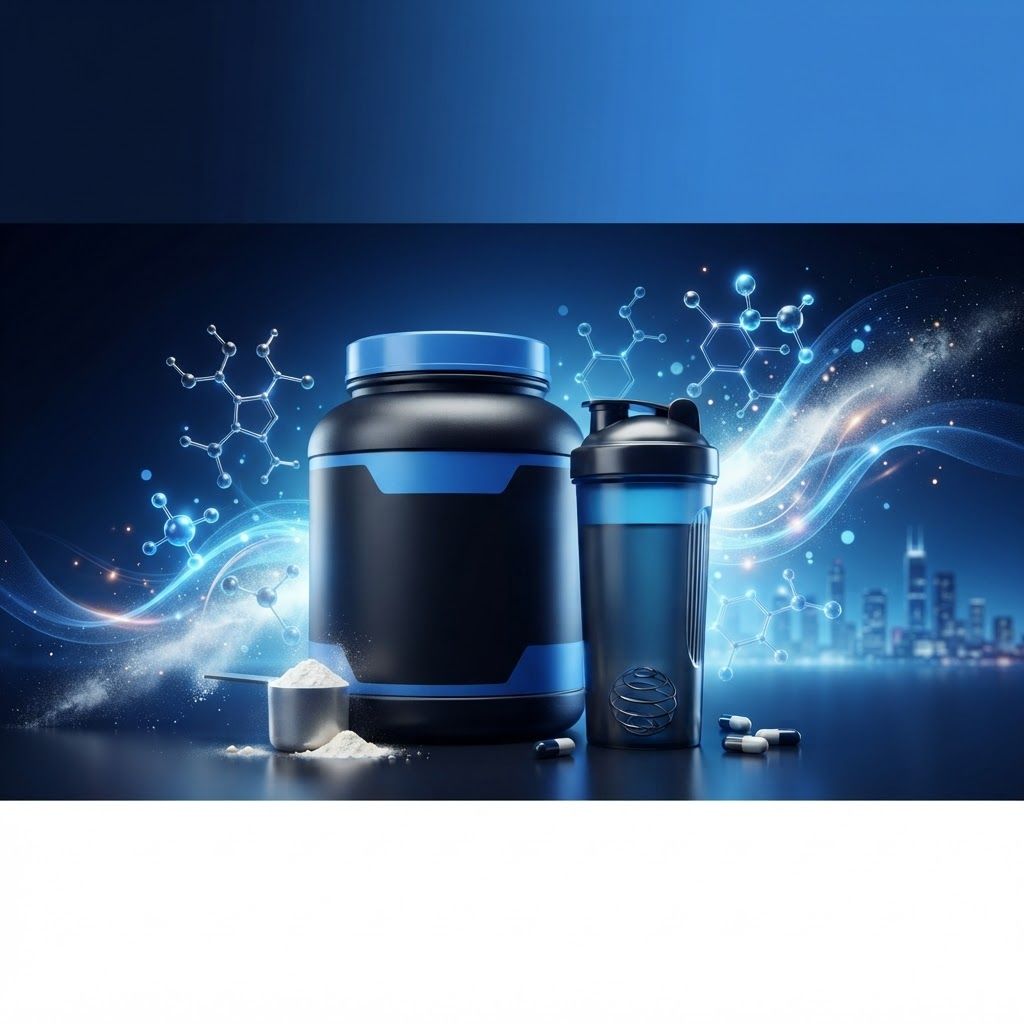
Sports Nutrition in an Active City
Exeter combines a large student population, a professional rugby club, competitive running and cycling communities and a dense network of gyms and fitness studios. The result is sustained demand for sports nutrition products, from basic protein powder to carefully formulated endurance fuelling systems.
The sector has matured considerably. A decade ago the market was dominated by high-volume protein sales with limited scrutiny of formulation. Today buyers ask about ingredient sourcing, third-party testing, banned-substance certification, digestibility and evidence base. Exeter's retailers and brands have adapted to an informed customer.
Ten Supplement Brands and Retailers Serving Exeter
Devon Nutrition Co produces sports nutrition products with an emphasis on transparent ingredient labelling and minimal additives. The brand appeals to buyers who want to understand precisely what a product contains rather than relying on proprietary blends.
Exeter Sports Nutrition operates as a specialist retailer stocking a curated selection across protein, recovery, endurance fuelling and micronutrient categories, with staff able to advise on product selection rather than simply process transactions.
Westcountry Whey focuses on protein products derived from regional dairy supply, connecting sports nutrition to Devon's substantial agricultural base. Traceable sourcing is a clear differentiator in a category where origin is often opaque.
Quay Performance Nutrition targets endurance athletes with energy gels, carbohydrate drinks and electrolyte products suited to long rides and runs across Devon's demanding terrain.
Chiefs Performance Fuel aligns with the city's rugby culture, offering products oriented towards strength, power and recovery for collision-sport athletes and those following heavy resistance training programmes.
Exe Valley Naturals provides plant-based and vegan sports nutrition, a category that has expanded rapidly. Pea, rice and blended plant proteins now achieve amino acid profiles comparable to dairy sources when properly formulated.
Moorland Endurance Nutrition specialises in products for ultra-distance and trail athletes, including slow-release carbohydrate formulations and sodium replacement suited to long days on Dartmoor.
Riverside Health Store combines general health supplementation with a sports range, serving customers who want vitamins, minerals and omega products alongside training-specific nutrition.
Cathedral Supplements operates a broad retail offer across major mainstream brands, giving Exeter customers access to widely researched products without ordering online.
Pinhoe Performance Supply works with local gyms and clubs on bulk supply and athlete support, bridging retail and team-level nutrition provision.
Supplements With Strong Evidence
A small number of supplements have robust research support. Creatine monohydrate is among the most studied sports supplements in existence, with consistent evidence for improvements in high-intensity performance, strength gains and training capacity. It is inexpensive, well tolerated and does not require cycling.
Protein supplementation supports muscle protein synthesis when total daily intake is insufficient from food alone. Whey is rapidly absorbed and rich in leucine, casein digests slowly, and blended plant proteins work well when combined to complete the amino acid profile. The key point is that protein powder is a convenience product, not a superior alternative to whole food.
Caffeine reliably improves endurance performance, perceived exertion and alertness at moderate doses. Beta-alanine buffers muscular acidity and benefits efforts in the one to four minute range. Dietary nitrate, commonly from beetroot, shows modest endurance benefits. Electrolyte replacement matters for prolonged exercise in heat or during long endurance efforts where sodium losses are significant.
Beyond this core group, evidence thins rapidly. Many heavily marketed products have little or no credible research behind them, and spending on these is generally poor value compared with improving training consistency, sleep and overall diet.
Safety, Testing and Regulation
Supplements are regulated as food products rather than medicines, which means pre-market testing requirements are limited. Contamination with banned substances is a documented risk, and it does not require deliberate adulteration; cross-contamination during manufacturing is sufficient to cause a positive test.
Competitive athletes subject to anti-doping rules should use only products certified through recognised third-party testing programmes that screen batches for prohibited substances. The principle of strict liability means an athlete is responsible for whatever is in their system regardless of intent, so certification is not optional at competitive level.
Recreational users should still look for products manufactured in facilities operating recognised quality standards, with full ingredient disclosure and no proprietary blends that hide individual dosages. Extraordinary claims about rapid fat loss or dramatic muscle gain are reliable indicators of a product to avoid.
Food First, Supplements Second
The most effective nutrition strategy for almost every athlete is built on whole food. Adequate total energy intake, sufficient protein distributed across the day, carbohydrate matched to training demands, plentiful vegetables and fruit, and consistent hydration deliver the overwhelming majority of nutritional benefit.
Supplements fill specific, identified gaps. A busy professional training after work may genuinely benefit from a protein shake for convenience. A cyclist riding for four hours needs portable carbohydrate that solid food cannot easily provide. Someone with limited sun exposure through a Devon winter may reasonably supplement vitamin D. These are targeted uses, not blanket recommendations.
Trends Shaping the Sector
Plant-based products continue to grow strongly, driven by both ethical considerations and digestive preference. Personalised nutrition, informed by blood markers, sweat testing and activity data, is moving from elite sport into the recreational market. Transparency has become a competitive advantage, with brands publishing full formulations and testing certificates.
There is also a visible shift towards whole-food-derived products, with real-food energy bars, dried fruit-based fuelling options and minimally processed recovery products gaining ground against highly engineered alternatives.
Final Thoughts
Exeter's sports nutrition market offers good access to both mainstream and specialist products, with retailers and brands increasingly focused on transparency and evidence. Build nutrition on food first, use the small number of well-supported supplements where they address a genuine gap, insist on third-party testing if you compete, and treat dramatic marketing claims with appropriate scepticism. Anyone with specific health conditions should seek qualified professional advice before beginning supplementation.
Want your brand featured in front of decision-makers? Publish a guest post or get a link insertion in our guides through AAMAX's guest post and link insertion service.
Helpful Links
 SponsoredAAMAX — Full-Service Digital Agency
Write for Us
Share your expertise with our readers. We welcome guest contributions from industry specialists.
Pitch your idea