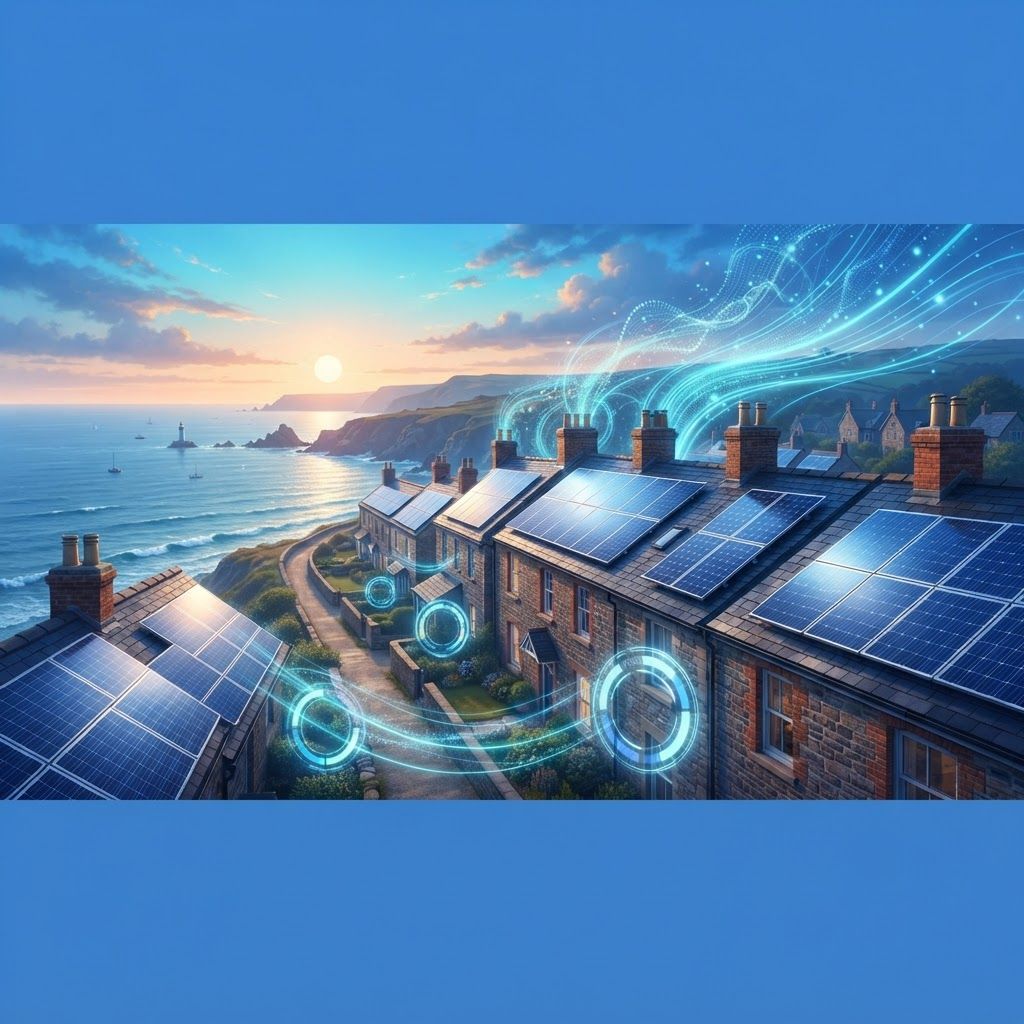
Does Solar Really Work in Blackpool?
It is the question every installer on the Fylde Coast hears first, and the answer is consistently yes. Solar photovoltaic panels generate electricity from daylight rather than direct heat, which means they perform respectably under the bright overcast conditions that characterise much of the British coastal climate. Blackpool also benefits from relatively high annual sunshine hours compared with inland Lancashire, thanks to its exposed western aspect and the clearing effect of sea breezes.
A typical well-oriented domestic system in Blackpool will generate a substantial proportion of a household's annual electricity demand. When paired with a battery, self-consumption rises dramatically, and with export tariffs available for surplus generation, the economics have shifted decisively in favour of installation over the last few years.
The Local Context for Solar Adoption
Blackpool's building stock presents both opportunities and challenges. Long terraces and semi-detached homes offer usable south, east and west facing roof planes, though many properties are smaller than the national average, limiting array size. Conservation considerations apply in certain areas, and coastal exposure means corrosion-resistant mounting hardware is essential rather than optional.
The commercial picture is arguably stronger. Hotels, holiday parks, warehouses and light industrial units around Blackpool have large flat or shallow-pitched roofs and daytime-heavy consumption patterns that align almost perfectly with solar generation. For these businesses, solar often delivers a faster payback than any other efficiency measure.
The Ten Best Solar Energy Companies Serving Blackpool
1. Solar Fast. Among the most recognised solar names in the North West, Solar Fast handles domestic and commercial installations with full MCS accreditation. They are known for comprehensive quotations that include realistic generation modelling, battery sizing and export arrangements rather than headline figures alone.
2. Green Building Renewables. Combining national purchasing power with regionally based installation teams, this company delivers solar PV alongside heat pumps and storage. Their integrated approach suits homeowners planning a broader retrofit rather than a standalone panel installation.
3. Sunsave. Sunsave has built its reputation on removing the capital barrier through subscription-based solar and battery packages that bundle installation, maintenance and monitoring. For Blackpool households unable or unwilling to fund a system outright, this model has widened access considerably.
4. Custom Solar. Specialising in commercial and industrial arrays, Custom Solar works with manufacturers, distribution businesses and leisure operators. Their structural engineering capability is particularly relevant for older industrial roofs that require assessment before loading.
5. Eco Group. Eco Group pairs solar installation with insulation and heating improvements, taking a fabric-first view that maximises the value of generated electricity. This whole-house approach is well suited to Blackpool's older housing stock.
6. Project Solar UK. A long-established national installer with extensive North West coverage, Project Solar UK is known for premium panel options and extended warranty packages. Homeowners prioritising long-term performance guarantees frequently shortlist them.
7. Fylde Renewables. A locally rooted specialist covering Blackpool, Lytham and the surrounding Fylde. Their strength is genuine familiarity with coastal installation conditions, including wind loading calculations and marine-grade fixings that inland installers sometimes overlook.
8. Solar Panels Network UK. Operating a vetted installer network across the country, they offer homeowners a route to compare accredited options. For consumers uncertain how to evaluate competing quotes, a curated network can simplify the process considerably.
9. Northern Solar Solutions. A regional installer focused on residential retrofit with battery integration. They are frequently recommended for clear, jargon-free explanations of how systems interact with existing consumer units and smart meters.
10. Lancashire Energy Solutions. Working across solar, LED lighting and building energy management, this contractor tends to serve organisations seeking measurable carbon and cost reductions rather than a single product installation.
Understanding Batteries, Tariffs and Export
Battery storage has become the defining upgrade in domestic solar. Without storage, a typical household exports a large share of daytime generation and buys electricity back at a higher rate in the evening. A properly sized battery captures that surplus, lifting self-consumption substantially and improving returns.
Smart export guarantee tariffs vary considerably between suppliers, and the difference over a system's lifetime is material. Some suppliers also offer time-of-use import tariffs that allow batteries to charge cheaply overnight, effectively turning a solar installation into a broader energy management system.
Installers should also discuss the inverter choice honestly. String inverters are cost-effective for unshaded roofs, while microinverters or optimisers make more sense where chimneys, dormers or neighbouring buildings cast partial shade, a common situation on Blackpool's densely built terraces.
How to Choose the Right Solar Installer
Verify MCS certification and membership of a consumer code scheme before anything else, as these determine eligibility for export tariffs and provide recourse if something goes wrong. Request a physical roof survey, including confirmation that the structure can carry the load.
Compare quotations on equipment specification rather than price alone, checking panel efficiency, inverter brand, battery chemistry and expected degradation rates. Ask what happens after commissioning: who monitors performance, who responds to faults, and what the workmanship guarantee covers. Finally, speak to recent local customers, ideally with similar property types.
Final Thoughts
Solar energy has moved from an environmental statement to a straightforward financial decision for many Blackpool households and businesses. With a competitive installer market, maturing battery technology and improving export tariffs, the Fylde Coast is seeing steady, well-founded growth in rooftop generation. Choosing an accredited, locally experienced installer remains the single most important step in getting it right.
Want your brand featured in front of decision-makers? Publish a guest post or get a link insertion in our guides through AAMAX's guest post and link insertion service.
Helpful Links
 SponsoredAAMAX — Full-Service Digital Agency
Write for Us
Share your expertise with our readers. We welcome guest contributions from industry specialists.
Pitch your idea