

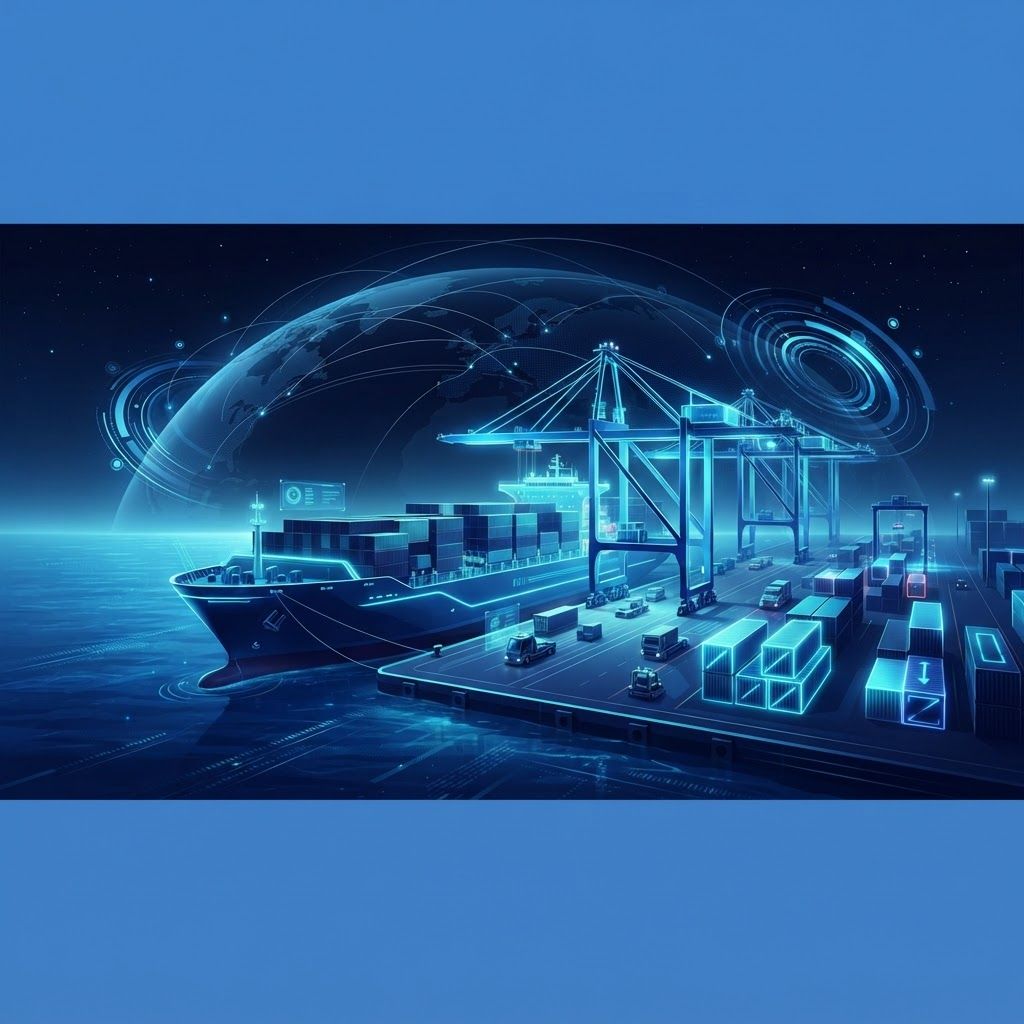
Swansea and the Sea
Swansea's relationship with shipping goes back centuries, from the copper trade that gave the city its industrial identity to the coal and metals exports that once filled the docks. Today the Port of Swansea handles a more varied mix: bulk cargoes such as aggregates and agricultural products, steel and metal products, project and heavy lift consignments, recycled materials and general cargo. The port sits close to the city centre, with quayside handling equipment, warehousing and open storage supported by direct road access to the M4.
Just as importantly, Swansea businesses can reach several other maritime gateways within a manageable drive. Port Talbot's deep-water facility handles large bulk vessels, Milford Haven serves energy and liquid bulk traffic, and the container ports of Bristol, Southampton, Liverpool and Felixstowe provide deep-sea container connections. Ferry links from Pembrokeshire ports to Ireland add roll-on roll-off capability for trailers and unaccompanied freight.
Types of Sea Freight Explained
Containerised shipping dominates general cargo. A full container load dedicates an entire box to one shipper, while less than container load consolidates multiple shippers' goods, which lowers cost for smaller consignments. Bulk shipping carries unpackaged cargo such as grain, ore, aggregates and coal in vessel holds. Break bulk covers items loaded individually, including steel coils, pipes and machinery. Roll-on roll-off suits wheeled cargo and trailers, while project cargo describes oversized or indivisible loads requiring engineered lifting plans.
Choosing between these depends on volume, urgency, packaging and destination. Sea freight is dramatically cheaper per tonne than air but slower, so it works best for planned replenishment rather than emergency shipments.
Top 10 Best Shipping Companies in Swansea
1. Associated British Ports Swansea. As owner and operator of the Port of Swansea, this organisation is the central player in the city's maritime economy. It provides berths, cargo handling plant, warehousing, storage land and stevedoring coordination, and it works with a wide range of shipping lines and agents calling at the port.
2. Maersk. The world's leading container shipping and integrated logistics group serves Welsh importers and exporters through United Kingdom container terminals, offering global schedules, inland haulage, customs services and end-to-end supply chain visibility. For businesses shipping regular container volumes to Asia or the Americas, it is a default consideration.
3. Mediterranean Shipping Company. Another global container line with extensive United Kingdom coverage, this carrier offers competitive routings, reefer capability for temperature-sensitive goods and strong European short-sea connections. Its network breadth makes it useful for less common destinations.
4. CMA CGM. A major container operator with comprehensive global services, this line is frequently used by Welsh exporters for both deep-sea and short-sea movements, supported by logistics subsidiaries that can arrange door-to-door delivery rather than port-to-port only.
5. Irish Ferries. Providing roll-on roll-off freight and passenger services between Pembrokeshire and Ireland, this operator is highly relevant to Swansea businesses trading with the Irish market. Trailer and unaccompanied unit options give hauliers flexibility on driver hours and turnaround times.
6. Stena Line. Operating on the Wales to Ireland corridor, Stena Line offers freight capacity, regular sailings and integrated logistics support. Combined with road haulage from Swansea, it forms one of the most practical export routes for time-sensitive Irish traffic.
7. Swansea Bay Shipping Agency Services. Ship agents represent vessel owners and charterers in port, arranging pilotage, berths, customs formalities, crew requirements, bunkering and cargo documentation. Agencies serving the Swansea and Port Talbot area are essential to smooth vessel turnaround and are often the first point of contact for chartering enquiries.
8. Tawe Marine Freight Forwarders. Forwarders specialising in ocean freight book space with carriers, consolidate less than container load cargo, handle export declarations and origin documentation, arrange marine insurance and coordinate inland transport. For small and medium exporters they remove most of the complexity of international shipping.
9. Port Talbot Bulk Cargo Operators. Serving the deep-water facility close to Swansea, bulk specialists handle iron ore, coal, aggregates and industrial minerals with dedicated discharge equipment and conveyor systems. Their capability underpins the region's heavy manufacturing base.
10. Gower Project and Heavy Lift Shipping Specialists. Renewable energy components, transformers, industrial plant and structural steel require engineered lifting, sea fastening and route planning from quay to site. Providers in this niche combine marine expertise with abnormal load road transport, an increasingly important capability as offshore and onshore energy projects progress around Swansea Bay.
Documentation and Compliance
Sea freight is paperwork intensive, and errors cause costly delays. Core documents include the bill of lading, commercial invoice, packing list, certificate of origin where required and any product-specific certification. Since changes to United Kingdom and European Union trading arrangements, correct commodity classification, origin declarations and import or export customs entries have become critical.
Incoterms deserve particular attention because they define who pays for what and where risk transfers. A quotation on one basis is not comparable with another, so always confirm whether prices include origin charges, ocean freight, destination handling, duty and final delivery. Marine insurance should also be arranged deliberately rather than assumed, as carrier liability limits are typically far below cargo value.
Trends in Maritime Freight
Decarbonisation is transforming shipping. Alternative fuels, slow steaming, hull efficiency measures and shore power at berth are reducing emissions, while carbon reporting is becoming a routine customer expectation. Digitalisation is the second trend, with electronic bills of lading, online booking platforms and container tracking now standard among major lines.
Capacity and rate volatility remain a fact of life. Freight rates can swing sharply with global demand, canal disruptions and vessel availability, which is why many Swansea exporters now use a mix of contracted allocations and spot bookings. Finally, there is renewed interest in short-sea and coastal shipping for domestic flows, as it offers lower emissions per tonne than long-distance road haulage.
Final Thoughts
Swansea's shipping options combine a working local port for bulk, break bulk and project cargo with straightforward access to container and roll-on roll-off gateways across Wales and the South West. Global container lines, ferry operators, port authorities, ship agents and forwarders each play distinct roles. Match the provider to the cargo type, get quotations on an identical Incoterms basis, and sea freight becomes a highly cost-effective element of a South Wales supply chain.
Want your brand featured in front of decision-makers? Publish a guest post or get a link insertion in our guides through AAMAX's guest post and link insertion service.
Helpful Links
 SponsoredAAMAX — Full-Service Digital Agency
Write for Us
Share your expertise with our readers. We welcome guest contributions from industry specialists.
Pitch your idea

