

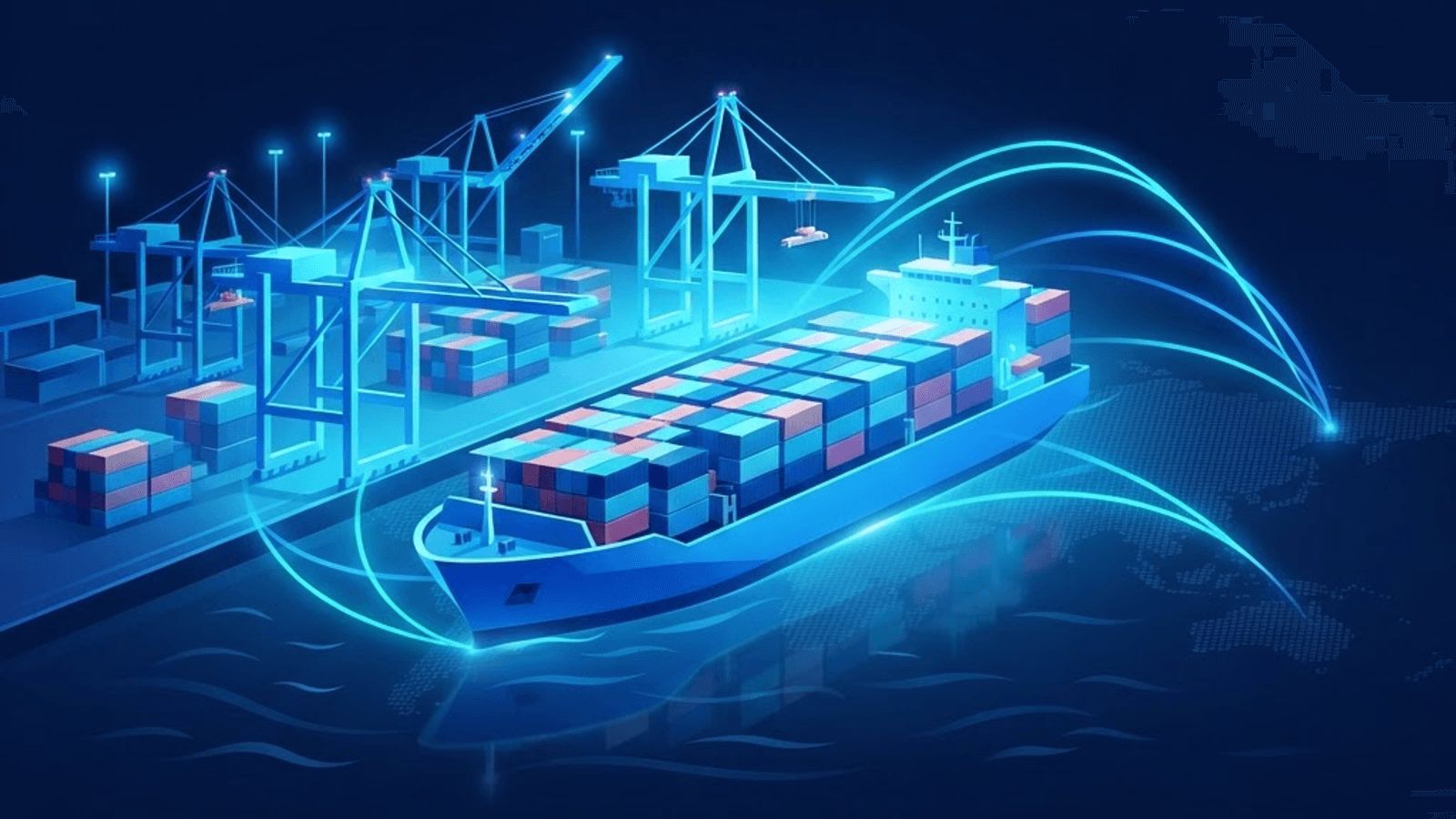
Why Shipping Matters to an Inner West Suburb
Ashfield is not a port suburb, but it is a trading one. The area's retailers, wholesalers, restaurants and importers bring in goods from Asia, Europe and the Americas continuously, and its residents ship personal effects internationally more often than the Sydney average because of strong family connections abroad. Port Botany is close enough that container collection and delivery to inner west premises is a routine same-day movement.
Shipping is also the area of transport where inexperience costs the most. A shipment can clear the ocean leg at a modest cost and then accumulate charges at destination that exceed the freight rate. Understanding the structure before you commit is the difference between a predictable landed cost and an unpleasant invoice.
Ten Shipping Companies and Providers Serving Ashfield
1. Ashfield International Shipping
A local freight forwarder handling full container and less-than-container-load imports, with customs brokerage and delivery to inner west addresses. Its value is accessibility, small importers get direct contact with an experienced operator rather than a call centre.
2. Maersk
One of the largest container lines globally, offering extensive sailing schedules, reliable transit times and integrated inland services. Suited to businesses with regular full container volumes.
3. MSC
A major global carrier with broad network coverage including secondary ports, useful for importers sourcing from origins that the largest trade lanes do not serve directly.
4. CMA CGM
Strong coverage on Asia-Australia and Europe-Australia trades, with competitive scheduling and a well-developed reefer network for temperature-controlled cargo.
5. Meridian Customs Brokerage
A licensed customs broker focused on tariff classification, duty and tax calculation, permits and clearance. Engaged alongside a carrier or forwarder where compliance complexity is high.
6. Pacific Consolidators
Specialises in less-than-container-load consolidation, grouping multiple small shipments into shared containers. The practical route to market for small importers who cannot fill a container.
7. Southbound Removals International
Handles personal effects and household goods shipping, including packing, export documentation, quarantine requirements and destination delivery. Relevant for the suburb's many residents relocating internationally.
8. Coldsea Reefer Logistics
Temperature-controlled container shipping for food and perishable imports, with monitored reefer containers and compliance documentation for biosecurity requirements.
9. Swiftport Container Transport
Local container haulage between Port Botany, empty container parks and inner west premises, including side-loader delivery for sites without dock facilities, a common constraint in the area.
10. Global Trade Support Services
Advisory and documentation support covering letters of credit, certificates of origin, free trade agreement claims and export compliance, aimed at businesses new to international trade.
Understanding Incoterms
Incoterms define where responsibility, cost and risk transfer between seller and buyer, and misunderstanding them is the most common source of unexpected cost. Under FOB terms, the buyer arranges and pays for ocean freight and everything after, which gives control over carrier selection. Under CIF, the seller arranges ocean freight, which sounds convenient but often means the buyer pays inflated destination charges to a nominated agent.
Experienced importers generally prefer FOB precisely because destination charges are where margin leaks. If you are quoting suppliers, ask for FOB pricing and arrange the freight yourself through a forwarder you have chosen.
Container Options and Costs
Full container load makes sense once volume approaches container capacity, offering the lowest cost per unit and reduced handling damage. Less-than-container-load suits smaller volumes but is charged on cubic measurement, adds consolidation and deconsolidation handling, and generally takes longer because of grouping and unpacking at both ends.
Beyond the freight rate, expect terminal handling charges at both ports, documentation fees, customs entry fees, quarantine inspection charges where applicable, duty and goods and services tax, container detention if you hold the box too long, and delivery cartage. A complete landed cost estimate should list every one of these before you commit.
Customs, Duty and Biosecurity
Tariff classification determines duty, and free trade agreements can reduce or eliminate it where the goods qualify and correct certificates of origin exist. Claiming preference without documentation creates an exposure; failing to claim it when eligible wastes money. A licensed broker resolves both.
Biosecurity requirements are strict, particularly for timber packaging, food products, plant material and anything with soil contamination risk. Non-compliant shipments face treatment, re-export or destruction at the importer's cost, and delays of weeks. Confirming packaging standards with your supplier before shipment prevents almost all of these problems.
Marine Insurance
Carrier liability under international conventions is limited and frequently far below cargo value. Marine cargo insurance is inexpensive relative to shipment value and covers the full door-to-door journey. For high-value or fragile goods it is not optional. Read the policy for exclusions relating to packaging adequacy, since claims are commonly denied on that basis.
Industry Trends
Freight rates remain volatile, driven by capacity cycles, fuel costs and disruption on major trade routes. Importers are responding by holding slightly larger safety stocks and diversifying sourcing origins. Digitalisation has improved visibility, with electronic bills of lading and container tracking now widely available. Environmental regulation on vessel emissions is progressively raising costs on some lanes while pushing carriers toward newer, more efficient tonnage.
Final Thoughts
Shipping rewards preparation more than negotiation. Choose your Incoterms deliberately, get a full landed cost breakdown including destination charges, engage a licensed broker for classification, insure the cargo properly, and confirm packaging meets biosecurity standards before the container is sealed. Handled that way, international shipping becomes a predictable line item rather than a recurring source of surprise.
Want your brand featured in front of decision-makers? Publish a guest post or get a link insertion in our guides through AAMAX's guest post and link insertion service.
Helpful Links
 SponsoredAAMAX — Full-Service Digital Agency
Write for Us
Share your expertise with our readers. We welcome guest contributions from industry specialists.
Pitch your idea

