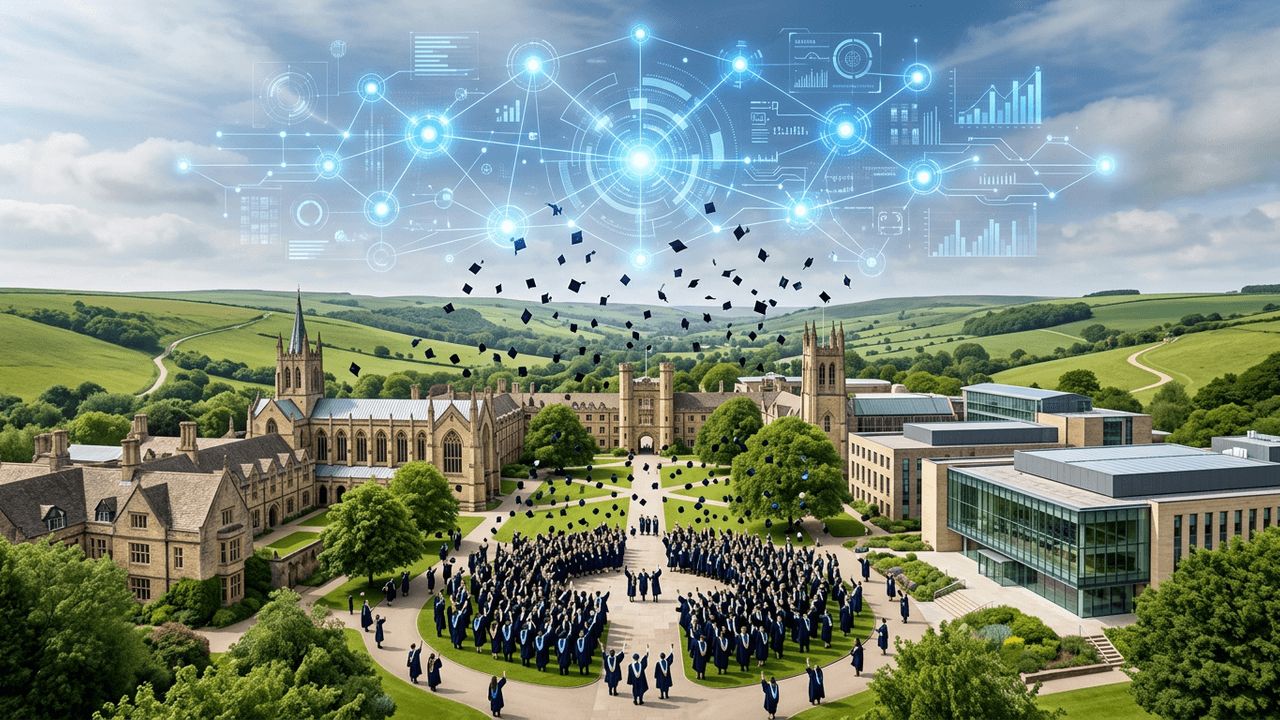
Education at the Heart of Camden
Few London boroughs pack as much educational ambition into as small an area as Camden. Within a short walk of one another sit centuries-old independent schools, faith schools with deep community roots, comprehensives with national reputations for music and drama, and specialist provision for pupils with additional needs. That density is partly historical, shaped by the borough's long association with learning through Bloomsbury's academic quarter, and partly demographic: Camden's population is strikingly diverse, and its schools reflect a genuinely international mix of languages, cultures and aspirations.
For families, this abundance is both a gift and a challenge. Choice is wide, but so is variation in ethos, admissions policy and curriculum emphasis. The strongest Camden schools tend to share a handful of traits: stable and visible leadership, a broad curriculum that resists narrowing to exam subjects alone, strong pastoral care, and an unapologetic commitment to enrichment through sport, music, debating and the arts.
Ten Schools That Define Camden's Reputation
1. Camden School for Girls. Founded in the nineteenth century by a pioneering educational reformer, this school has an enduring reputation for academic rigour combined with a liberal, questioning culture. Outcomes at GCSE and A level are consistently strong, and its sixth form attracts applicants from across north London. Music, politics and social activism run through the student body.
2. Parliament Hill School. A comprehensive with a long-standing commitment to inclusive excellence, Parliament Hill is known for its supportive tutoring structure, strong performing arts provision and effective transition support for pupils arriving from a wide range of primaries. Its shared sixth form arrangements broaden subject choice considerably.
3. Acland Burghley School. Housed in a striking brutalist building, Acland Burghley has built a distinctive identity around creative arts, film and media alongside solid core academics. The school's theatre and community engagement programmes make it a genuine local cultural asset as well as a place of learning.
4. Haverstock School. A large, richly diverse comprehensive with a reputation for inclusion and for supporting pupils with English as an additional language. Its focus on careers education, employer engagement and enterprise gives students an unusually clear line of sight from classroom to workplace.
5. La Sainte Union Catholic School. A faith school with a strong pastoral ethos, LSU combines academic aspiration with an emphasis on service and community. Families value the consistency of behaviour expectations and the visible continuity of values from Year 7 through sixth form.
6. Hampstead School. Long a byword for international outlook, Hampstead School serves a community speaking dozens of home languages and turns that plurality into a curricular strength. Modern languages, humanities and a well-developed enrichment offer are particular highlights.
7. Regent High School. Serving the Somers Town and Euston communities, Regent High has invested heavily in science, technology and mathematics, partly through partnerships with the research and life-science institutions clustered nearby. Small cohort sizes support close monitoring of individual progress.
8. UCL Academy. A secondary school with a formal university sponsorship relationship, giving pupils access to research-informed teaching, academic mentoring and a strong culture of independent study. Its emphasis on scientific enquiry and structured super-curricular activity suits ambitious learners well.
9. Eleanor Palmer Primary School. Widely admired among Camden primaries for the quality of its teaching in mathematics and its outdoor learning, this school demonstrates how a small primary can build an exceptional culture. Parental involvement is high and transition support to secondary is thoughtful.
10. Swiss Cottage School. A specialist provision serving pupils with a wide range of complex needs, recognised for therapeutic integration, highly individualised planning and outreach that supports mainstream colleagues across the borough. It is often cited as a model of what genuinely inclusive education can look like.
What Camden Parents Should Actually Look For
League tables are a starting point, never a conclusion. Raw attainment reflects intake as much as teaching, so pay closer attention to progress measures, which show how far pupils travel from their own starting points. Beyond data, three questions reveal a great deal. First, how does the school handle the ordinary difficulties of adolescence? Ask specifically about behaviour policy, anti-bullying practice and how quickly a parent can reach a named adult. Second, what happens to pupils who are neither struggling nor exceptional, the quiet middle who can drift in a large school? Third, how wide is the enrichment offer, and is it genuinely accessible to all rather than reliant on paid extras?
Admissions and Practicalities
Camden's admissions landscape is competitive and geographically tight. Distance criteria can be measured in a few hundred metres in oversubscribed years, faith schools apply their own supplementary requirements, and independent schools run their own assessment timetables typically a year ahead of entry. Attend open evenings in person, ideally with your child, and visit at the start or end of the school day to see how pupils actually behave when no tour is underway. Consider travel realistically: a marginally better-rated school forty minutes away can cost a child hours of sleep and independence each week.
Trends Shaping Camden Schools
Several developments are worth noting. Mental health provision has moved from the margins to the centre, with more schools employing in-house counsellors and training staff in trauma-informed practice. Digital literacy and artificial intelligence policy have become live curricular issues, with schools working out how to teach with these tools rather than merely police them. There is also renewed emphasis on oracy, the explicit teaching of spoken articulacy, which suits Camden's multilingual population and has measurable effects on written outcomes. Finally, partnerships with the borough's universities, hospitals and cultural institutions are deepening, giving pupils access to laboratories, archives, theatres and mentors that few other areas can match.
Conclusion
The strength of Camden's schools lies less in any single institution than in the range available and the seriousness with which the borough treats education. A family here can reasonably find a school that fits a scientifically minded child, a performer, a pupil who needs specialist support, or one who simply thrives in a warm and orderly community. The task is not to chase a name but to match a child to a culture. Visit widely, ask direct questions, listen to current parents and pupils, and trust the impression a school leaves when you walk its corridors.
Want your brand featured in front of decision-makers? Publish a guest post or get a link insertion in our guides through AAMAX's guest post and link insertion service.
Helpful Links
 SponsoredAAMAX — Full-Service Digital Agency
Write for Us
Share your expertise with our readers. We welcome guest contributions from industry specialists.
Pitch your idea