Why Roofing Is Especially Demanding in Arun
Roofs across the Arun district face a genuinely harsh working environment. Exposure to Channel weather brings strong prevailing south-westerly winds, driving rain that penetrates joints and laps, and salt-laden air that corrodes fixings, flashings and fasteners far faster than inland conditions. Coastal properties in Bognor Regis, Felpham, Littlehampton and Rustington are particularly exposed, and wind uplift on roof coverings is a serious design consideration rather than a theoretical one.
The district's varied building stock adds complexity. Victorian and Edwardian coastal properties typically have slate or clay tile pitched roofs with lead valleys and chimney flashings. Interwar and post-war housing commonly uses concrete interlocking tiles. Rural properties towards the South Downs may have handmade clay tiles, natural slate or, occasionally, thatch. Flat roofs on extensions, garages and commercial buildings require entirely different membrane technologies. A contractor competent in one of these areas is not automatically competent across all of them.
What Makes a Roof Last
Roof longevity depends on details that are easy to get wrong. Correct fixing specification matters enormously in exposed locations, with mechanical fixing of perimeter and ridge tiles rather than reliance on mortar alone. Breathable underlay must be properly lapped and supported. Ventilation at eaves and ridge prevents condensation in the roof void, which is a common cause of timber decay and mould. Flashings should be lead or a suitable alternative, correctly dressed and secured, not simply sealed with mastic. Valleys and abutments need proper detailing rather than improvised solutions. Rainwater goods must be sized for intense rainfall and kept clear.
1. Arun Roofing Contractors
Arun Roofing Contractors provides comprehensive pitched and flat roofing services including full re-roofing, tile and slate repair, lead work, flat roof replacement and rainwater goods. The firm's specification practice reflects genuine coastal exposure, using enhanced mechanical fixing patterns and stainless fixings as standard. Detailed written reports with photographic evidence before quoting are a consistently praised feature.
2. Bognor Regis Roofing and Leadwork
Bognor Regis Roofing and Leadwork combines general roofing with specialist lead work, covering valleys, chimney flashings, parapet gutters, bay roofs and decorative lead detailing. Traditional lead craftsmanship is increasingly scarce, and correctly executed leadwork substantially outlasts the mastic-and-flashband repairs that less skilled operators apply to the same details.
3. Littlehampton Flat Roofing Specialists
Littlehampton Flat Roofing Specialists focuses exclusively on flat roof systems including single ply membranes, liquid applied coatings, glass reinforced plastic and high performance built-up felt. The firm advises on appropriate falls, insulation build-up, vapour control and detailing at upstands and outlets, addressing the design failures that cause the majority of flat roof problems rather than simply recovering existing defective construction.
4. Rustington Tiling and Slating Contractors
Rustington Tiling and Slating Contractors specialises in pitched roof coverings, working with natural slate, clay plain tiles, interlocking concrete tiles and fibre cement slates. The team's understanding of correct headlap, batten gauge, side lap and fixing requirements for each material and pitch is fundamental to weathertightness, and its work frequently corrects the specification errors found on previous re-roofs.
5. Arundel Heritage and Conservation Roofing
Arundel Heritage and Conservation Roofing works on listed buildings and conservation area properties, using traditional materials and techniques including handmade clay tiles, natural slate, lime torching, oak repairs to roof structures and traditional lead detailing. The firm's ability to source appropriate reclaimed and matching materials, and to work within consent constraints, makes it a key resource for the district's historic buildings.
6. Felpham Storm Damage and Emergency Roofing
Felpham Storm Damage and Emergency Roofing responds to wind and storm damage, providing rapid temporary weatherproofing, tarpaulin covering, dislodged tile replacement and permanent repair. Given the frequency of significant coastal wind events, this responsiveness matters considerably, and the firm's documentation of damage supports insurance claims effectively.
7. Barnham Commercial and Industrial Roofing
Barnham Commercial and Industrial Roofing works on large-span roofs including profiled metal sheeting, composite panels, roof lights, gutter lining and over-roofing of existing coverings. Capabilities include safe working at height on extensive roof areas, coordination with occupied industrial operations and thermal upgrading of older industrial roofs to reduce energy losses.
8. Angmering Roofline and Rainwater Systems
Angmering Roofline and Rainwater Systems concentrates on fascias, soffits, bargeboards, gutters and downpipes. These components are often neglected until failure, yet blocked or undersized gutters cause damp penetration, and rotten soffits allow water and pests into roof voids. The firm's use of durable materials and correct gutter sizing for intense rainfall reduces recurring problems in exposed coastal locations.
9. South Downs Thatching and Traditional Roofing
South Downs Thatching and Traditional Roofing serves the small but significant number of thatched properties in the district's rural parishes. Thatching is a highly specialised craft requiring correct material selection, appropriate pitch, careful ridge work and understanding of fire safety measures. Regular maintenance and ridge replacement at appropriate intervals substantially extend the life of a thatched roof.
10. Arun Solar and Green Roof Installers
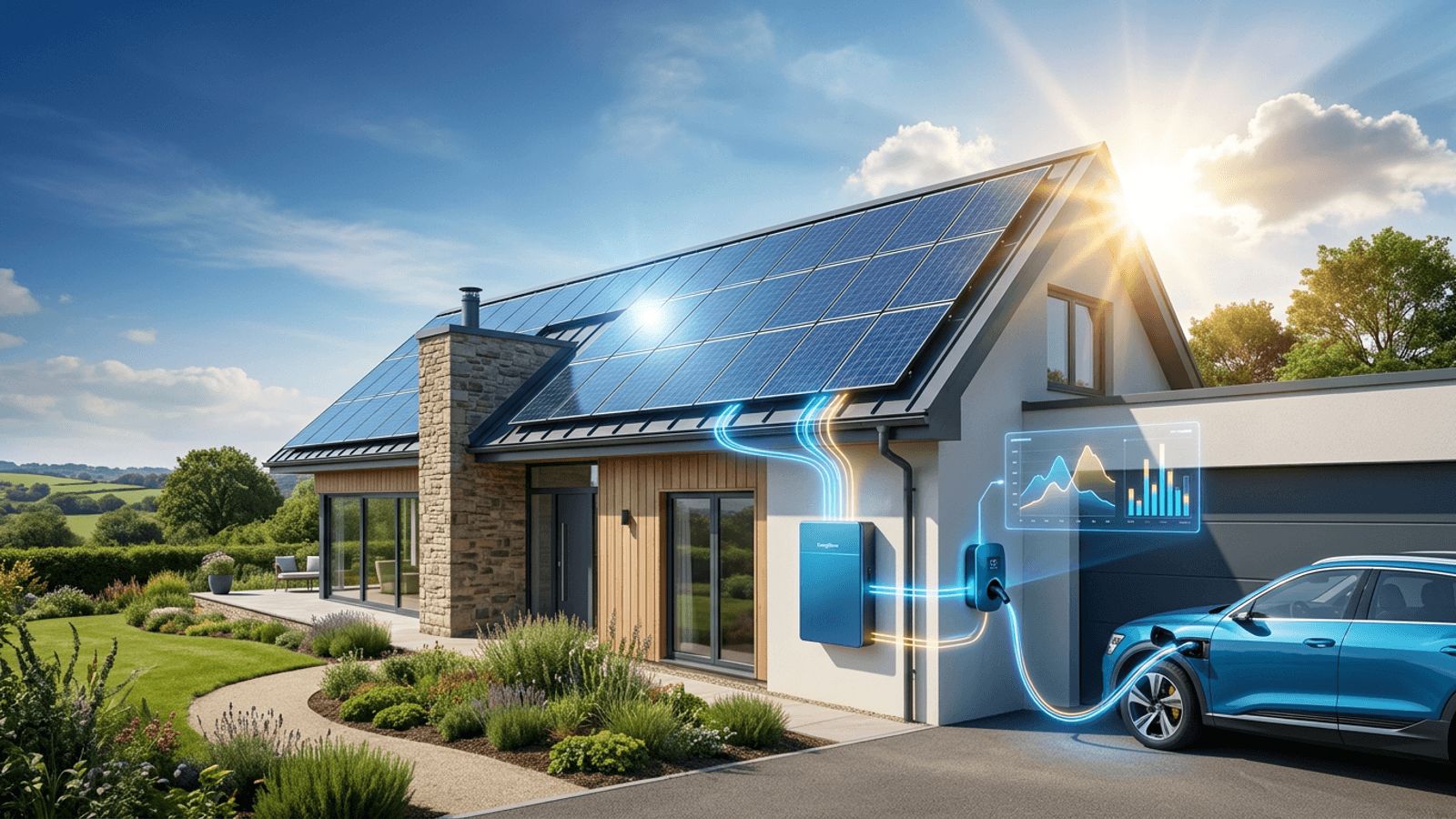
Arun Solar and Green Roof Installers integrates solar photovoltaic systems and living roof build-ups with roofing work. Combining solar installation with re-roofing is far more efficient than treating them separately, ensuring proper weatherproofing at penetrations and correct structural assessment of additional loading. Green roofs offer drainage attenuation and biodiversity benefit, both increasingly relevant to local planning requirements.
Recognising When a Roof Needs Attention
Several signs warrant investigation. Slipped, cracked or missing tiles indicate fixing failure or material degradation. Damp patches on upper floor ceilings, particularly near chimneys or valleys, suggest flashing failure. Sagging roof lines can indicate structural problems in rafters or purlins. Granular debris in gutters from felt or concrete tiles shows surface deterioration. Daylight visible through the roof from inside the loft, condensation, or mould on rafters point to underlay failure or inadequate ventilation. Vegetation growth on the roof surface retains moisture and accelerates decay.
Repair Versus Replacement
Deciding between repair and full replacement depends on the extent of deterioration. Isolated damage on an otherwise sound roof is straightforwardly repairable. Where a significant proportion of fixings have failed, underlay has degraded, or the covering is at the end of its service life, patch repairs become an ongoing expense that ultimately costs more than re-roofing. Re-roofing also provides the opportunity to upgrade insulation, install proper ventilation and correct any structural deficiencies, which delivers value beyond weatherproofing alone.
Safety and Compliance
Roofing carries significant safety obligations. Work should be carried out from properly erected scaffolding with edge protection, not from ladders alone, and reputable contractors will include scaffolding in their quotations rather than cutting corners. Re-roofing more than a defined proportion of a roof triggers building regulations requirements, typically including insulation upgrading to current standards. Work on listed buildings requires consent. Contractors should hold public liability insurance and provide guarantees on both workmanship and materials, with insurance-backed guarantees offering additional security.
Trends in Roofing
The trade is evolving in response to climate and energy priorities. Integrated and in-roof solar systems are increasingly specified during re-roofing rather than retrofitted later. Higher insulation standards are driving warm roof construction on flat roofs and improved detailing at eaves on pitched roofs. Enhanced fixing specifications are becoming standard as wind loading data and exposure assessment improve. Liquid applied membranes are gaining share for complex flat roof geometries. There is also growing use of breathable membranes with correctly designed ventilation to manage the condensation risk that better-sealed buildings create.
Final Thoughts
Arun's roofing contractors cover pitched and flat systems, traditional leadwork, heritage materials, thatch, commercial roofs, storm response and integrated solar. Given the district's exposure to coastal wind, driving rain and salt corrosion, appointing a contractor who specifies enhanced fixings, proper ventilation and correctly detailed flashings is far more important than choosing on price alone. A well-specified roof protects everything beneath it for decades.
Want your brand featured in front of decision-makers? Publish a guest post or get a link insertion in our guides through AAMAX's guest post and link insertion service.
Helpful Links
 SponsoredAAMAX — Full-Service Digital Agency
Write for Us
Share your expertise with our readers. We welcome guest contributions from industry specialists.
Pitch your idea