

Why Renewable Energy Is Thriving in Newry, Mourne and Down
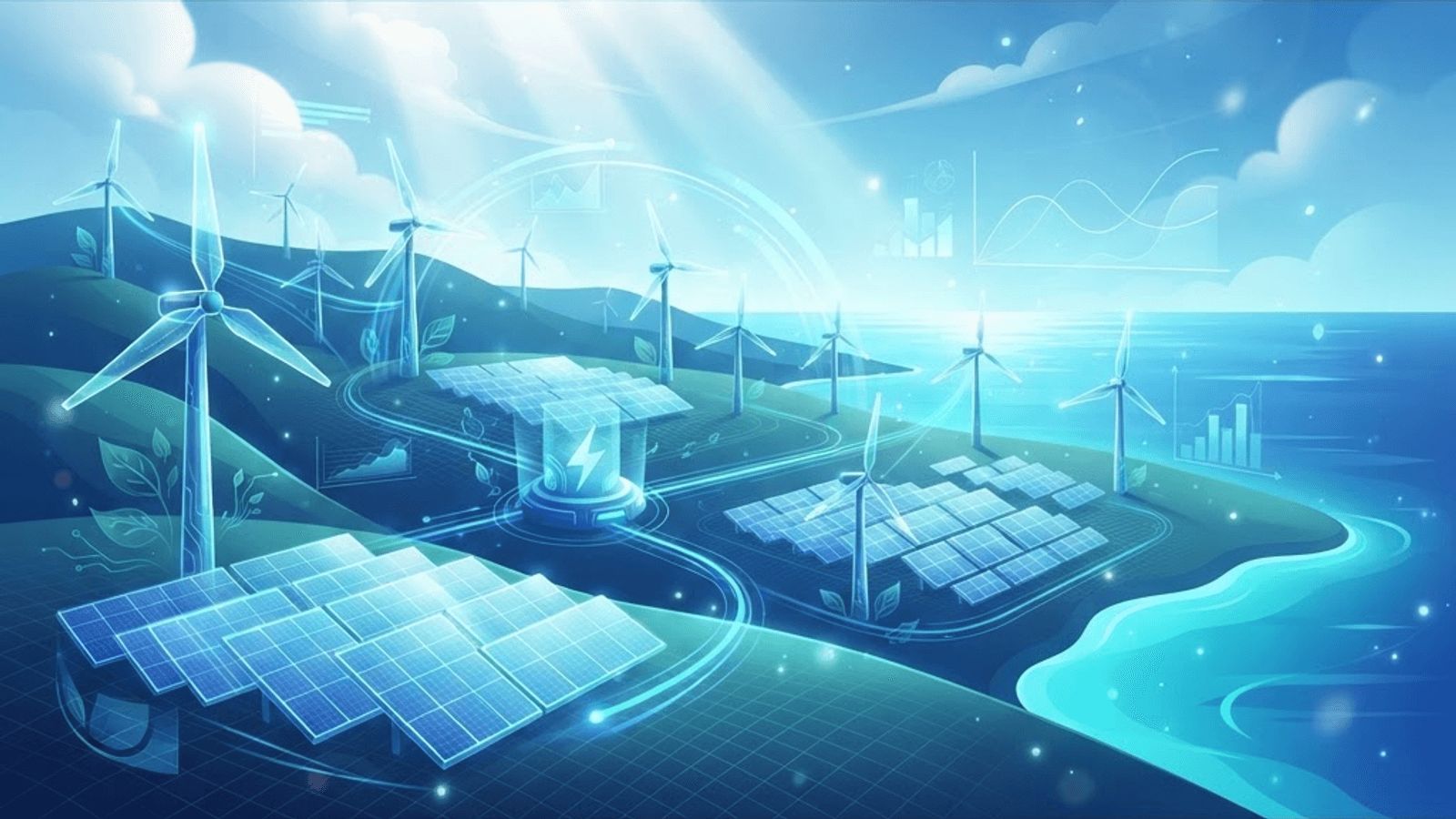
Newry, Mourne and Down possesses an unusually favourable combination of renewable energy resources. The Mourne Mountains and the upland areas of south Down offer elevated sites with strong, consistent wind. The Irish Sea coastline from Kilkeel to Strangford provides offshore and near-shore potential. Agricultural land across the district supports anaerobic digestion using slurry and crop residues. And a large stock of rural properties, farm buildings and industrial roofs presents substantial capacity for solar photovoltaic installation.
Policy has reinforced this natural advantage. Northern Ireland's Energy Strategy sets ambitious targets for renewable electricity generation, and the Climate Change Act for Northern Ireland establishes legally binding emissions reduction duties. Rising and volatile energy prices have transformed the commercial case for self-generation, and businesses across the district — food processors, engineering plants, hotels, farms — increasingly view renewables as a cost control measure rather than an environmental gesture.
The result is a mature local supply chain: developers, installers, electrical contractors, grid consultants, maintenance providers and battery specialists all operating within the district or serving it from nearby.
Choosing a Renewable Energy Company
Certification is the first filter. Look for Microgeneration Certification Scheme accreditation for domestic and small commercial installations, appropriate electrical competence body registration, and membership of recognised trade associations. These matter both for workmanship standards and for eligibility under support schemes and export arrangements.
Technical assessment quality separates good installers from poor ones. A credible company surveys the site properly, models generation realistically for the local climate, assesses roof structure and orientation, checks electrical infrastructure and explains grid connection requirements honestly. Companies producing optimistic generation figures without site-specific analysis should be treated with caution.
Grid connection expertise is critical in Northern Ireland, where network capacity constraints in some rural areas genuinely limit what can be connected and exported. Companies experienced in the connection application process can advise realistically at the feasibility stage rather than after equipment has been ordered.
Aftercare matters over a system's twenty-five year life. Ask about warranty terms for panels, inverters, turbines and batteries, what monitoring is provided, and whether the company offers ongoing maintenance. Consider financial stability too — a warranty is only as good as the business standing behind it.
The Top 10 Renewable Energy Companies in the District
1. Simple Power — A Northern Ireland renewable energy developer known for single wind turbine projects on farms and rural business sites. Its model of developing, financing and operating turbines while providing landowners with income has made it a familiar presence across south Down and the Mourne foothills, and it has substantial experience navigating planning and grid connection in constrained rural areas.
2. Gaelectric — With a strong track record in wind development across the island of Ireland, this developer has been involved in projects and energy storage initiatives relevant to the wider region. Its expertise spans site identification, environmental assessment, construction and long-term operation of utility-scale renewable assets.
3. RES Group Northern Ireland Operations — An international renewable energy developer with significant Northern Ireland activity, delivering onshore wind and battery storage. Its capability across development, construction and asset management makes it a major contributor to the region's generation capacity.
4. SSE Renewables — Operating substantial renewable generation across the island, SSE Renewables brings utility-scale expertise in onshore and offshore wind. Its investment in Irish Sea offshore development is directly relevant to the coastal communities of the district.
5. Solmatix Renewables — A Northern Ireland renewable energy specialist providing solar photovoltaic, solar thermal and heat pump installations for domestic, commercial and public sector clients. It is well regarded for technical design quality and for handling larger commercial rooftop projects with proper structural and electrical engineering input.
6. Kingspan Energy — With deep Irish manufacturing and building technology roots, Kingspan's energy division delivers integrated rooftop solar and building performance solutions. Its combination of insulation, building envelope and generation expertise suits industrial clients in the district looking to reduce total energy demand rather than only add generation.
7. Action Renewables — A Northern Ireland organisation providing independent renewable energy advice, feasibility assessment and support for community and business projects. Its impartial guidance is particularly valuable for farms, community groups and small businesses in the district weighing options before committing capital.
8. Greenland Renewable Energy — Serving Northern Ireland with solar, battery storage and energy efficiency installations. The company works across domestic and commercial sectors and is noted for combining photovoltaic systems with battery storage to maximise self-consumption, which matters greatly given export tariff economics.
9. Tandragee Renewables — A regional installer serving County Down and County Armagh with solar photovoltaic systems, biomass and heat pump technology. Its familiarity with rural properties, older buildings and agricultural sites is a practical advantage in this district.
10. Mourne Energy Solutions — A locally focused renewable energy and energy efficiency provider serving the Mourne and south Down area. It offers solar installation, heating system upgrades and insulation improvements, and appeals to homeowners who prefer a nearby contractor for installation and ongoing service.
Trends Shaping the Local Renewable Sector
Battery storage has become the defining growth area. Without storage, much domestic solar generation is exported at modest rates while households buy back power at higher prices in the evening. Batteries shift that balance, and falling costs combined with time-of-use tariffs have made storage a standard part of new installations rather than a premium extra.
Agricultural renewables continue to expand. Farms across the district generate slurry suited to anaerobic digestion, have large shed roofs ideal for solar, and hold land suitable for turbines. Diversifying farm income through energy generation has become an established strategy, though planning and grid constraints require careful navigation.
Heat is the next frontier. Electricity decarbonisation has progressed considerably faster than heating, and much of the district relies on oil-fired boilers. Air source heat pumps are gaining ground, particularly in new build and well-insulated properties, though retrofit into older stone-built Mourne housing requires careful design and fabric improvement first.
Offshore wind in the Irish Sea represents a significant medium-term opportunity for Kilkeel, Warrenpoint and Ardglass. Harbour facilities, marine engineering skills from the fishing industry and existing port infrastructure position these communities to service offshore construction and maintenance activity.
Community energy is also growing, with local groups exploring shared ownership models that keep generation revenue circulating within the district rather than flowing to distant investors.
Making the Right Renewable Investment
Reduce demand before adding generation. Insulation, draught proofing, efficient lighting and controls almost always deliver better returns per pound than additional generating capacity, and they reduce the system size needed.
Obtain at least three detailed quotations and compare them properly. Look beyond headline cost to specified equipment, warranty length, expected generation, assumptions used in payback calculations and what is excluded — scaffolding, electrical upgrades, grid application fees and structural works are common omissions.
Understand the export arrangements available to you and model self-consumption honestly. A household away all day has a very different economic profile from a business consuming power during daylight hours. Match system size and storage to actual consumption patterns.
Check planning requirements early, particularly within the Mourne Area of Outstanding Natural Beauty or for listed buildings, where installations may need consent or design modification. Reputable companies advise on this before quoting.
The renewable sector in Newry, Mourne and Down is well developed and genuinely capable. With careful supplier selection and realistic expectations, both households and businesses across the district can achieve meaningful cost reductions and emissions savings that last decades.
Want your brand featured in front of decision-makers? Publish a guest post or get a link insertion in our guides through AAMAX's guest post and link insertion service.
Helpful Links
 SponsoredAAMAX — Full-Service Digital Agency
Write for Us
Share your expertise with our readers. We welcome guest contributions from industry specialists.
Pitch your idea

