The Foundation of Every Manufacturing Operation
Raw material supply is where manufacturing quality is either established or compromised. A metal fabricator working with steel of inconsistent composition, a moulder receiving polymer with variable melt flow, or a food producer given ingredients with unreliable specification will all produce defective output regardless of how good their processes are. Material consistency is not a detail; it is the base layer.
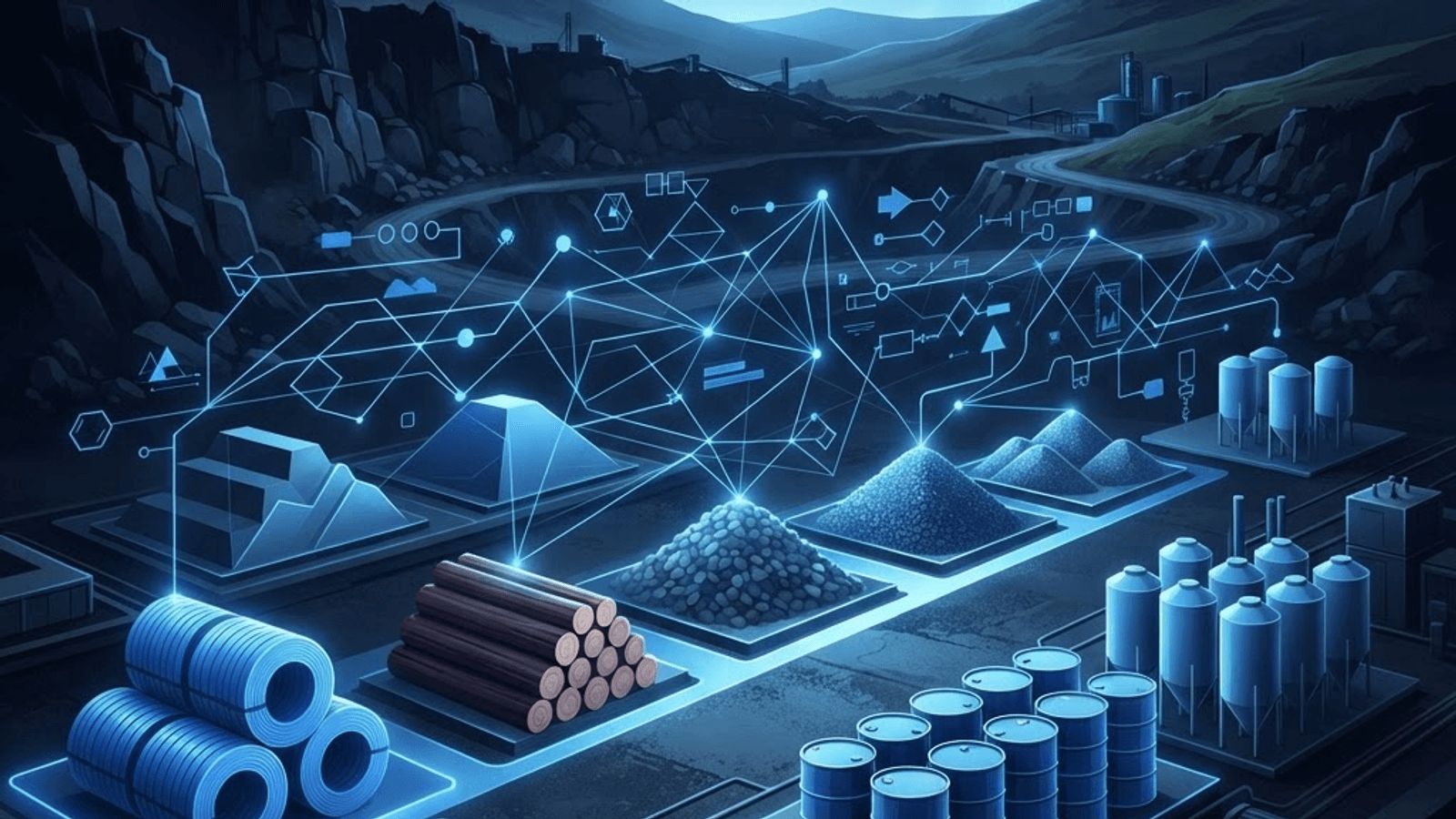
East Ayrshire's material supply network reflects the mix of industry in the region. Metals serve the substantial fabrication and engineering sector. Polymers feed plastics processors. Timber supports joinery and construction. Aggregates and minerals serve civil engineering. Chemicals support cleaning, water treatment and industrial processing. Food ingredients supply the region's bakeries, dairies and food manufacturers.
The Leading Raw Material Suppliers in East Ayrshire
Kilmarnock Metals and Steel Stockholding is a cornerstone supplier, holding sheet, plate, bar, tube and structural sections in mild steel, stainless and aluminium. Cutting, sawing and profiling services allow fabricators to receive material close to final size, reducing their own handling and waste. Full mill certification accompanies material, which is essential for structural and certified work.
Ayrshire Polymer Materials distributes plastic raw materials including granules, sheet, rod and tube across commodity and engineering grades. Technical support around material selection is central to the offer, since choosing between grades involves trade-offs between cost, strength, temperature resistance and processability that are not obvious from a datasheet alone.
Cumnock Timber and Wood Products supplies sawn and machined timber, sheet materials and engineered wood to joiners, manufacturers and builders. Kiln drying, grading and certified sourcing underpin the offer, and the business is valued for consistent moisture content, which prevents the movement and distortion that ruins finished joinery.
Irvine Valley Aggregates and Minerals provides sand, gravel, crushed stone, industrial minerals and specialist fillers. Quarrying and processing within the region keeps transport costs and emissions low, which matters considerably for high-volume, low-value materials where haulage can exceed material cost.
Stewarton Chemical Supplies distributes industrial chemicals, solvents, cleaning agents and process chemicals to manufacturers and facilities operators. Regulatory compliance, safe handling, correct labelling and safety data documentation are fundamental in this sector, and the business's discipline in these areas is its key differentiator.
Loudoun Textile and Fibre Supply connects to the Irvine Valley's weaving heritage, supplying yarns, fibres, technical textiles and nonwoven materials to manufacturers and makers. Technical textiles for filtration, insulation and industrial applications now form a growing part of the business alongside conventional apparel fibres.
Galston Food Ingredients supplies flour, sugar, dairy powders, fats, flavourings and functional ingredients to bakeries and food manufacturers. Food-grade traceability, allergen documentation and consistent specification are non-negotiable requirements, and the business maintains the certification necessary to support customers' own audits.
Hurlford Adhesives and Industrial Consumables provides adhesives, sealants, abrasives, lubricants and fastening systems. These materials are easy to overlook in planning yet capable of halting production entirely when unavailable, so reliable stock holding is the core value proposition.
Auchinleck Recycled and Secondary Materials supplies reprocessed materials including recycled polymers, crushed concrete aggregate, reclaimed timber and secondary metals. Cost advantages combine with genuine environmental benefit, and demand has risen as manufacturers face pressure to reduce embodied carbon in their products.
Mauchline Specialist Alloys and Non-Ferrous Metals covers copper, brass, bronze, titanium and specialist alloys in smaller quantities than large stockholders typically handle. Engineering businesses and repair specialists rely on suppliers willing to sell short lengths and offcuts rather than full bar stock.
Trends in Raw Material Supply
Supply chain resilience has permanently changed buying behaviour. After several years of disruption, manufacturers now value security of supply over marginal price advantage, and many have deliberately dual-sourced critical materials or increased buffer stock despite the working capital cost.
Embodied carbon reporting has arrived as a real commercial requirement. Customers increasingly ask for environmental product declarations, and material suppliers who can provide credible carbon data are being favoured in tenders. Recycled content is the most straightforward lever manufacturers have to reduce their reported footprint.
Price volatility remains a structural feature. Energy-intensive materials such as steel, aluminium and polymers respond sharply to energy market movements, and suppliers who communicate changes transparently and offer forward pricing where possible are valued far above those who simply pass on increases without warning.
Traceability and documentation requirements continue to expand, driven by regulation in food, construction and medical applications. Digital certification, where material certificates are supplied electronically and linked to batch numbers, has significantly reduced the administrative burden this creates.
Selecting Raw Material Suppliers
Specification consistency should be your primary criterion. Ask how the supplier controls batch-to-batch variation and what testing is performed. Request certification examples before placing business, and confirm that certificates are traceable to specific batches rather than generic.
Assess stock holding and lead times realistically. A supplier who holds material locally can respond to urgent requirements; one who orders everything in cannot, regardless of what the quotation promises.
Discuss value-added processing. Cutting, machining, drying or pre-blending performed by the supplier often costs less than doing it yourself and reduces your waste and handling.
Finally, review commercial arrangements including call-off contracts, consignment stock and forward pricing. These mechanisms can substantially reduce both working capital and exposure to price movement.
Final Thoughts
East Ayrshire's raw material supply network is deeper than the region's size might suggest, reflecting its genuine manufacturing base. From steel stockholding in Kilmarnock to food ingredients in Galston and recycled materials in Auchinleck, manufacturers can source most requirements within a short radius. Prioritising consistency, documentation and technical support over unit price remains the most reliable path to stable production quality.
Want your brand featured in front of decision-makers? Publish a guest post or get a link insertion in our guides through AAMAX's guest post and link insertion service.
Helpful Links
 SponsoredAAMAX — Full-Service Digital Agency
Write for Us
Share your expertise with our readers. We welcome guest contributions from industry specialists.
Pitch your idea