Southend-on-Sea's Unusual Rail Advantage
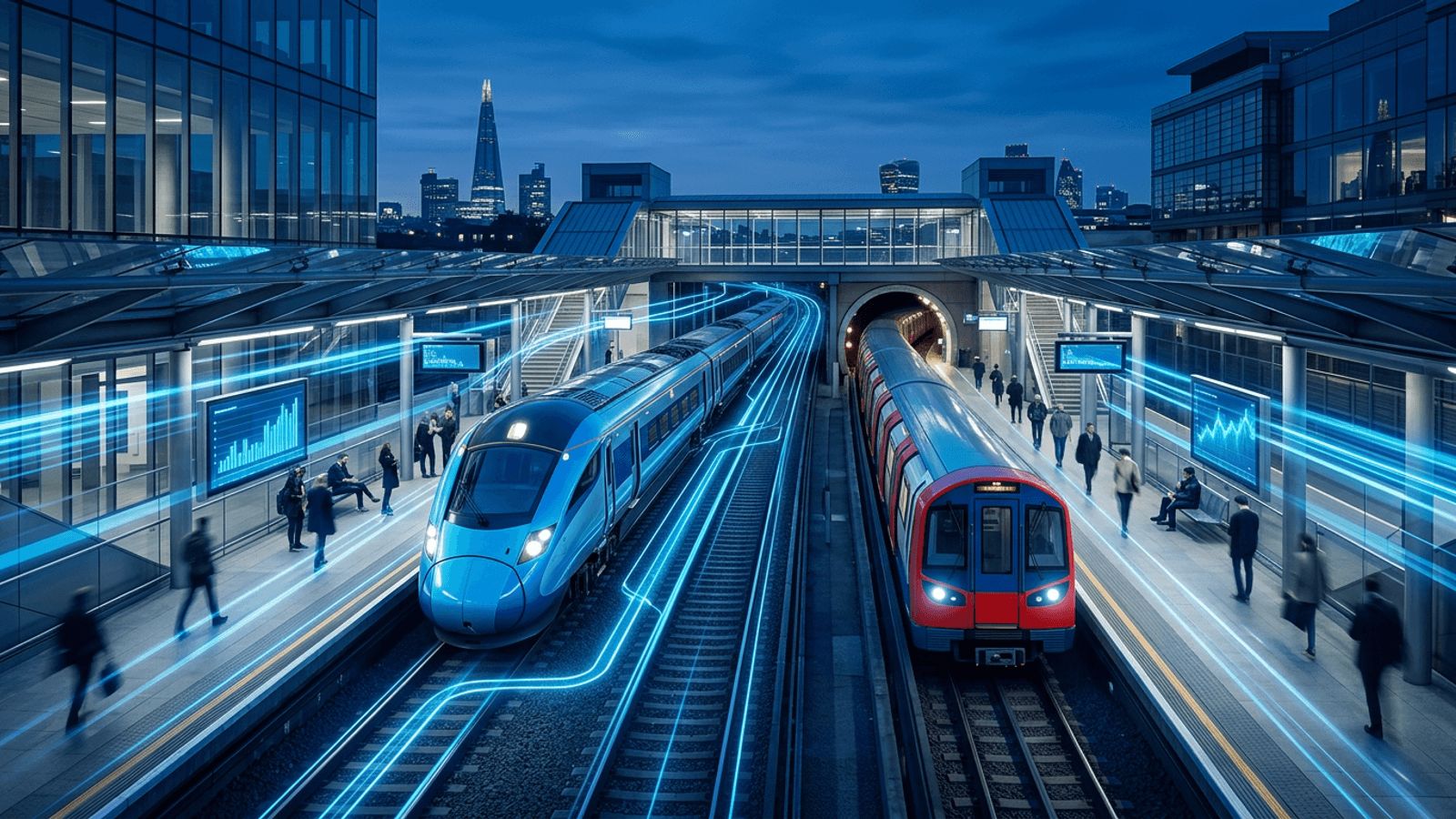
Few English seaside towns enjoy the rail connectivity that Southend-on-Sea does. Two independent routes run from the borough into the capital. One approaches from the north through Rochford and Wickford toward London Liverpool Street, while the other runs along the estuary through Chalkwell, Leigh-on-Sea and Basildon toward London Fenchurch Street. Between them they serve six stations within or immediately adjacent to the borough, including Southend Central, Southend East, Southend Victoria, Westcliff, Chalkwell and Thorpe Bay, plus Shoeburyness at the eastern terminus.
That dual-route structure gives residents genuine resilience. When engineering work or disruption affects one line, the other usually offers an alternative into London with a short bus or taxi transfer between stations. It is a key reason the town functions as a commuter base as well as a destination, and it underpins property demand along both corridors.
Understanding Who Does What on the Railway
Passengers usually think in terms of the company whose name appears on the train, but several organisations shape the experience. Train operators run the services and sell tickets. Infrastructure managers own and maintain the track, signalling and most stations. Rolling stock companies own the trains themselves and lease them to operators. Freight operators share the same network, largely overnight and outside peak hours. Passenger bodies and heritage organisations complete the picture.
Top 10 Best Railway Operators and Rail Organisations Serving Southend-on-Sea
1. c2c
c2c operates the estuary route between Shoeburyness, Southend Central, Leigh-on-Sea, Basildon and London Fenchurch Street, and it is consistently among the most punctual operators in the country. High peak frequency, a straightforward flat-fare structure on many journeys, smartcard and mobile ticketing and a modern electric fleet make it the default choice for Southend commuters. Its reputation for reliable timekeeping is the single most cited reason passengers prefer it.
2. Greater Anglia
Greater Anglia runs the northern route from Southend Victoria through Prittlewell, Rochford, Hockley, Rayleigh and Wickford to London Liverpool Street. Investment in new electric multiple units has substantially improved comfort, accessibility and reliability on the line. The operator also provides onward connections across East Anglia, opening up Cambridge, Norwich and Ipswich with a single change.
3. Network Rail
Network Rail owns and maintains the track, signalling, level crossings and structures on both Southend lines, and manages major renewal programmes. Its work is largely invisible when it goes well, but drainage improvements, embankment stabilisation near the estuary and resignalling schemes directly determine how dependable local services are. It also publishes engineering access plans that shape weekend timetables.
4. Transport for London Rail Services
While Transport for London does not run trains into Southend itself, its Elizabeth line and Underground networks are integral to onward journeys once passengers reach the capital. Contactless and Oyster acceptance at London terminals, coordinated interchange information and step-free route data make the London leg of a Southend journey considerably easier to plan.
5. GB Railfreight
Freight operators use the south Essex network for aggregates, construction materials and infrastructure trains, and GB Railfreight is among the most active. Overnight and off-peak paths carry materials for building projects and rail renewals, keeping large volumes of heavy goods off the A127 and A13. Its operations are a reminder that the railway serves the local economy as well as commuters.
6. Freightliner
Freightliner handles intermodal container traffic from the Thames and Haven ports along with heavy haul aggregates work, sharing sections of route used by Southend passenger services. Its container flows link the estuary terminals to inland distribution hubs, and its infrastructure trains support weekend engineering programmes across the region.
7. DB Cargo UK
Another significant freight presence in the wider Essex network, DB Cargo UK moves construction materials, waste and industrial products. For businesses in south Essex with sufficient volume, rail-based movement offers meaningful emissions savings compared with equivalent road haulage, and the operator provides terminal-to-terminal solutions with road collection at each end.
8. Rail Delivery Group
The Rail Delivery Group brings operators together on industry-wide matters including national ticketing, railcards and passenger information standards. Its work is the reason a single ticket can cover journeys involving both Southend routes and connecting services, and it administers the railcard schemes that make leisure travel from the town affordable for students, families and older passengers.
9. Transport Focus
As the independent watchdog for rail passengers, Transport Focus surveys satisfaction, publishes route-level findings and presses operators on issues that matter locally, such as peak crowding, station accessibility and disruption information. Southend passengers benefit from having an evidence-based advocate that can escalate persistent problems.
10. Mangapps Railway Museum
Rail heritage is part of the Essex story, and this nearby museum and working line preserves locomotives, carriages, signalling equipment and station artefacts, running heritage services on open days. For families and enthusiasts in Southend it provides an accessible day out and an educational window into how the region's railways developed.
Practical Tips for Southend Rail Travel
Choose your line by destination rather than habit. Fenchurch Street suits the City and Docklands, while Liverpool Street works better for Shoreditch, the northern City and East Anglian connections. Smartcards and mobile tickets remove queuing at busy peak times, and season ticket alternatives such as flexible carnets often suit hybrid working patterns better than a traditional annual pass. Check engineering notices before weekend travel, since planned works frequently affect one route while leaving the other unaffected.
Trends and Future Developments
Fleet modernisation on both routes has improved reliability and accessibility, with more step-free boarding and better passenger information screens. Digital ticketing continues to displace paper, and demand patterns have shifted markedly toward midweek peaks and stronger weekend leisure travel, prompting timetable review. Station accessibility upgrades and improved cycle parking are also gradually making multimodal journeys more practical across the borough.
Final Thoughts
Southend-on-Sea's two-line railway is one of the borough's genuine strategic assets. c2c and Greater Anglia deliver the passenger service, Network Rail keeps the infrastructure fit for purpose, freight operators quietly move the region's heavy goods, and industry and passenger bodies shape standards and value. Understanding how these organisations interact helps travellers plan better journeys and make the most of a network that many comparable towns simply do not have.
Want your brand featured in front of decision-makers? Publish a guest post or get a link insertion in our guides through AAMAX's guest post and link insertion service.
Helpful Links
 SponsoredAAMAX — Full-Service Digital Agency
Write for Us
Share your expertise with our readers. We welcome guest contributions from industry specialists.
Pitch your idea