A Station With Real Historical Significance
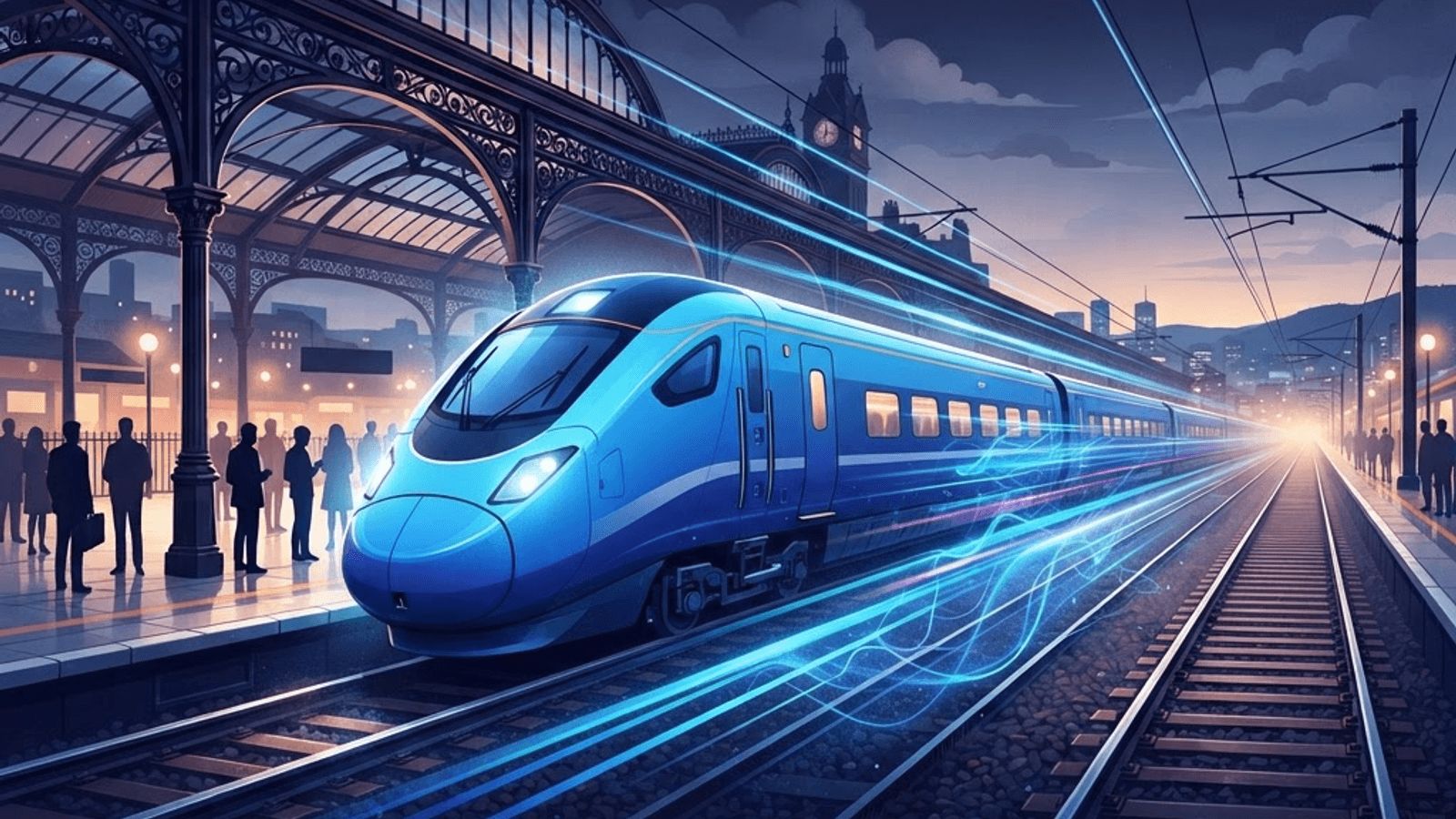
Slough's railway heritage runs deep. The station opened in the earliest years of the Great Western Railway, built along the route engineered by Isambard Kingdom Brunel between London and Bristol. Its distinctive French-influenced architecture, with prominent gables and a canopy structure, marks it out from the standard station designs of the period, and it remains a Grade Two listed building. The Windsor branch line, opened in the mid-nineteenth century to serve the royal household, still runs from the station today.
That history matters because it explains the shape of the modern network. Slough sits on the Great Western Main Line, one of the most important rail corridors in the country, and the town's connectivity has been repeatedly enhanced: first by electrification, then by the arrival of Elizabeth line services that transformed cross-London journeys. Today the station handles a substantial annual passenger flow, serving commuters, airport travellers, tourists heading to Windsor and students travelling to colleges and universities across the region.
Ten Key Railway Operators and Organisations
Great Western Railway is the principal mainline operator at Slough, running services towards London Paddington in one direction and Reading, Oxford, Bristol, South Wales and the West Country in the other. For passengers heading beyond the Thames Valley, GWR provides the fast intercity connections, with modern bi-mode trains offering considerably improved journey times and comfort compared with the previous generation of rolling stock.
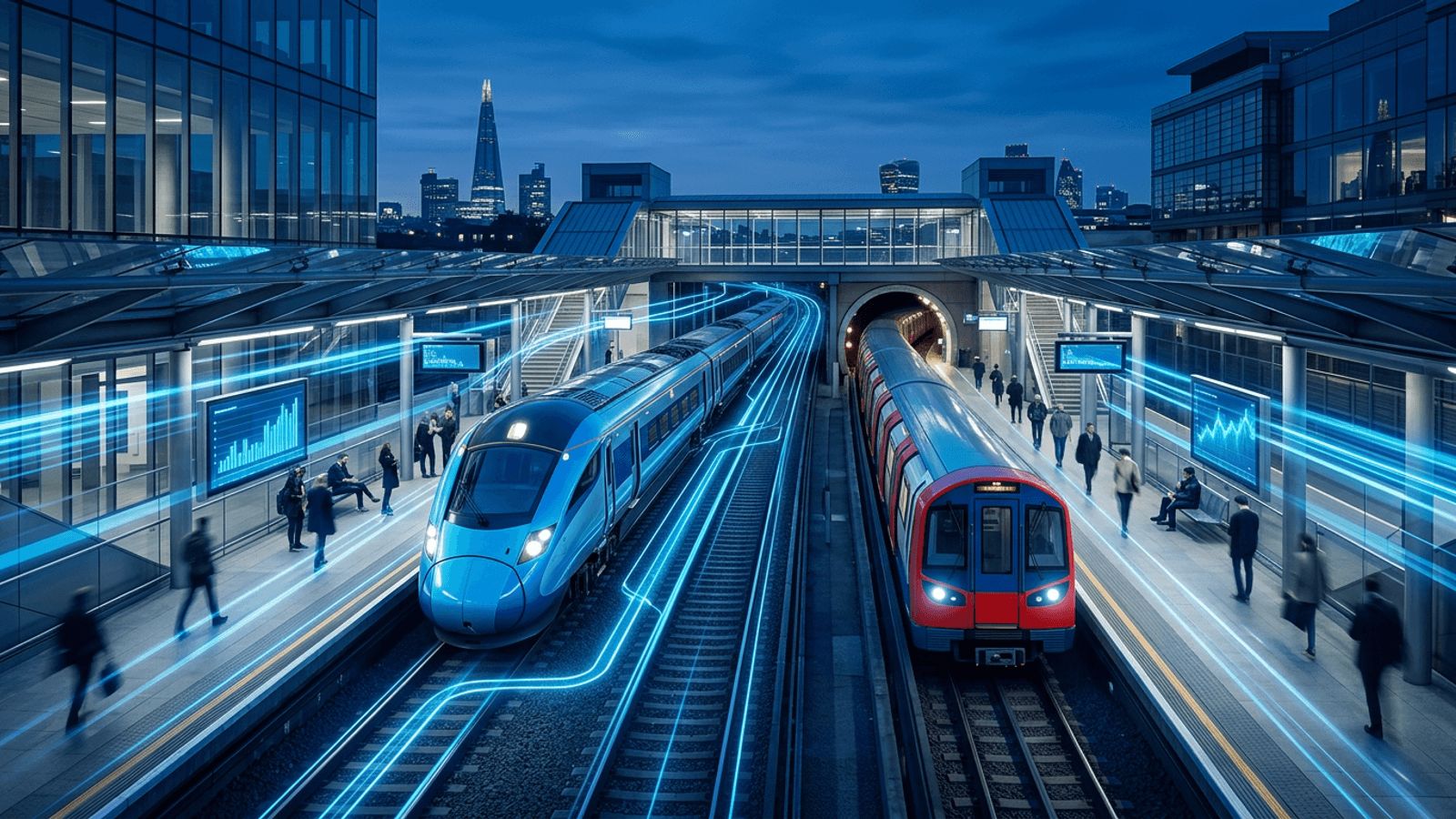
The Elizabeth line, operated by MTR Elizabeth line on behalf of Transport for London, has arguably had the single biggest impact on travel from Slough in decades. Services run through central London without requiring a change at Paddington, connecting directly to Bond Street, Tottenham Court Road, Farringdon, Liverpool Street and Canary Wharf. For commuters, the removal of an interchange has cut door-to-door journey times significantly, and the walk-through, air-conditioned trains with step-free access at most stations have raised expectations of what a suburban rail journey should feel like.
The Windsor and Eton Central branch service is a short but heavily used shuttle connecting Slough to Windsor. It carries an enormous number of tourists heading to Windsor Castle, along with local commuters and Legoland visitors. Its frequency and reliability make Slough the practical rail gateway to one of the most visited attractions in the country.
Heathrow Express, while not calling at Slough itself, is an important part of the wider connectivity picture. Passengers connecting via Paddington or reaching Heathrow through Elizabeth line services benefit from the airport rail options that make Slough attractive as a base for air travellers.
Network Rail owns and maintains the track, signalling, bridges and major stations across the network, including the infrastructure through Slough. Its investment programmes, including electrification of the Great Western Main Line and station accessibility improvements, determine what services operators can actually run. Passengers experience Network Rail's work mainly through engineering possessions at weekends, but its role in capacity and reliability is fundamental.
CrossCountry and other long-distance operators connect indirectly through Reading, which functions as the main interchange for journeys towards Birmingham, the North and the South Coast. A short hop from Slough to Reading opens up a national network of destinations.
South Western Railway serves Windsor and Eton Riverside from London Waterloo, providing an alternative route to Windsor that is useful for travellers based in south and south-west London. Understanding that Windsor has two stations served by different operators from different London termini prevents a common planning mistake.
Freight operating companies including DB Cargo, Freightliner and GB Railfreight run services along the Great Western Main Line through Slough. Rail freight carries construction materials, intermodal containers from the ports and other bulk goods, removing large numbers of lorry movements from the motorway network and offering substantially lower emissions per tonne moved.
Rail replacement and engineering support operators play an unglamorous but essential role. When the line is closed for maintenance, coach operators contracted to deliver replacement services keep passengers moving, and the quality of that provision has a real effect on how disruptive engineering work feels.
Community rail partnerships and passenger representation bodies complete the list. Organisations that advocate for passengers, monitor performance and press for station improvements have influenced accessibility upgrades, better information provision and improved interchange facilities at stations across the Thames Valley.
Practical Travel Advice
Ticketing offers the biggest opportunity to save money. Advance tickets for longer journeys on Great Western Railway are released well ahead of travel and can cost a fraction of the walk-up fare, though they tie the passenger to a specific train. Off-peak and super off-peak fares provide flexibility at a lower price than anytime tickets. Railcards for young people, older travellers, families and two people travelling together typically pay for themselves within a couple of journeys.
For Elizabeth line travel into London, contactless payment with daily and weekly capping is usually the simplest and most economical approach, since the system automatically calculates the best fare. Passengers combining Elizabeth line and mainline services should check whether a through ticket or separate tickets works out cheaper, as the answer varies by route.
Slough station has undergone accessibility improvements, and passengers requiring assistance can arrange it in advance through the operator's booking service, though turn-up-and-go assistance is also available. Cycle parking, car parking and the adjacent bus interchange make the station a genuine multi-modal hub.
The Direction of Travel
Rail in the Thames Valley continues to evolve. Elizabeth line services have already reshaped commuting patterns and property demand along the corridor, and further timetable enhancements continue to improve frequency. Decarbonisation of remaining diesel operations, station accessibility upgrades and improved integration between rail, bus and cycling are the priorities shaping the next phase of investment.
Structural reform of the industry is also under way nationally, with changes to how services are specified and delivered. For passengers, the practical hope is simpler ticketing, more consistent information and clearer accountability when things go wrong.
Final Thoughts
Slough's railway connections are among the strongest assets the town possesses. From a station with genuine Victorian engineering heritage, passengers can reach central London in a fraction of an hour, travel directly across the capital to Canary Wharf, connect to Heathrow, or head west towards Reading, Oxford and Bristol. The operators and organisations described above collectively deliver that connectivity, and understanding how they fit together makes travelling from Slough considerably easier and cheaper.
Want your brand featured in front of decision-makers? Publish a guest post or get a link insertion in our guides through AAMAX's guest post and link insertion service.
Helpful Links
 SponsoredAAMAX — Full-Service Digital Agency
Write for Us
Share your expertise with our readers. We welcome guest contributions from industry specialists.
Pitch your idea