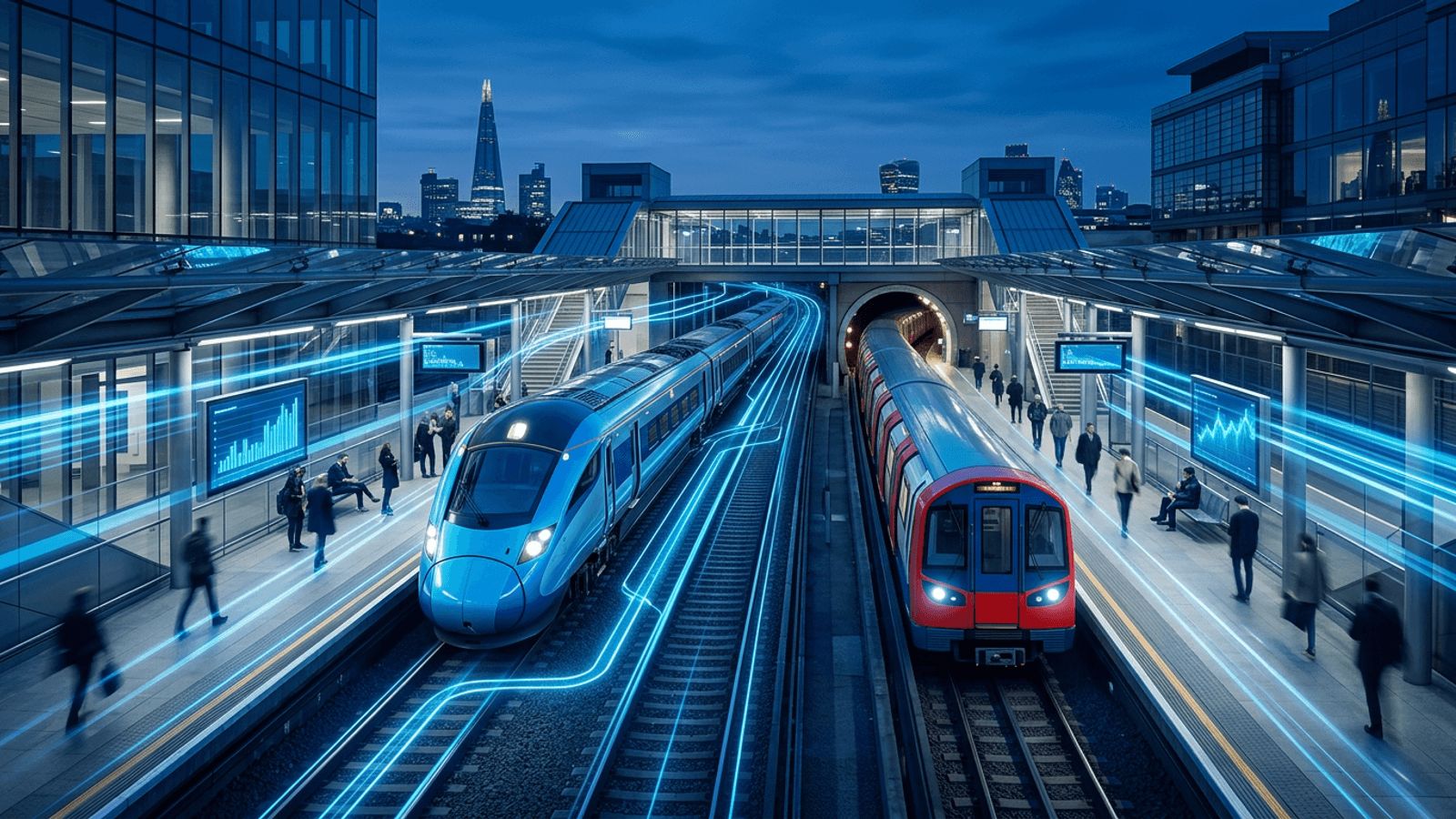
Few stations outside the capital carry the strategic weight of Reading. It sits at the junction of the Great Western main line, the North Downs Line towards Gatwick, routes north towards Oxford and Birmingham, and services west into Wiltshire, Somerset, Devon and South Wales. A major redevelopment added platforms, grade-separated junctions and a large transfer deck, transforming what had been one of the worst bottlenecks on the network into a genuinely high-capacity interchange.
The consequence for passengers is choice. On many corridors, several operators compete or complement one another, and understanding who runs what can save considerable time and money.
Why Reading Station Matters
Reading handles tens of millions of passenger movements each year, combining commuters into London, long-distance intercity travellers, airport passengers heading to Heathrow and Gatwick, students, and freight paths that share the same infrastructure. The station's rebuild removed conflicting movements that previously delayed services across the western network, improving reliability well beyond Berkshire.
The arrival of the Elizabeth line extended that significance further, giving Reading a direct, high-frequency link across central London to the West End, the City, Docklands and beyond without changing trains.
The Ten Best Railway Operators Serving Reading
1. Great Western Railway
GWR is the dominant operator at Reading, running fast intercity services to London Paddington, Bristol, Cardiff, Swansea, Exeter, Plymouth and Penzance, alongside regional and local services across the Thames Valley. Its bi-mode intercity fleet delivers rapid journey times to London, and the breadth of its network makes it the default choice for most long-distance travel from the town.
2. Elizabeth Line
The Elizabeth line has changed commuting patterns in Reading profoundly. Trains run through central London without interchange, serving Paddington, Bond Street, Tottenham Court Road, Farringdon, Liverpool Street and Canary Wharf. Journey times to Paddington are longer than GWR expresses, but the through service, walk-up frequency and spacious air-conditioned trains often make it the better overall option.
3. CrossCountry
CrossCountry provides long-distance services linking Reading with Oxford, Banbury, Birmingham, the North of England and Scotland, as well as southwards to Basingstoke, Southampton and Bournemouth. For journeys that avoid London entirely, it is indispensable, though advance booking is strongly advised because trains can be busy.
4. South Western Railway
South Western Railway operates services between Reading and London Waterloo via Wokingham, Bracknell and Richmond. The route is slower than the main line but serves a completely different set of destinations, and Waterloo is more convenient than Paddington for parts of central and south London.
5. Great Western Railway North Downs Line Services
The North Downs Line connects Reading with Guildford, Redhill and Gatwick Airport. For travellers heading to Gatwick, this direct service avoids crossing London with luggage, and it also provides valuable regional links across Surrey that would otherwise require multiple changes.
6. Heathrow Connection Services via Rail and Rail Air Links
Reading has strong onward connectivity to Heathrow through combined rail and coach arrangements, which are heavily used by both business and leisure travellers. Frequent departures, short overall journey times and integrated ticketing make this one of the most practical airport links available from any town in the region.
7. Network Rail
Network Rail does not operate passenger trains but owns and manages the infrastructure and the station itself. Its investment in Reading, including the platform expansion and viaduct works, underpins the reliability that every operator depends on, and its ongoing electrification and signalling programmes continue to shape performance.
8. Chiltern Railways Connections via Oxford Parkway and the Wider Network
While Chiltern does not serve Reading directly, its network is readily accessible through connecting services and offers an alternative route towards Birmingham and the Midlands, sometimes at lower fares than the primary corridor. Experienced travellers use these alternatives when advance tickets on direct routes have sold out.
9. Freight Operating Companies Using the Reading Corridor
Reading sits on important freight paths carrying aggregates, intermodal containers from southern ports and engineering materials. Operators including major national freight companies use the corridor extensively. Their presence matters to passengers because capacity planning and timetabling must accommodate both, and the redevelopment specifically improved freight and passenger separation.
10. Charter and Heritage Rail Operators Calling at Reading
Reading regularly features on charter itineraries, including steam-hauled excursions and special services to sporting and seasonal events. These operators provide a different kind of rail experience, with dining options and routes that scheduled services no longer cover, and they attract enthusiasts from across the country.
Getting the Best Value from Rail Travel
Advance tickets, released well ahead of travel, offer the deepest discounts on long-distance journeys but are tied to specific trains. Off-peak and super off-peak fares provide flexibility at moderate cost, while anytime fares should generally be avoided unless plans are genuinely uncertain.
Railcards are transformative for regular travellers, with options for young people, mature travellers, families, couples and disabled passengers typically delivering a third off eligible fares. For commuters, season tickets and flexible season products suit different working patterns, and it is worth calculating carefully which fits your actual office attendance.
Split ticketing can reduce costs on some routes, and contactless pay-as-you-go works on Elizabeth line journeys within the applicable zones. Always check whether a through ticket or two separate tickets is cheaper for your specific journey.
Trends Shaping the Railway
Electrification and bi-mode traction have improved journey times and cut emissions on the Great Western route. Digital signalling programmes promise further capacity gains. Ticketing continues to shift towards mobile barcodes and account-based travel, gradually replacing paper.
Passenger behaviour has also changed, with a flatter weekly demand curve as hybrid working spreads leisure travel across the week. Operators have responded with more flexible products and revised timetables that reflect the new pattern rather than the traditional five-day commute.
Practical Advice at Reading Station
Allow time for interchange, as the station is large and platforms are distributed across the transfer deck. Lifts and step-free routes are available throughout, and assistance can be booked in advance. Peak-hour London departures fill quickly, so reserving a seat on intercity services is sensible. Check engineering work notices before weekend travel, particularly on the main line, where diversions and replacement buses occasionally apply.
Final Thoughts
Reading offers rail connectivity that most towns can only envy, with fast intercity services, a through link across London, direct trains to Gatwick and cross-country routes that bypass the capital entirely. Choose the operator that matches your destination rather than habit, book in advance where you can, and use a railcard if you are eligible. Handled well, rail from Reading is fast, comfortable and remarkably good value.
Want your brand featured in front of decision-makers? Publish a guest post or get a link insertion in our guides through AAMAX's guest post and link insertion service.
Helpful Links
 SponsoredAAMAX — Full-Service Digital Agency
Write for Us
Share your expertise with our readers. We welcome guest contributions from industry specialists.
Pitch your idea