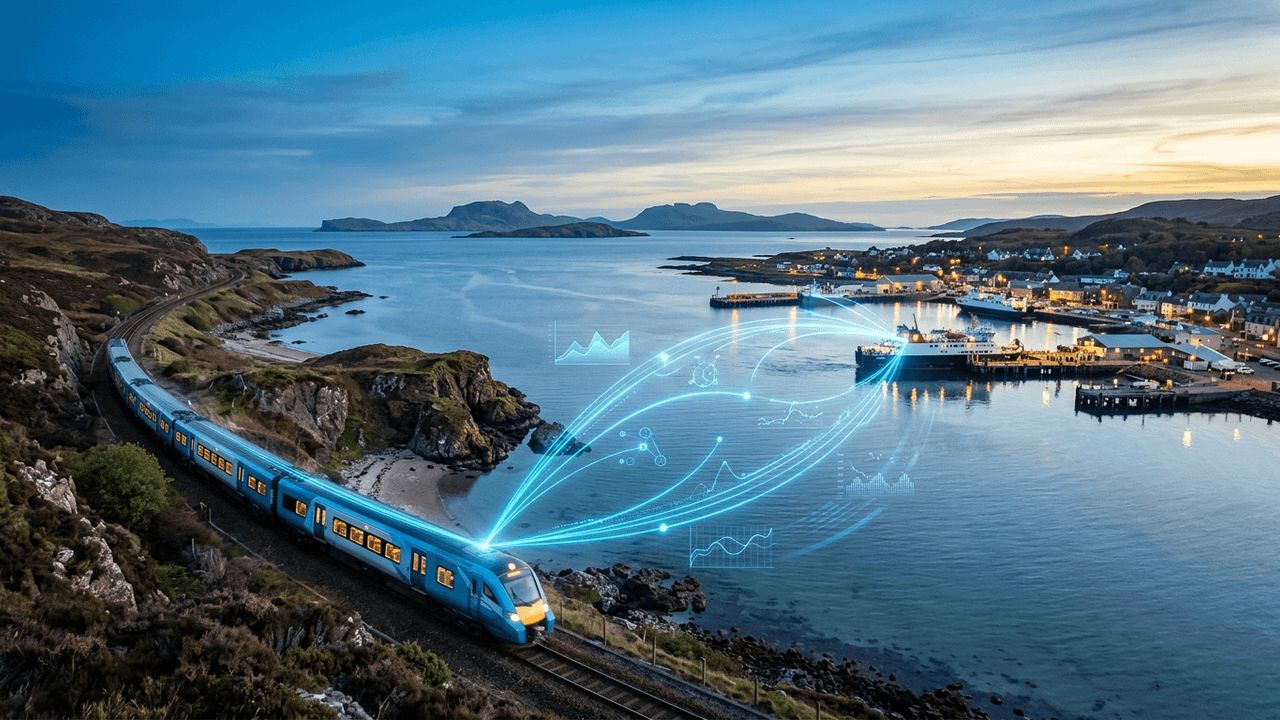
Rail Travel and the Outer Hebrides
Na h-Eileanan Siar has no railway lines of its own. The islands' terrain, scattered population and island geography have always made sea and air the dominant transport modes. Yet rail plays an important part in journeys to and from the islands. Many travellers take a train to a mainland railhead such as Inverness, Kyle of Lochalsh, Mallaig or Oban and then continue by coach and ferry. These journeys are some of the most scenic in Europe and offer a relaxing, low-carbon alternative to driving or flying.
This guide highlights the railway operators most useful to Hebridean travellers and explains how rail connects with island transport.
The Top 10 Railway Operators
1. ScotRail
ScotRail operates almost all passenger rail services within Scotland, including the Kyle Line from Inverness to Kyle of Lochalsh, the West Highland Line to Mallaig and Oban and the Far North and Highland Main Lines through Inverness. ScotRail is the essential operator for reaching the gateways to the Outer Hebrides, and its Spirit of Scotland travel passes can offer good value for island-hopping trips.
2. Caledonian Sleeper
The Caledonian Sleeper runs overnight between London and Scottish destinations including Inverness and Fort William. Travellers can board in London, sleep through the journey and wake up in the Highlands ready to connect with coaches and ferries to the islands.
3. LNER
LNER operates high-speed services on the East Coast Main Line between London, Edinburgh and Inverness. It offers a comfortable, fast option for travellers starting in England who are heading north towards the Ullapool ferry.
4. Avanti West Coast
Avanti West Coast runs services between London Euston and Glasgow via the West Coast Main Line. From Glasgow, travellers can connect with ScotRail's West Highland services towards Oban and Mallaig.
5. CrossCountry
CrossCountry connects the south west, Midlands and north of England with Edinburgh and Glasgow, making it useful for travellers starting in cities such as Birmingham, Bristol or Leeds.
6. TransPennine Express
TransPennine Express links Manchester and the north of England with Edinburgh and Glasgow, providing convenient connections to Scottish rail networks heading north and west.
7. Lumo
Lumo offers low-cost, all-electric services between London and Edinburgh. Budget-conscious travellers can combine Lumo with ScotRail connections to reach Highland railheads affordably.
8. West Coast Railways
West Coast Railways operates the famous Jacobite steam train between Fort William and Mallaig. While primarily a heritage experience, it is a memorable way to reach the Mallaig ferry terminal for travellers heading to the islands via Skye.
9. Belmond Royal Scotsman
The Belmond Royal Scotsman is a luxury touring train offering multi-day journeys through the Highlands, including the scenic Kyle Line. It is a premium experience for travellers who want to combine Scottish rail luxury with a visit to the west coast.
10. Network Rail Scotland
Network Rail owns and maintains Scotland's rail infrastructure. Its investment in Highland lines, stations and resilience directly affects the reliability of rail journeys towards the islands.
Connecting Rail with Ferries
The most practical rail routes to the Outer Hebrides include travelling to Inverness and taking a coach to Ullapool for the Stornoway ferry, travelling to Kyle of Lochalsh and continuing by coach across Skye to Uig for ferries to Tarbert and Lochmaddy, or travelling to Oban for direct ferries to Castlebay and Lochboisdale. Integrated Rail and Sail tickets have been offered on some routes, combining train and ferry travel in a single booking.
Why Choose Rail
Rail travel offers comfort, scenery and sustainability. The Kyle Line and West Highland Line are often described as some of the most beautiful railway journeys in the world, passing lochs, mountains and coastline. Choosing rail also reduces carbon emissions compared with driving or flying and avoids the stress of single-track roads and vehicle ferry bookings.
Planning Tips
Allow generous connection times between trains, coaches and ferries, as weather can affect sea crossings. Book ferries in advance during summer, even as a foot passenger, and check Sunday timetables carefully. Consider travel passes for multi-day trips, and pack light, as you may need to carry luggage between stations, bus stops and ferry terminals.
The Future of Rail and Island Travel
Investment in Highland rail lines, including improved rolling stock and decarbonisation efforts, is set to make rail journeys to the west coast even more attractive. Better integration of rail, coach and ferry timetables remains a key goal for transport planners.
Frequently Asked Questions
Has there ever been a railway in the Outer Hebrides?
The islands have never had a public passenger railway network. Their geography and population patterns made ferries and roads the practical choice, and today air links supplement sea crossings.
Which railhead is closest to the islands?
Kyle of Lochalsh, Mallaig and Oban are all coastal railheads on the west coast. Oban offers direct ferries to Barra and South Uist, while Inverness provides coach links to Ullapool for Lewis.
Can I take a bicycle on Highland trains?
Yes, but cycle spaces are limited and reservations are usually required, especially in summer.
Conclusion
While no trains run in Na h-Eileanan Siar, rail is a valuable part of the journey for many visitors and residents. By combining these ten railway operators with coaches and CalMac ferries, travellers can reach the Outer Hebrides comfortably, sustainably and with some of the finest scenery imaginable along the way.
Want your brand featured in front of decision-makers? Publish a guest post or get a link insertion in our guides through AAMAX's guest post and link insertion service.
Helpful Links
 SponsoredAAMAX — Full-Service Digital Agency
Write for Us
Share your expertise with our readers. We welcome guest contributions from industry specialists.
Pitch your idea