Boston's Rail Legacy
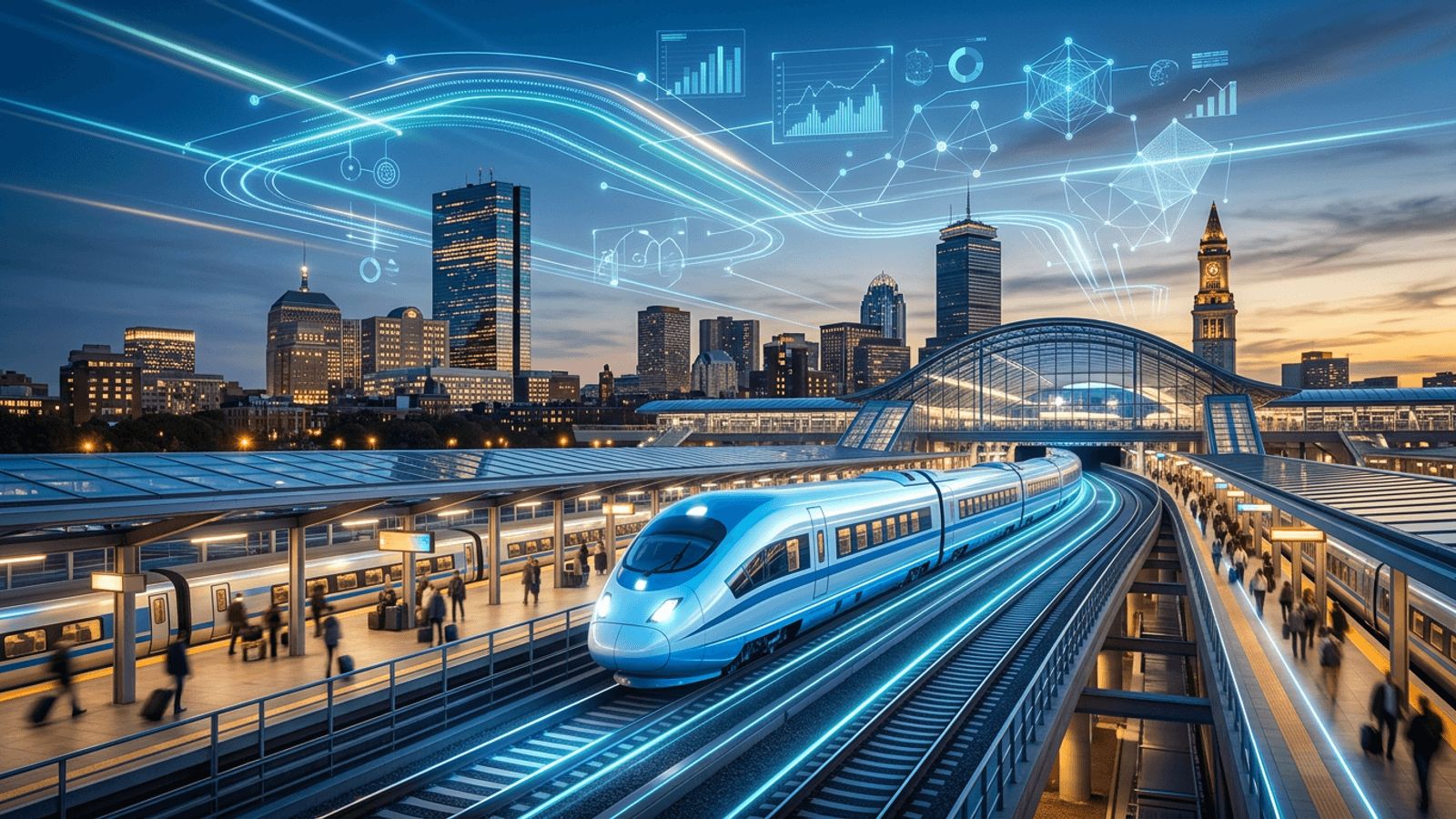
Boston has a remarkable railroad heritage. Some of the earliest railroads in the United States radiated from the city in the nineteenth century, and many of those historic corridors remain in use today. South Station and North Station serve as the city's main rail hubs, connecting commuters to suburbs, travelers to major Northeast cities, and freight shippers to national networks.
Rail plays a vital role in reducing road congestion and emissions in the region. Below are ten of the most important railway operators in the Boston area, spanning passenger, freight, and heritage services.
Passenger Versus Freight Rail
Passenger operators focus on commuter and intercity travel, prioritizing frequency, comfort, and on-time performance. Freight railroads move bulk goods, containers, and industrial materials efficiently over long distances. Both are essential to the regional economy.
1. Amtrak
Amtrak is the national passenger railroad and a key part of Boston's transportation network. From South Station and Back Bay, Amtrak's Northeast Regional and high-speed Acela trains connect Boston with Providence, New York, Philadelphia, and Washington. From North Station, the Downeaster serves New Hampshire and Maine, while the Lake Shore Limited connects Boston to Chicago.
2. MBTA Commuter Rail
The MBTA Commuter Rail network links Boston with dozens of communities across Eastern Massachusetts and into Rhode Island. Lines radiate from South Station and North Station, serving destinations such as Worcester, Providence, Lowell, Newburyport, Plymouth, and Fitchburg. It is a lifeline for daily commuters.
3. Keolis Commuter Services
Keolis Commuter Services operates and maintains the MBTA Commuter Rail system under contract. The company manages train crews, maintenance, and daily operations. Its focus on punctuality, service improvements, and customer communication directly affects the experience of thousands of riders.
4. MBTA Rapid Transit
The MBTA's subway and light rail system, including the Red, Orange, Blue, and Green Lines, forms one of the oldest urban rail networks in the country. The Green Line includes the Tremont Street Subway, the oldest subway tunnel in North America. Ongoing modernization projects aim to improve reliability and capacity.
5. CSX
CSX is the dominant Class I freight railroad in Massachusetts. Following its acquisition of a major New England regional railroad, CSX expanded its reach across the region. It moves intermodal containers, automobiles, building materials, and other goods, connecting New England to the national rail network.
6. Providence and Worcester Railroad
The Providence and Worcester Railroad, part of Genesee & Wyoming, operates freight service in southern New England. It connects industries and ports in Massachusetts, Rhode Island, and Connecticut. Its regional focus allows for flexible, customer-oriented service.
7. Berkshire and Eastern Railroad
The Berkshire and Eastern Railroad, also operated under Genesee & Wyoming, runs freight service along routes in northern Massachusetts and beyond. It plays a key role in moving goods across the region and connecting to Class I partners.
8. Massachusetts Coastal Railroad
Massachusetts Coastal Railroad provides freight service in southeastern Massachusetts and Cape Cod. It handles commodities such as aggregates, construction materials, and solid waste. Its operations help reduce truck traffic on busy regional highways.
9. Grafton & Upton Railroad
The Grafton & Upton Railroad is a short line freight railroad in central Massachusetts. It provides transloading services, allowing goods to move between rail and truck efficiently. Its strategic location near major highways makes it valuable for regional distribution.
10. Cape Cod Central Railroad
Cape Cod Central Railroad offers scenic excursion and dinner trains on Cape Cod. While not a commuter service, it provides a memorable way to experience the region's marshes, cranberry bogs, and coastal landscapes. It is a favorite among tourists and rail enthusiasts.
Rail Trends in the Boston Region
Several major initiatives are shaping the future of rail in Boston. Commuter rail modernization efforts focus on more frequent service, electrification, and improved stations. Expanded service to the South Coast has extended commuter rail access to new communities. Intercity rail improvements along the Northeast Corridor, including new high-speed trainsets, promise faster and more comfortable trips. Freight railroads are investing in track upgrades to handle heavier cars and increase capacity.
Benefits of Rail Travel
Rail travel offers productivity, comfort, and reliability, allowing passengers to work or relax instead of sitting in traffic. It also produces far fewer emissions per passenger than driving. For freight, rail reduces highway congestion and offers cost advantages for heavy, long-distance shipments.
Riding Tips for Rail Travelers
Boston's rail network is easiest to use when you understand its hubs. South Station serves Amtrak's Northeast Corridor trains and commuter lines heading south and west, while North Station handles the Downeaster and commuter lines to the north. The two stations are not directly connected by rail, so allow time to transfer by subway. Back Bay Station offers a convenient alternative stop for many Amtrak and commuter trains. Booking Amtrak tickets early often secures lower fares, and commuter rail riders can save with monthly passes or weekend fare deals that make day trips to the coast or historic towns affordable.
Final Thoughts
Boston's railway operators connect people, communities, and industries across New England and beyond. From high-speed intercity trains to short line freight railroads and scenic excursions, these operators keep the region moving and play a key role in building a more sustainable transportation future.
Want your brand featured in front of decision-makers? Publish a guest post or get a link insertion in our guides through AAMAX's guest post and link insertion service.
Helpful Links
 SponsoredAAMAX — Full-Service Digital Agency
Write for Us
Share your expertise with our readers. We welcome guest contributions from industry specialists.
Pitch your idea