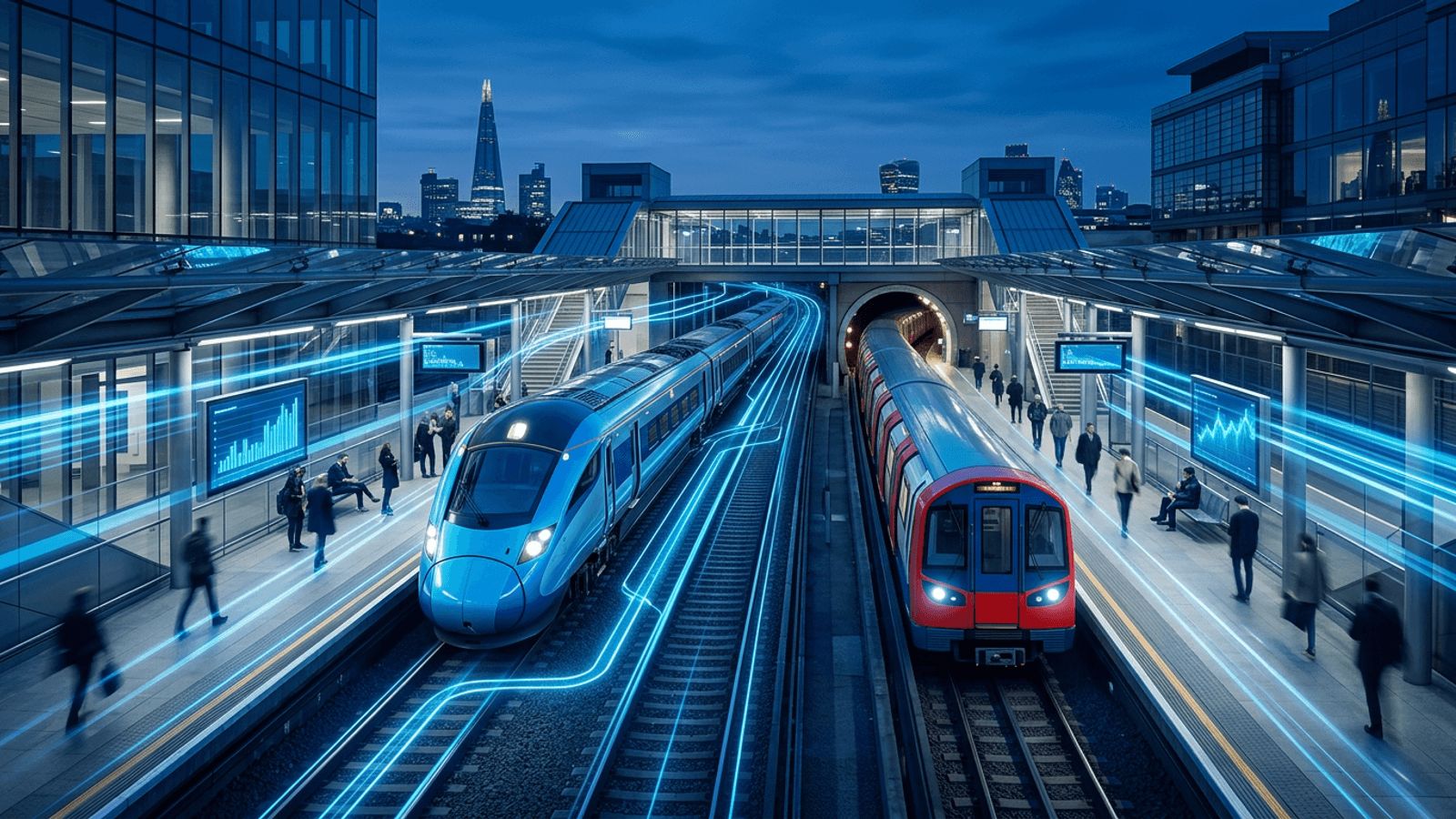
Public Transit at the Centre of the Capital
Overview
Westminster is arguably the best connected borough in London. Within its boundaries sit major railway terminals, dozens of Underground stations, hundreds of bus stops, riverboat piers and a national coach station. Because the area combines government, business, retail, culture and residential life, transit demand is spread across the whole day rather than concentrated in two short peaks. That sustained demand has produced exceptionally high service frequencies and a level of integration that visitors often find remarkable.
Integration is the key concept. Contactless payment works across most modes with daily and weekly capping, journey planning tools combine walking with several modes, and interchange stations are designed for rapid transfer. Understanding the strengths of each service allows residents and visitors to move around faster and more cheaply.
The Top 10 Public Transit Services in Westminster
1. London Underground
The Underground is the fastest way to cross central London. Westminster is served by the Jubilee, District, Circle, Bakerloo, Victoria, Central, Piccadilly and Northern lines at various stations, giving frequencies so high that timetables are irrelevant. Step-free access continues to expand, and the newest trains offer better ventilation and clearer information displays. For journeys of more than a mile within the city, it is usually the default choice.
2. London Buses
The red bus network provides fine grained coverage that no rail system can match, stopping close to almost every destination in the borough. Fares are flat with a generous hopper arrangement allowing further boardings within a set period at no extra charge. Buses are also fully step-free, making them the most accessible surface mode. Night services keep the borough moving after the Underground closes.
3. Elizabeth Line
Serving Paddington and Bond Street, the Elizabeth line offers spacious, air conditioned, fully accessible trains with high frequencies. It has dramatically shortened journeys to Heathrow, the City and Canary Wharf, and its generous luggage space makes it ideal for airport trips. Interchange with Underground lines is well signposted and comfortable.
4. Thameslink
Thameslink provides through services from north to south across London, removing the need to change terminals. For Westminster travellers it is particularly useful for reaching Gatwick and Luton airports and for journeys to Sussex, Kent, Hertfordshire and Bedfordshire without crossing the city on foot or by Tube.
5. Southern
Operating from Victoria, Southern connects the borough with south London, Surrey, Sussex and Gatwick Airport. Frequent services and flexible ticketing options support both daily commuting and leisure travel, with the Brighton corridor especially popular for weekend trips.
6. Southeastern
Southeastern serves Charing Cross and Victoria with metro services across south-east London and longer distance services into Kent, including high speed options that substantially reduce journey times. For anyone working in Westminster and living in the south-east, it is the primary link.
7. Uber Boat by Thames Clippers
River services offer a genuinely different transit experience, with piers at Westminster and Millbank connecting the borough to the City, Greenwich and beyond. Boats are punctual, rarely crowded compared with the Underground, and offer guaranteed seating with outstanding views. Season tickets and travelcard discounts make regular commuting viable.
8. Santander Cycles
The public cycle hire scheme functions as part of the transit system rather than a leisure add-on. Docking stations are dense across Westminster, making short trips quick and inexpensive. Electric bikes have been added to the fleet, flattening the effort required and widening the appeal to riders of all fitness levels.
9. Dial-a-Ride
For residents unable to use mainstream public transport, Dial-a-Ride provides door to door minibus journeys with trained assistance. It is a vital service that preserves independence for older people and people with disabilities, and it complements other accessible options such as step-free stations and wheelchair accessible taxis.
10. Victoria Coach Station Services
Victoria Coach Station is the national coach gateway inside Westminster, hosting long distance and airport coach services. It functions as public transit for travellers making regional journeys, offering low fares, generous luggage allowances and direct connections to airports and cities across Britain and Europe.
Paying and Planning Efficiently
Contactless bank cards and mobile payments are the simplest option for most journeys, with automatic daily and weekly capping that prevents overpaying. Travelcards still suit some regular commuters, particularly where suburban rail is involved. Journey planning applications will typically suggest combinations of walking and transit that beat single mode routes, and in central Westminster walking is often faster than travelling one or two stops. Off-peak travel is cheaper on rail, so shifting departure times by twenty minutes can produce meaningful savings.
Accessibility and Comfort
Accessibility has improved substantially. All buses are step-free with ramps and priority spaces, many Underground stations now offer lift access, and the Elizabeth line is fully accessible throughout. River boats provide level boarding at most piers. Audio and visual announcements are standard across modes, and staff assistance can be requested at stations. Travellers should still check step-free routing in advance, as some historic Underground stations remain challenging.
Trends Shaping the Network
Decarbonisation is visible in the growing electric bus fleet and quieter streets. Digital payment has almost eliminated ticket queues. Demand patterns have flattened with hybrid working, prompting more consistent all-day frequencies and stronger weekend service. Active travel infrastructure, including protected cycle lanes and wider pavements, is increasingly treated as part of the transit system rather than separate from it. Real-time data feeds have also enabled better third party apps, improving passenger information during disruption.
Final Thoughts
Westminster's public transit is a genuine asset, dense enough to make car ownership unnecessary and integrated enough to make multi-mode journeys effortless. By understanding when to take the Underground, when a bus or riverboat is better, and when a cycle or a short walk wins outright, residents and visitors can travel across one of the world's most visited districts with speed, low cost and minimal stress.
Want your brand featured in front of decision-makers? Publish a guest post or get a link insertion in our guides through AAMAX's guest post and link insertion service.
Helpful Links
 SponsoredAAMAX — Full-Service Digital Agency
Write for Us
Share your expertise with our readers. We welcome guest contributions from industry specialists.
Pitch your idea