Getting Around West Lancashire
West Lancashire is a district of contrasts. Skelmersdale is a planned new town with a distinctive road layout. Ormskirk is a compact market town with a rail station and a university campus. Around them sit villages such as Burscough, Parbold, Rufford, Tarleton and Aughton, plus a substantial rural hinterland. Public transport therefore has to serve commuters, students, shoppers, healthcare visitors and leisure travellers with very different needs.
The district's strength is its position between major destinations. Liverpool, Preston, Southport, Wigan and Manchester are all within commuting distance, and the transport network reflects those flows. Understanding which service suits which journey makes travel considerably easier and cheaper.
Ten Public Transit Services Worth Knowing
1. Merseyrail Northern Line. The electrified route from Ormskirk to Liverpool Central is the backbone of southbound travel, offering frequent services and a direct connection into the Liverpool city centre underground loop. For students and commuters it is fast, predictable and largely traffic-proof.
2. Northern Railway. Northern operates services from Ormskirk to Preston and along the Manchester to Southport line through Burscough Bridge and Parbold. These routes link the district to major employment centres and onward national rail connections.
3. Arriva North West. Arriva runs a substantial share of local bus services, connecting Skelmersdale, Ormskirk and surrounding communities with Liverpool, St Helens and Wigan. Its frequency on core corridors makes it the default for many daily journeys.
4. Stagecoach Merseyside and South Lancashire. Stagecoach provides additional bus coverage across the district and into neighbouring areas, with contactless payment and app-based ticketing that simplify occasional travel.
5. Skelmersdale Bus Station services. The town's bus station acts as a hub where multiple routes interchange, making it the practical centre of gravity for travel within and beyond Skelmersdale.
6. Ormskirk Bus Station services. Located close to the rail station and town centre, Ormskirk's bus interchange allows straightforward bus-to-rail transfers for journeys towards Liverpool, Preston and Southport.
7. Edge Hill University shuttle and student services. Dedicated services supporting the university community ease pressure on general routes during term time and provide reliable links between campus, town and accommodation.
8. Community transport and dial-a-ride schemes. Volunteer-supported and demand-responsive services play a vital role in rural West Lancashire, giving older and less mobile residents access to shops, medical appointments and social activities where scheduled buses are sparse.
9. National Express coach services. Long-distance coach links from nearby interchanges provide affordable travel to London, Birmingham and the airports, which is useful for students and travellers with time rather than budget to spare.
10. Local taxi and private hire operators. While not public transport in the strict sense, licensed taxi firms in Ormskirk, Skelmersdale and Burscough fill genuine gaps, particularly for evening travel, rural pick-ups and journeys with luggage.
Understanding Tickets and Fares
Fares can be confusing because bus and rail operate largely separate systems. Multi-operator bus tickets allow travel across different companies within defined zones, which is valuable if your journey involves more than one operator. Rail season tickets and flexible carnet-style products reward regular commuters, while advance purchase can reduce the cost of longer journeys towards Manchester or beyond.
Students, young people and older residents should check eligibility for discounted travel. Railcards typically pay for themselves quickly on a Liverpool or Preston commute, and concessionary bus passes remain a cornerstone of mobility for retired residents across the district.
Trends Shaping Local Transport
Contactless and mobile ticketing have replaced cash for most travellers, reducing boarding times and making occasional travel less daunting. Real-time information through apps and displays has improved reliability perceptions, since knowing a bus is six minutes away is far less stressful than not knowing at all.
Decarbonisation is progressing steadily, with electric and low-emission buses appearing on regional fleets. Active travel investment, including improved cycle routes and walking links to stations, is encouraging genuine multi-modal journeys where a short cycle replaces a car trip to the station.
Demand-responsive transport is an important development for rural districts. Rather than running near-empty buses on fixed timetables, operators can deploy smaller vehicles that respond to booked demand, improving coverage in villages that traditional routes cannot serve economically.
Practical Advice for Travellers
Plan journeys using live apps rather than printed timetables, particularly on Sundays and bank holidays when frequencies drop significantly. Allow generous connection times at Ormskirk when transferring between bus and rail, as a missed link can mean a long wait in rural areas.
If you commute to Liverpool, consider whether parking at Ormskirk station and taking the train beats driving into the city, factoring in congestion and parking costs. For Preston and Manchester journeys, compare routes via Ormskirk and via Parbold or Burscough Bridge, since travel times can differ noticeably.
Accessibility and Inclusion
Accessibility has improved, with low-floor buses, station ramps and audio-visual announcements now common. Passengers with mobility needs should still check individual station facilities, as some smaller stops have limited step-free access. Assistance can usually be booked in advance for rail journeys, and community transport remains an essential alternative where the mainstream network falls short.
Conclusion
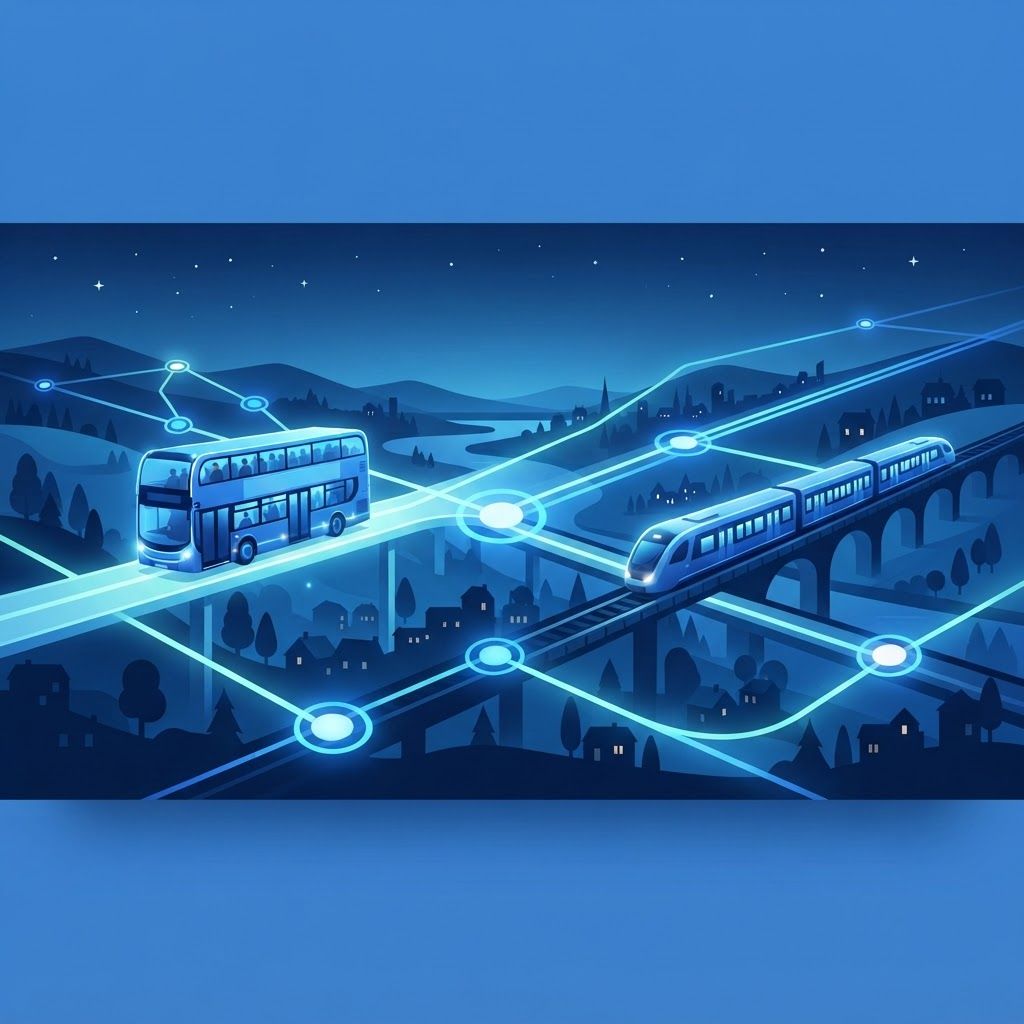
Public transport in West Lancashire works best when travellers understand the network's structure: rail for the fast radial journeys to Liverpool, Preston and Southport, buses for local and cross-district movement, and community or taxi services for rural gaps and evening travel. Combine them intelligently, take advantage of discounted tickets, and getting around the district without a car is entirely realistic for most residents.
Want your brand featured in front of decision-makers? Publish a guest post or get a link insertion in our guides through AAMAX's guest post and link insertion service.
Helpful Links
 SponsoredAAMAX — Full-Service Digital Agency
Write for Us
Share your expertise with our readers. We welcome guest contributions from industry specialists.
Pitch your idea