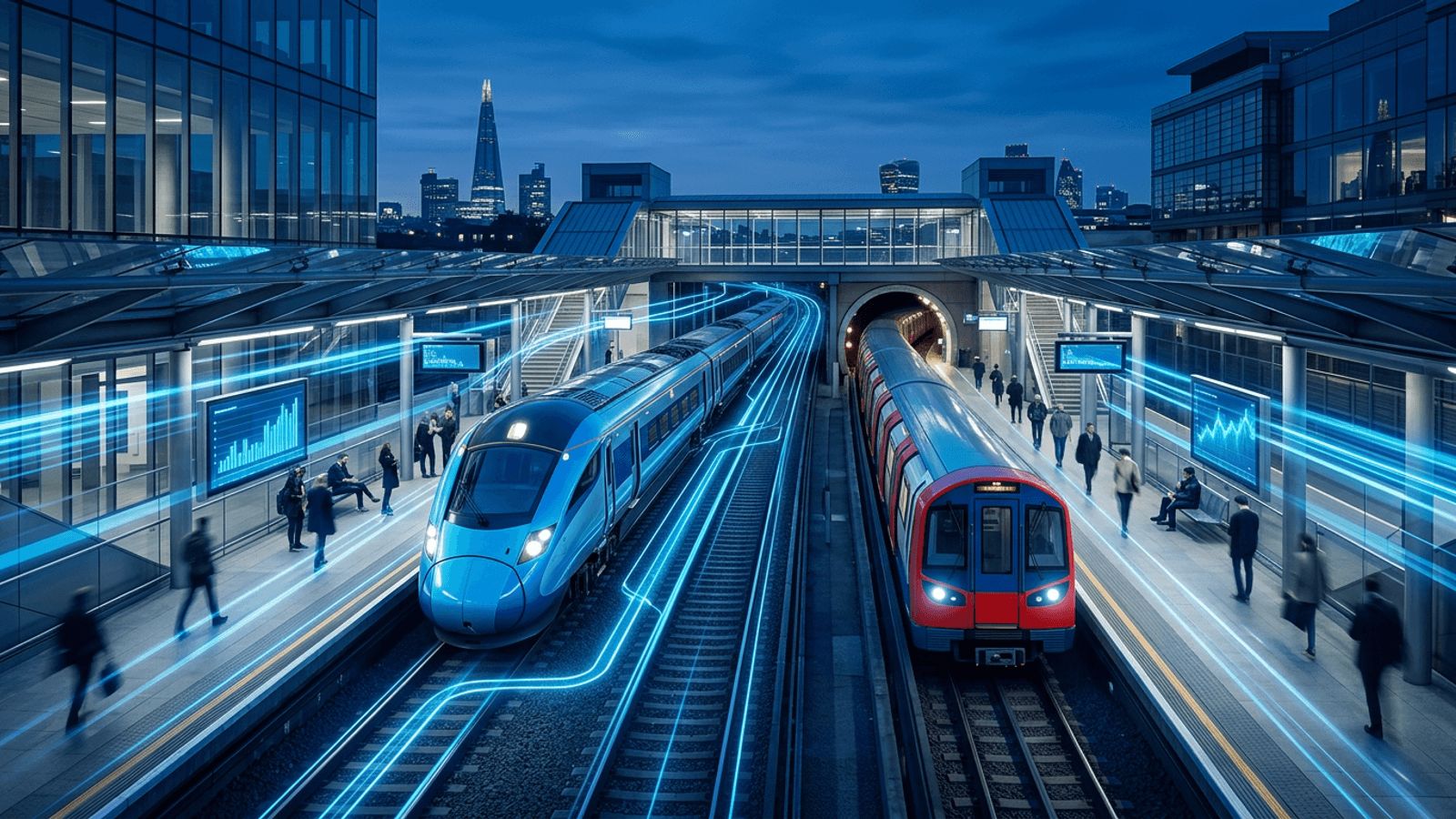
Understanding Public Transport in West Berkshire
West Berkshire is a district of contrasts. Newbury and Thatcham support frequent town services, while large parts of the area are genuinely rural, with scattered villages across the North Wessex Downs. Public transport therefore comes in layers: mainline rail providing fast links to Reading and London, interurban buses connecting towns, town circulars serving housing estates and hospitals, school and college services, and community transport filling the gaps where commercial routes are not viable.
Understanding these layers is the key to using the network well. A journey from a village to Reading might involve a community minibus to Newbury, a train onwards and a bus at the far end. Increasingly, integrated ticketing, better interchange information and demand-responsive booking apps are making these combinations easier to plan and cheaper to complete.
What Makes Public Transport Work Well
Frequency and span of service determine usefulness more than anything else. A route running hourly until early evening supports commuting but not social or shift-work travel. Reliability builds trust, and real-time information reduces the anxiety of waiting at an unstaffed stop. Accessibility is essential, covering low-floor buses, wheelchair spaces, audio-visual announcements and step-free station access.
Affordability and simplicity matter too. Daily and weekly capping, multi-operator tickets and concessionary schemes materially change whether people choose the bus over the car. Finally, integration with active travel makes a network far stronger: secure cycle parking at stations, cycle carriage on trains and safe walking routes to stops extend the practical catchment of every service.
Top 10 Best Public Transit Services in West Berkshire
1. Newbury and District Bus Network
The backbone of local bus travel, linking Newbury town centre with Thatcham, Greenham, Wash Common and surrounding estates. Newbury and District Bus Network operates low-floor accessible vehicles, offers day and weekly capped fares and serves key destinations including the hospital, retail parks and the railway station, making it the most widely used service in the district.
2. Great Western Railway Local Services
The rail operator providing stopping services through Newbury, Thatcham, Kintbury, Hungerford, Midgham and Aldermaston towards Reading and westwards. Great Western Railway Local Services is the fastest option for commuters, with staffed assistance at principal stations, flexible season products and connections into long-distance and Elizabeth Line services at Reading.
3. Reading Buses Interurban Routes
High-frequency interurban services connecting Theale, Calcot and the eastern fringe of the district with Reading town centre. Reading Buses Interurban Routes is recognised for modern low-emission vehicles, contactless payment, live tracking and frequent daytime departures that make car-free travel realistic for eastern West Berkshire residents.
4. Stagecoach South Regional Coaches
Longer-distance bus and coach links towards Basingstoke, Andover and the Hampshire border, serving villages along the A339 and A34 corridors. Stagecoach South Regional Coaches provides useful cross-boundary connections for work, further education and hospital appointments outside the district.
5. West Berkshire Community Transport
A not-for-profit provider running dial-a-ride and group hire services for residents who cannot easily use conventional buses. West Berkshire Community Transport offers door-to-door minibuses with trained drivers and passenger assistants, supporting older residents, people with disabilities and community groups across a wide rural area.
6. Kennet Valley Demand Responsive Transport
A flexible, app and telephone bookable minibus service covering villages with limited scheduled provision. Kennet Valley Demand Responsive Transport builds routes dynamically around passenger requests, connecting rural residents to Newbury, Thatcham and rail stations, and it has proved especially valuable for medical appointments and shopping trips.
7. Thatcham Town Services
Local circular routes linking Thatcham's residential areas with the station, schools, health centre and shops. Thatcham Town Services runs at intervals designed around commuter trains and school timetables, and its short, predictable loops make it easy for occasional users to understand.
8. Hungerford and Lambourn Valley Link
A vital rural connection serving the western villages, racing yards and market town centre. Hungerford and Lambourn Valley Link provides scheduled journeys aligned with rail departures at Hungerford, giving the Lambourn Valley a practical route into the wider network.
9. Newbury Park and Ride Operations
Peripheral parking with frequent shuttle links into the town centre, reducing congestion during busy shopping periods and events. Newbury Park and Ride Operations appeals to visitors from surrounding villages who prefer to drive part way, and combined parking and travel pricing makes it competitive with town-centre car parks.
10. School and College Transport Services
Coordinated dedicated services carrying pupils and students to secondary schools and further education colleges across the district. School and College Transport Services relieves pressure on public routes at peak times, provides supervised travel for younger passengers and offers spare-seat schemes that some families can purchase.
Trends Shaping Local Transit
Demand-responsive transport is expanding as an efficient way to serve dispersed rural populations. Contactless and capped fares are replacing cash and paper tickets, simplifying multi-leg journeys. Fleet decarbonisation is progressing through electric and low-emission buses, particularly on urban routes. Data sharing means live arrival information is available in journey planning apps, and partnership working between councils and operators is increasingly focused on protecting socially necessary services.
Making the Network Work for You
Plan multi-leg journeys using live information and allow sensible interchange time at Newbury and Reading. Investigate weekly or capped fare options if you travel more than a few days a week, and check concessionary eligibility for older and disabled residents. Consider combining cycling with rail for village-to-station legs, and register with demand-responsive or community transport services in advance so bookings are quick when you need them.
Final Thoughts
Public transport in West Berkshire works best when its layers are used together: rail for speed, interurban buses for connectivity, town services for local access and community transport for those the commercial network cannot reach. With capped fares and better real-time information, car-free travel in the district is more practical than many residents assume.
Want your brand featured in front of decision-makers? Publish a guest post or get a link insertion in our guides through AAMAX's guest post and link insertion service.
Helpful Links
 SponsoredAAMAX — Full-Service Digital Agency
Write for Us
Share your expertise with our readers. We welcome guest contributions from industry specialists.
Pitch your idea