An Unusually Well-Connected Town
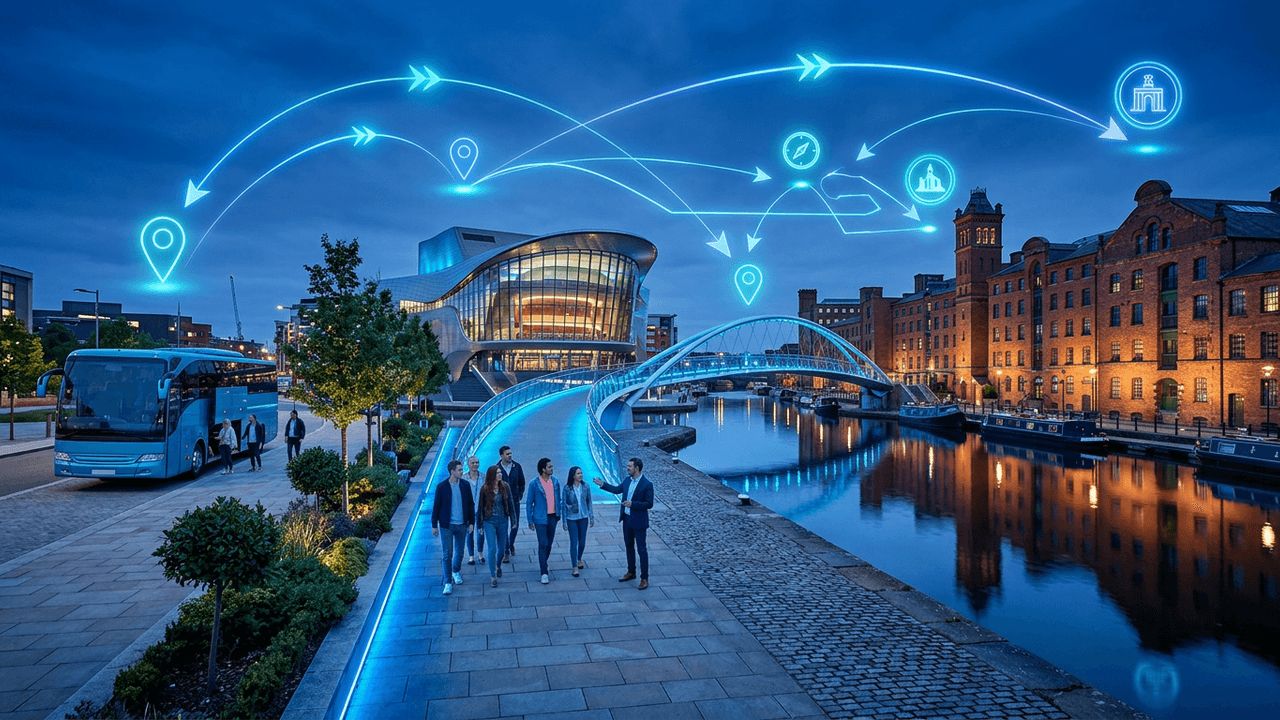
For a town of its size, Slough has a remarkable range of public transport options. It sits on the Great Western Main Line with fast services to London Paddington, benefits from Elizabeth line trains that run directly through central London, has a bus network reaching every residential neighbourhood and the surrounding towns, lies minutes from Heathrow Airport with multiple direct connections, and has an expanding network of cycling and walking routes.
That connectivity is not accidental. Slough's economy depends on the movement of people, with the trading estate drawing workers from across the region and a large resident population commuting into London and the wider Thames Valley. Public transport is therefore treated as economic infrastructure rather than merely a social service, which has supported sustained investment.
Ten Essential Public Transit Services
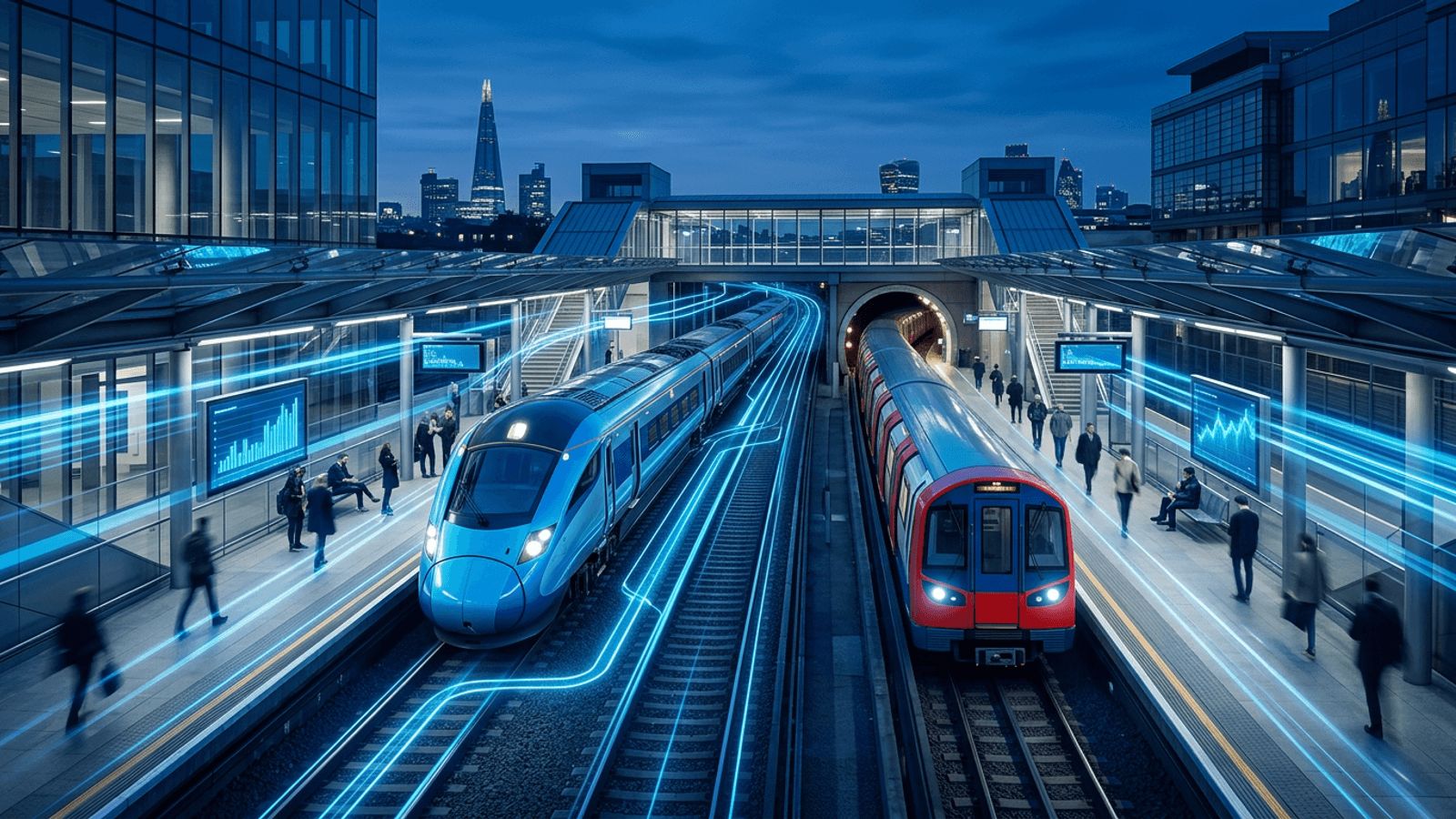
The Elizabeth line has been transformative. Services from Slough and Langley run directly across London to Bond Street, Tottenham Court Road, Farringdon, Liverpool Street, Canary Wharf and out to Abbey Wood and Shenfield. Removing the need to change at Paddington has cut typical door-to-door commuting times substantially. The trains themselves, with walk-through carriages, air conditioning, level boarding at most stations and real-time information, represent a step change in suburban rail quality.
Great Western Railway mainline services provide the fast link to London Paddington and westward connections to Reading, Oxford, Bristol, South Wales and the West Country. For journeys beyond the immediate region, GWR is the primary operator, and its intercity trains offer considerably faster journey times than stopping services.
The Windsor branch line runs the short shuttle between Slough and Windsor and Eton Central. It is heavily used by tourists visiting Windsor Castle, families heading to Legoland Windsor Resort and local commuters, and it makes Slough station the practical rail gateway to one of the country's most visited destinations.
Local bus services across the town connect the centre with Cippenham, Langley, Britwell, Chalvey, Manor Park, Wexham, Colnbrook and the surrounding neighbourhoods. Frequencies on the core corridors are good, and contactless payment with daily fare capping has removed much of the friction that once discouraged occasional users.
Cross-boundary bus routes link Slough to Heathrow, Windsor, Maidenhead, Uxbridge, Beaconsfield and the south Buckinghamshire villages. These services are essential for shift workers at the airport and for residents accessing services and employment beyond the borough boundary.
Slough bus station deserves mention as infrastructure in its own right. Its distinctive modern design, sheltered stands and position adjacent to the railway station create a genuine interchange where rail and bus journeys connect without a long walk, which materially improves multi-modal travel.
Heathrow airport connections combine bus, rail and coach options. Direct bus services run from Slough to the terminals, while Elizabeth line services provide a rail route via a change. For airport workers, the availability of services at unsocial hours is as important as speed, and night bus provision on the airport corridor is a significant asset.
National Express and long-distance coach services connect Slough and nearby Heathrow to destinations across the country. Heathrow Central Bus Station is one of the busiest coach interchanges in the United Kingdom, offering budget travel to Birmingham, Bristol, Manchester, the South West and beyond at fares well below equivalent rail tickets.
Community transport and dial-a-ride services provide door-to-door travel for residents who cannot easily use conventional public transport because of age, disability or the absence of a suitable route. These services, often operated by voluntary sector organisations with local authority support, are a vital part of the network for the people who depend on them.
Active travel infrastructure completes the picture. Cycling routes along the Grand Union Canal towpath, improved segregated lanes on key corridors and walking connections between residential areas and the station are increasingly treated as part of the transport network rather than as leisure facilities. For journeys under three miles, which describes a large proportion of trips within Slough, cycling is frequently the fastest option.
Making the Network Work for You
Ticketing knowledge produces the largest savings. Contactless payment with automatic capping applies across Elizabeth line travel into London and on most bus services, meaning passengers pay no more than the best available daily rate without needing to decide in advance. For mainline rail journeys beyond the capped zone, advance tickets bought ahead of travel can be dramatically cheaper, and railcards deliver reliable discounts for eligible travellers.
Season tickets remain worthwhile for consistent five-day commuters, but flexible season products designed for hybrid working patterns often suit those travelling two or three days a week better. Comparing the options against actual travel patterns over a month is worth the effort.
Journey planning has become straightforward with real-time applications showing live departures, disruption alerts and multi-modal routing. Checking before leaving home avoids most avoidable delays, particularly during weekend engineering work on the rail network.
Accessibility provision has improved considerably. Step-free access, tactile paving, audio-visual announcements and assistance booking are available across much of the network, and passengers requiring help can arrange it in advance or request it on arrival.
Where the Network Is Heading
Several developments will shape the coming years. Bus fleet electrification continues, improving air quality and reducing noise on residential routes. Rail timetable enhancements on the Elizabeth line continue to increase frequency and reliability. Investment in cycling and walking infrastructure is expanding, with new segregated routes and secure cycle parking at key destinations.
Integration is the broader theme. Better coordination between bus and train timetables, simpler multi-operator ticketing and clearer information at interchanges all make the network feel like a single system rather than a set of separate services. That perception matters, because the biggest barrier to public transport use is often not cost or coverage but the mental effort of planning a journey involving more than one operator.
Final Thoughts
Slough's public transport offer is stronger than its reputation suggests, and the Elizabeth line has changed the calculation for a great many residents. With contactless capping, real-time information and a bus network that reaches genuinely across the borough and beyond, travelling without a car in Slough is more practical now than at any point in the town's modern history. The services described above cover almost every journey a resident or visitor is likely to need, from a short hop across town to a direct train into the heart of the capital.
Want your brand featured in front of decision-makers? Publish a guest post or get a link insertion in our guides through AAMAX's guest post and link insertion service.
Helpful Links
 SponsoredAAMAX — Full-Service Digital Agency
Write for Us
Share your expertise with our readers. We welcome guest contributions from industry specialists.
Pitch your idea