
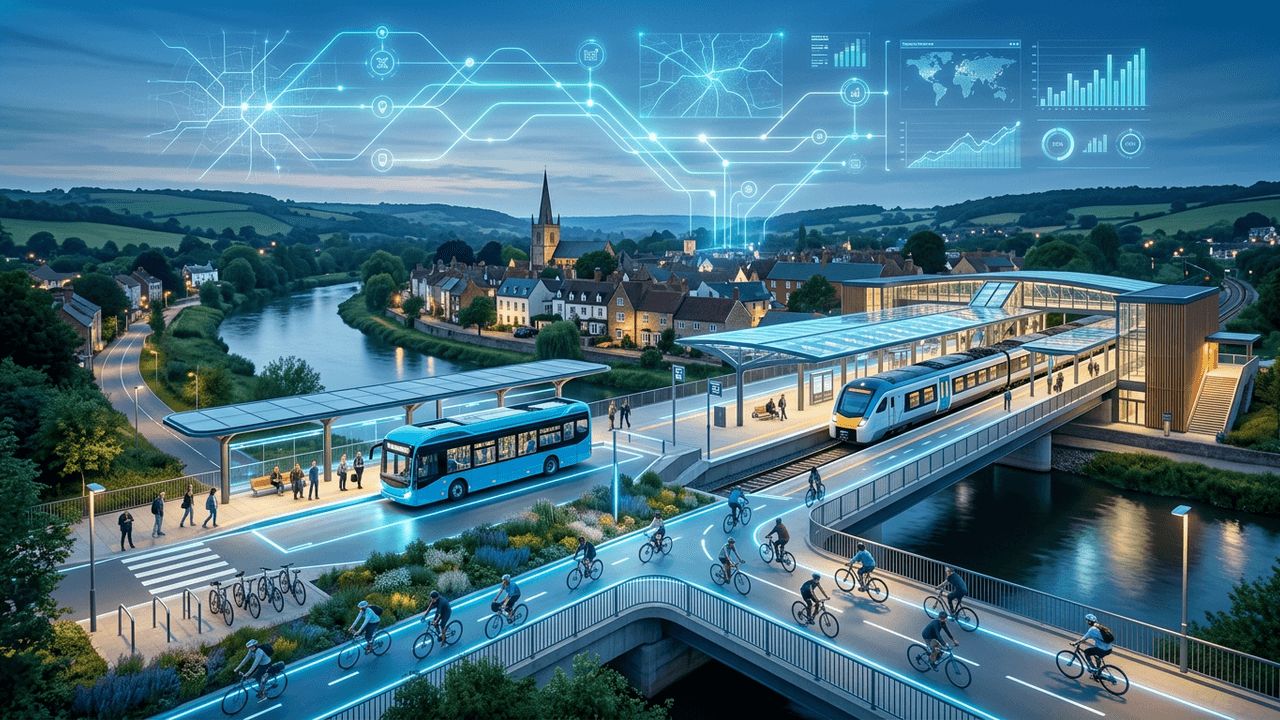
Public Transport in a Rural Region
North Devon covers a large area with a relatively small population, which makes public transport both essential and challenging. For residents without access to a car, including young people, older adults and those on lower incomes, public transit is a lifeline for reaching work, education, healthcare and shops. For visitors, it offers a relaxed and sustainable way to explore beaches, moorland and market towns while avoiding traffic and parking problems.
The region's network combines buses, the Tarka Line railway, coach links, community transport and even boat services. Together, these services connect Barnstaple, the main transport hub, with towns including Bideford, Ilfracombe, Braunton, South Molton and Great Torrington, as well as dozens of villages.
What Makes Public Transit Work Well
Good public transport is reliable, affordable, accessible and easy to understand. Integration between services, such as buses meeting trains, makes a huge difference in rural areas. Digital tools for live times and mobile tickets are increasingly important, as are accessible vehicles for passengers with mobility needs, pushchairs or luggage.
The Top 10 Public Transit Services in North Devon
1. Stagecoach South West Bus Network
Stagecoach South West runs the backbone of North Devon's bus network, with frequent routes linking Barnstaple with Ilfracombe, Bideford, Braunton and Exeter. Its app provides live tracking and mobile tickets, and contactless payment makes boarding simple.
2. Great Western Railway Tarka Line
The Tarka Line, operated by Great Western Railway, connects Barnstaple with Exeter St Davids. It offers onward connections to London, Bristol and beyond, and is one of the most scenic rural railways in England.
3. Filers Travel Local Services
Filers Travel operates local bus routes around Ilfracombe and the surrounding area. Its services connect smaller communities with larger towns, playing an important role in rural accessibility.
4. Turners and Rural Bus Operators
Turners and other independent operators run routes across mid and North Devon, including services to Chulmleigh, South Molton and rural villages. These routes are essential for communities far from main roads.
5. National Express Coaches
National Express provides long-distance coach services from Barnstaple and other towns to major UK cities and airports. Coaches are an affordable alternative to rail for longer journeys.
6. Community Transport Schemes
Community transport organisations across North Devon and Torridge provide dial-a-ride minibuses, volunteer car schemes and group transport. They offer door-to-door journeys for people who cannot easily use conventional buses.
7. Devon County Council Concessionary Travel
Devon County Council administers the concessionary bus pass scheme, giving eligible older and disabled residents free off-peak bus travel. The council also supports socially necessary routes that would not otherwise be commercially viable.
8. Traveline South West
Traveline South West is a journey-planning service that brings together timetables for buses, trains and coaches. It helps passengers plan multi-leg journeys across North Devon and the wider region.
9. MS Oldenburg to Lundy
For a truly unique public transport experience, MS Oldenburg sails from Bideford and Ilfracombe to Lundy Island during the season. Operated by the Landmark Trust, it is the island's main link to the mainland.
10. Appledore to Instow Ferry
During the warmer months, a small passenger ferry crosses the Torridge estuary between Appledore and Instow, depending on the tide. It is a charming shortcut that connects two popular villages and links with walking and cycling routes.
Trends in North Devon Public Transport
Public transport in North Devon is benefitting from national and local initiatives. Fare caps have made bus travel more affordable, encouraging new passengers. Devon's Bus Service Improvement Plan is funding better frequencies and improved infrastructure. Demand-responsive transport, where passengers book flexible minibus journeys through an app, is being explored for rural areas. Operators are also introducing lower-emission vehicles, and integrated ticketing across bus and rail is a long-term goal.
Tips for Using Public Transport
Plan ahead using journey planners and operator apps, as rural services may be infrequent. Check last departure times carefully, particularly in the evenings and on Sundays. Consider multi-day or weekly tickets if you are visiting for a holiday. When combining bus and rail, allow enough time for connections in Barnstaple. If you have mobility needs, contact operators in advance to confirm accessibility.
Car-Free Holidays in North Devon
A growing number of visitors are choosing car-free holidays in North Devon. Arriving by train at Barnstaple, they use buses to reach Woolacombe, Croyde or Ilfracombe, hire bikes to ride the Tarka Trail and walk sections of the South West Coast Path. Many holiday parks and accommodation providers now promote sustainable travel options to guests. This approach reduces congestion in busy villages and supports the goals of the North Devon UNESCO Biosphere Reserve.
Final Thoughts
North Devon's public transit network may be shaped by its rural geography, but it offers far more than many expect. Buses, trains, coaches, community transport and even ferries combine to connect people with the places that matter. With a little planning, residents and visitors alike can enjoy the region sustainably and affordably without relying on a car.
Want your brand featured in front of decision-makers? Publish a guest post or get a link insertion in our guides through AAMAX's guest post and link insertion service.
Helpful Links
 SponsoredAAMAX — Full-Service Digital Agency
Write for Us
Share your expertise with our readers. We welcome guest contributions from industry specialists.
Pitch your idea