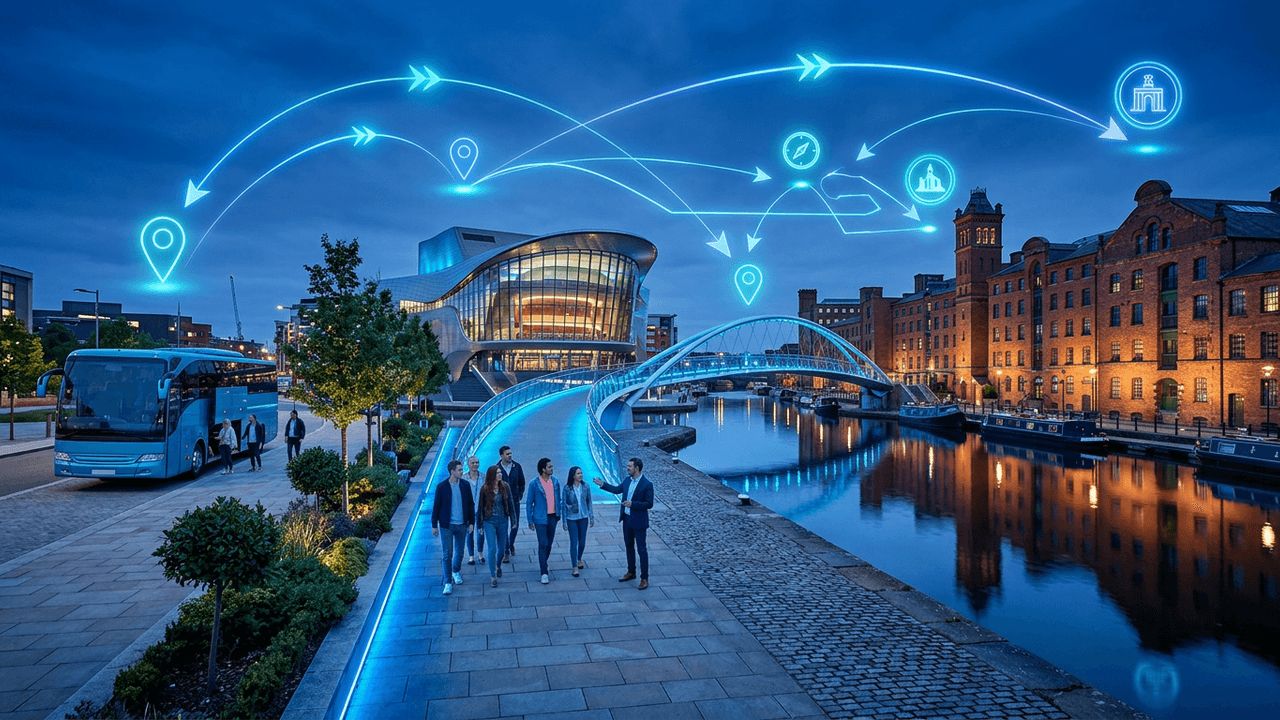
Getting Around a Large and Largely Rural Borough
The Borough of King's Lynn and West Norfolk covers a vast stretch of Norfolk, running from the Wash coastline and the Fens in the west through to market towns such as Downham Market, Hunstanton and Swaffham on its fringes. That geography creates a genuine transport challenge: a compact, walkable historic town centre surrounded by dozens of villages where a single missed connection can mean a two-hour wait. Public transit here is therefore not a luxury, it is essential infrastructure for commuters, students at the local college and university campus, hospital visitors and older residents who no longer drive.
Over the last few years the local transport picture has shifted noticeably. Contactless ticketing, mobile apps with live vehicle tracking, capped daily fares and government-supported fare initiatives have made bus travel considerably more attractive. At the same time, demand-responsive and community-run services have filled gaps that commercial timetables could never cover economically. The result is a layered network where knowing which service to use matters as much as knowing the timetable.
1. Lynx
Lynx is the most recognisable local bus operator in West Norfolk and has become something of a regional success story. Founded by transport professionals with deep knowledge of the area, the company built its reputation on reliability along corridors that larger operators had scaled back. Its coastal and market-town routes link King's Lynn with Hunstanton, Wells, Fakenham, Dersingham and the Sandringham area, while town services cover the Gaywood, North Lynn, South Wootton and Fairstead neighbourhoods. Passengers consistently praise the friendly driving teams, the clean and modern fleet, and clear communication when roadworks or seasonal events force diversions.
2. First Eastern Counties
First Eastern Counties operates a significant share of the wider Norfolk network and connects West Norfolk to the region beyond. Its strength is scale: integrated ticketing across a large area, a well-developed mobile app with live tracking and mTickets, and consistent investment in low-emission vehicles. For anyone travelling between West Norfolk and Norwich or onward into Suffolk, First provides the backbone service, and its multi-day and weekly passes are popular with commuters who want predictable travel costs.
3. Stagecoach East
Stagecoach East serves the western approaches into the Fens and Cambridgeshire, making it an important operator for residents of Downham Market, Wisbech and surrounding villages who work or study across the county boundary. The operator is known for its dependable inter-urban corridors, contactless tap-on payment, and student and young person discount schemes that make regular travel affordable for those in education.
4. Great Northern
Rail travel from King's Lynn Station is dominated by Great Northern, whose Fen Line services run south through Watlington, Downham Market, Littleport and Ely towards Cambridge and London. For commuters and day-trippers this is the single most important transport link in the borough. Investment in longer trains, more consistent peak capacity and improved passenger information has made the route considerably more comfortable, and the station's position at the edge of the historic town means onward walking or bus connections are straightforward.
5. Norfolk Connect
Norfolk Connect represents the modern face of rural transport: a demand-responsive service booked by app or telephone rather than fixed to a rigid timetable. Passengers request a journey between designated stops within a zone and a minibus routes itself dynamically. For villages that never justified a scheduled service, this model has been transformative, giving residents access to shops, appointments and onward bus and rail interchanges without depending on a car.
6. West Norfolk Community Transport
Community transport organisations in the borough provide accessible door-to-door travel for people who find conventional buses difficult to use. Operating wheelchair-accessible minibuses with trained volunteer and paid drivers, these services support hospital appointments, shopping trips, day centres and group outings. Their real differentiator is the human element: drivers who know their passengers, assist with bags and wait when someone needs a little longer.
7. Coastal Hopper Style Seasonal Services
Seasonal coastal services along the north Norfolk shoreline are a favourite with walkers, birdwatchers and holidaymakers. Linking beach villages, nature reserves and market towns during the busy months, they allow visitors to walk a stretch of the coast path in one direction and ride back. For local businesses in Hunstanton, Brancaster and Burnham Market these services reduce parking pressure and extend the visitor season.
8. Local Independent Bus and Coach Operators
Smaller independent operators are the quiet workhorses of the West Norfolk network. Firms of this kind typically run school contracts, market day services into King's Lynn and Swaffham, and private hire coaches for clubs and tours. Because they are locally owned they tend to be flexible, responsive to community requests, and willing to serve routes that would never appear on a national operator's map.
9. Licensed Taxi and Private Hire Networks
Borough-licensed hackney carriages and private hire firms form the essential last-mile layer, particularly in the evenings when bus frequencies drop. Ranks at the railway station, the bus station and the town centre serve arriving passengers, while telephone and app booking is standard. Many operators now run wheelchair-accessible vehicles and hold contracts for school and social care transport, making them part of the public transport system in practice if not in name.
10. Park and Ride and Active Travel Links
Rounding out the picture are the park-and-walk car parks, secure cycle parking and shared-path networks that connect residential areas to the town centre, the hospital and the college. Ongoing active travel investment along the riverside and around Gaywood has improved walking and cycling routes, and combining a short cycle with a bus or train journey is now a realistic daily option for many residents.
Choosing the Right Service for Your Journey
The practical advice for anyone new to the area is to match the service to the trip. Use the Fen Line rail service for longer north-south journeys, Lynx or First for town and coastal travel, Stagecoach for Cambridgeshire connections, demand-responsive minibuses for village access, and community transport where accessibility matters most. Check live tracking apps before travelling, buy day or weekly caps if you make more than two journeys, and allow generous interchange time on rural connections.
Where West Norfolk Transport Is Heading
The direction of travel is clear: cleaner vehicles, better integration between modes, simpler digital ticketing and more flexible rural provision. Zero-emission buses, improved interchange facilities and coordinated timetabling between rail and bus are all on the agenda for the region. For residents and visitors alike, that means a network that is steadily becoming easier to use, more affordable and better suited to the realities of life in a dispersed rural borough.
Want your brand featured in front of decision-makers? Publish a guest post or get a link insertion in our guides through AAMAX's guest post and link insertion service.
Helpful Links
 SponsoredAAMAX — Full-Service Digital Agency
Write for Us
Share your expertise with our readers. We welcome guest contributions from industry specialists.
Pitch your idea