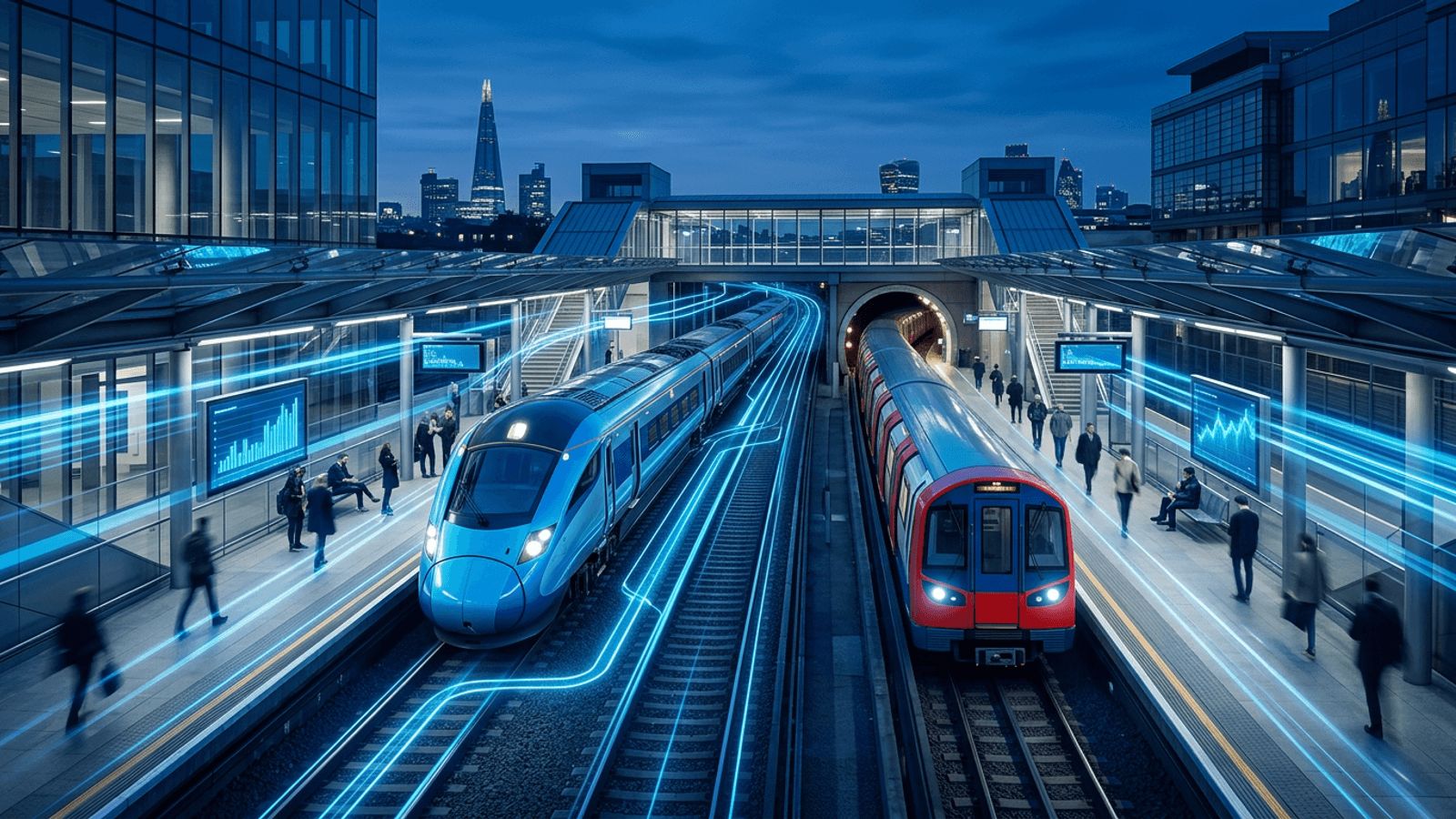
Getting Around Horsham Without a Car
Horsham is one of the more manageable towns in the south east for car-free living. The centre is compact and largely walkable, the railway station sits within easy reach of the main shopping streets, and the bus network radiates outwards to surrounding villages, Crawley, Gatwick, Guildford and the coast. For residents, students and visitors, the practical question is usually not whether public transport exists but how best to combine the different services available.
The district's geography does create genuine variation in service quality. Town routes and the main inter-urban corridors run frequently through the day, while some rural villages are served only a few times daily. Understanding that pattern is essential to planning journeys realistically, particularly for evening travel where options thin out noticeably.
How the Network Fits Together
Rail provides the fast spine, linking Horsham to London, Gatwick, Crawley, Brighton and the Arun Valley towns. Bus services handle local distribution, connecting neighbourhoods, retail parks, schools, the hospital and outlying villages with the town centre and the station. Community and demand-responsive transport fills the gaps for passengers who cannot easily use scheduled services, and taxis and private hire complete first and last-mile journeys, especially late at night.
Integration between these layers has improved. Bus stops are clustered close to the station, real-time information is available on mobile devices, and contactless payment is now standard on buses, removing the need for exact change that once deterred occasional users.
Top 10 Best Public Transit Services in Horsham
1. Southern Rail Services — The backbone of longer-distance travel from Horsham station, with frequent trains to London Victoria, services through the Arun Valley to the coast, and connections across Sussex. Its high frequency for a town of this size is the single biggest asset in the local transport mix.
2. Thameslink Cross-London Services — Extending journeys through central London rather than terminating, Thameslink is invaluable for commuters heading to London Bridge, Farringdon, St Pancras and destinations north, removing an interchange from many trips.
3. Metrobus — The principal bus operator in the area, running the busiest corridors between Horsham, Crawley, Gatwick Airport and surrounding communities. Frequent daytime service, contactless payment, live tracking and good station interchange make it the workhorse of local bus travel.
4. Compass Travel — A Sussex operator covering a number of town and rural routes around Horsham, including services that connect villages to the town centre for shopping, appointments and school journeys. Its rural coverage is essential to residents outside the main corridors.
5. Stagecoach South — Providing inter-urban links towards the coast and neighbouring districts, Stagecoach South extends the practical reach of Horsham's network for longer bus journeys and offers useful day and week ticket products.
6. Gatwick Airport Bus Links — The combined rail and bus connections to Gatwick give Horsham residents an unusually straightforward airport journey. Early-morning and late-evening options make flying without a car or airport parking entirely practical.
7. Horsham District Community Transport — A community-based service supporting residents who find conventional buses difficult to use, including door-to-door journeys, group hire for clubs and voluntary organisations, and trips to medical appointments. It is a lifeline for less mobile residents in rural areas.
8. Horsham Town Shopper Services — Local circular routes designed around access to shops, markets, the hospital and community facilities. Timings are built around practical needs rather than commuting, which makes them particularly valuable to older residents and families.
9. School and College Transport Services — Dedicated contract services serving the district's secondary schools and further education provision. These routes carry substantial daily volumes and relieve pressure on both the road network and general bus capacity at peak times.
10. Horsham Taxi and Private Hire Network — Licensed taxi and private hire operators provide the flexible layer that makes the rest of the network usable, covering late-night journeys, rural addresses and trips with luggage or mobility needs. Station ranks and app-based booking have both improved reliability.
Tickets, Fares and Saving Money
Fares are simpler than they once were. On buses, contactless tap-on payment with daily capping means occasional users rarely need to calculate the cheapest option in advance. Multi-journey and weekly products still offer savings for regular travellers, and young person, student and older person concessions can reduce costs substantially.
On rail, the shift towards flexible ticketing suits hybrid working patterns better than traditional season tickets. Carnet-style products, digital tickets stored on a phone and advance fares for longer journeys all help. Railcards remain among the best value available for eligible passengers, typically paying for themselves within a handful of trips.
Trends and Improvements
Three developments stand out. First, real-time information has transformed confidence in bus travel; knowing a service is four minutes away changes behaviour more than any timetable leaflet. Second, fleet renewal has brought lower-emission and electric buses onto local routes, improving air quality and passenger comfort. Third, active travel integration — better cycle parking at the station, improved footways and clearer wayfinding — has made combined walk-and-ride or cycle-and-ride journeys much more attractive.
Demand-responsive transport is also being explored more widely as a way to serve dispersed rural populations affordably, using booking apps rather than fixed timetables. For a district like Horsham, with many small settlements, this model has considerable potential.
Practical Advice for Local Journeys
Plan around the station as your hub, since most services converge there. Check last departures before evening trips, particularly for rural routes where the final bus can be surprisingly early. Allow a buffer when connecting between bus and train rather than relying on a tight interchange.
For visitors, a combination of rail into Horsham and walking within the centre covers most needs, as the Carfax, the Causeway, Piries Place and the market area are all within a few minutes on foot. For residents in outlying villages, mixing scheduled buses with community transport and occasional taxi use often proves cheaper overall than running a second household car.
Want your brand featured in front of decision-makers? Publish a guest post or get a link insertion in our guides through AAMAX's guest post and link insertion service.
Helpful Links
 SponsoredAAMAX — Full-Service Digital Agency
Write for Us
Share your expertise with our readers. We welcome guest contributions from industry specialists.
Pitch your idea